
3 Signs Your Cape Coral Patio Door Needs Track Service
A sliding patio door should move smoothly and sit squarely in its frame. If it grinds, shifts, or takes extra force to open, the track or related hardware may need attention. Patio door track repair starts with identifying what's causing the change, since dirt, worn rollers, corrosion, or a glass-panel problem can produce similar symptoms.
In Cape Coral, salt air and moisture can affect exposed door hardware over time. Notice what the door does, avoid forcing it, and look for the signs below before a small operating problem becomes a safety or security concern.
Sign 1: The door grinds, scrapes, or catches
A sliding panel should travel across its track without repeated scraping or sudden resistance. If you hear grinding, feel the door catch at the same point, or need to push harder than usual, debris or damage in the track may be interfering with movement. Worn or misaligned rollers can cause similar trouble.
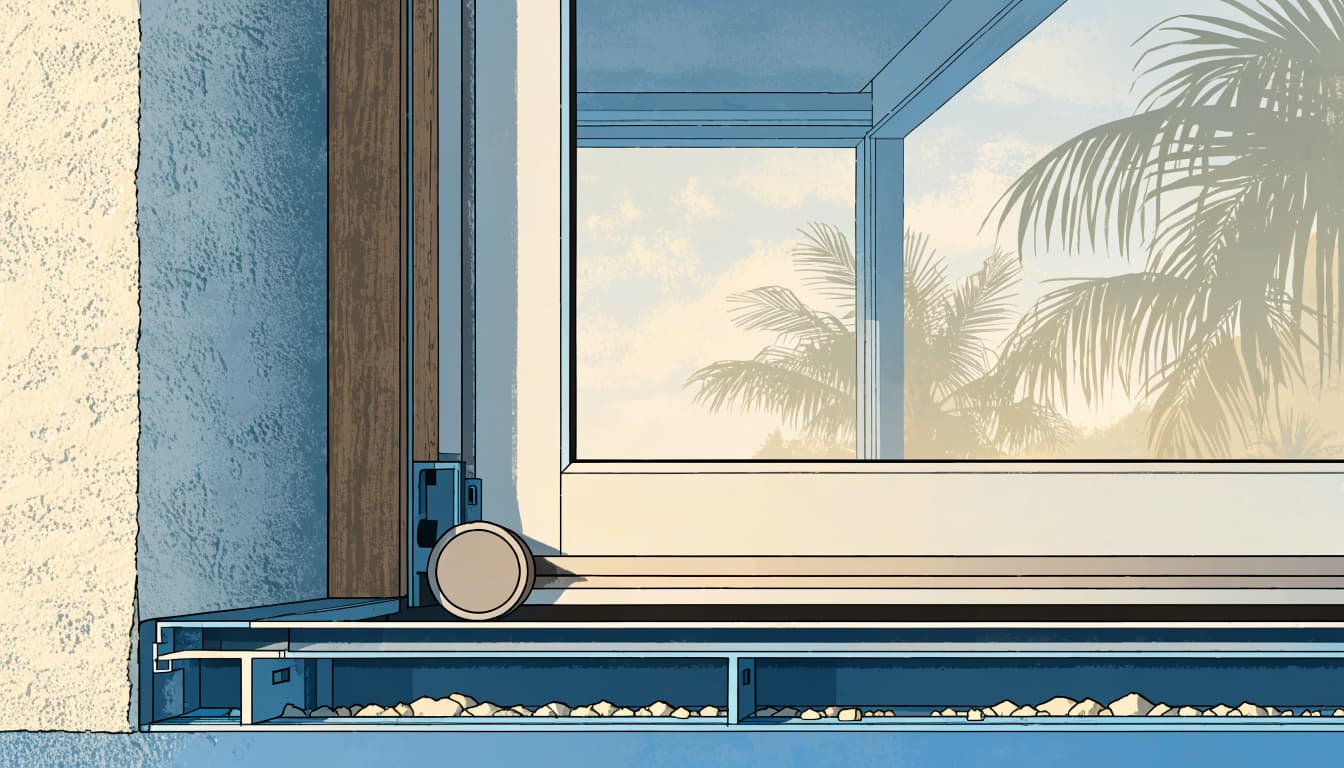
First, look along the exposed track for sand, leaves, or other visible debris. You can remove loose material gently with a soft brush or vacuum attachment. Avoid scraping the channel with a metal tool, applying heavy oil, or forcing the door past a sticking point. Those steps can damage finishes or make a hardware issue harder to diagnose.
If cleaning the visible area doesn't change how the panel moves, the cause may be below the panel or inside the roller assembly. A technician can assess whether the track, rollers, or another part needs attention.
Sign 2: The panel looks uneven or leaves a gap
Check the moving panel while it's closed. If it appears tilted, sits unevenly along the bottom, or leaves a gap at one edge, the door may be out of alignment. Worn rollers, track damage, or a frame problem can affect how the panel sits.
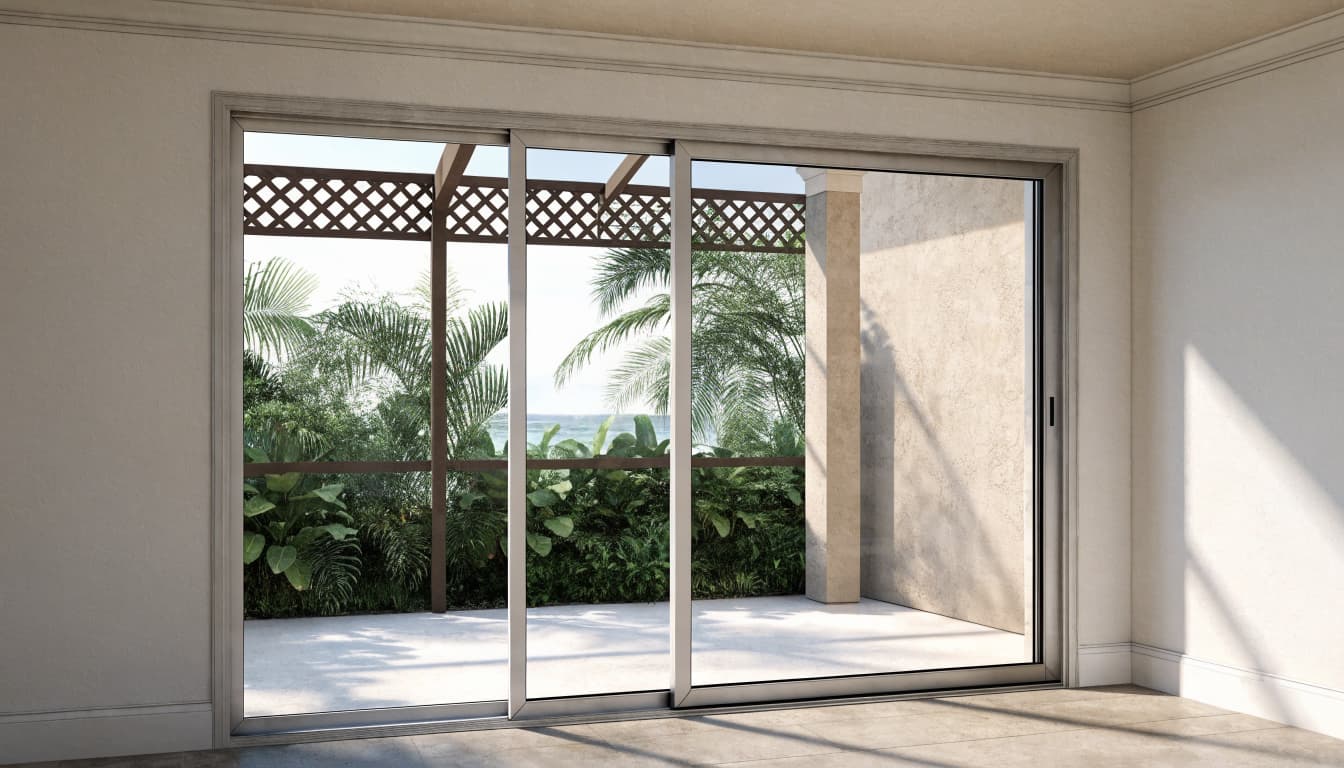
An uneven panel can also make the lock harder to engage or leave weatherstripping unable to meet the frame properly. Don't try to lift a heavy glass panel or adjust its rollers without the right equipment and experience. Patio door glass is heavy, and an unstable panel can create a risk of injury or breakage.
Look for a visible gap, a panel that doesn't line up with the frame, or a lock that no longer meets its strike. These details help distinguish a simple cleaning issue from a problem that needs a closer assessment.
Sign 3: The door's movement feels inconsistent
A door that slides easily in one part of the track but sticks elsewhere deserves attention. Resistance that changes as the panel moves may point to a damaged or obstructed section of track, roller wear, or misalignment. A sudden change after a storm or heavy wind may also be a reason to inspect the frame and surrounding area.
Notice whether the panel slows at one point, bounces slightly, or needs a lift to close. Also pay attention to whether the door still locks without extra force. These observations can help explain the problem, but they don't confirm its cause.
Avoid repeatedly opening and slamming a door that catches. Extra force can stress the rollers and handle, and it won't correct a track or alignment issue. If the problem keeps returning after you clear visible debris, have the door assessed.
Why Cape Coral conditions can affect a patio door
Outdoor door hardware in Southwest Florida is exposed to moisture, dust, and airborne salt. Salt can contribute to corrosion on metal tracks, fasteners, and rollers. Pooled water, worn seals, or pitting on aluminum can also signal that the door's lower frame needs a closer look.
Cape Coral shares some coastal maintenance concerns with Fort Myers, Bonita Springs, Estero, Naples, and Punta Gorda. Lehigh Acres is farther inland, but humidity and regular door use can still affect hardware. The exact condition depends on the opening, its exposure, and how well water drains from the frame.
Keep the track clear of loose material and rinse exterior surfaces gently when needed. Persistent standing water or corrosion deserves more than routine cleaning, especially if the panel has become difficult to operate.
What you can check safely before arranging service
A brief visual check can help you describe the issue. Keep your hands away from the roller mechanism and don't remove the door panel.
Look at the track and frame
With the panel closed, inspect the visible length of the lower track. Note any sand, leaves, standing water, dents, or corrosion. Check the frame edges for loose weatherstripping or an obvious gap. A gentle rinse may remove surface residue, but don't direct high-pressure water into the frame.
Observe how the door moves
Open and close the panel slowly, without forcing it. Notice where it catches, whether the resistance changes, and whether the panel sits evenly when closed. Check whether the handle and lock work normally. If the glass looks cracked, shifted, or unstable, stop operating the door and arrange a professional assessment.
When a professional inspection may help
An inspection is useful when cleaning doesn't restore smooth movement, the panel sits unevenly, or the lock no longer lines up. It can also help when you see corrosion, repeated water pooling, damaged weatherstripping, or a problem that returns shortly after the track is cleared.
Describe the symptom, not just the suspected part
Tell the technician whether the door grinds, catches in one spot, feels heavy throughout its travel, or fails to close squarely. Mention any visible gap, standing water, or corrosion as well. A photo can show the general condition, but it can't reveal the roller assembly or hidden frame damage.
Stop using a door that seems unsafe
If the glass is cracked, the panel feels loose, or it could come out of alignment, don't keep testing it. Keep children and pets away from the opening until a qualified professional can assess it. A heavy glass panel can cause serious injury if it shifts or breaks.
Track problems and glass damage need different solutions
A patio door can have a glass issue, a track issue, or both. A cracked or damaged panel calls for glass repair or replacement; trouble with the rollers or track may require a different type of service. Replacing a glass panel alone won't correct worn rollers or a frame that's out of alignment.
At Caloosahatchee Glass & Mirror, our listed services include sliding patio door glass repair for residential and commercial properties in Southwest Florida. If the glass is damaged, the right replacement depends on the panel and the condition of the rest of the door. In some cases, sliding glass door panel replacement may be an option when one panel is affected.
Describe the operating problem clearly when you request an assessment. That helps distinguish glass work from a track or hardware concern without assuming they're the same repair.
Key Takeaways
- Grinding, uneven gaps, and inconsistent movement are signs a patio door may need attention.
- Sand and visible debris can be cleared gently, but don't force the panel or adjust heavy glass hardware yourself.
- Salt exposure, pooled water, and corrosion can affect door components in Southwest Florida.
- A glass problem and a track problem may require different service.
Frequently Asked Questions
Can I clean a patio door track myself?
You can remove loose, visible debris with a soft brush or vacuum attachment. Avoid sharp tools, heavy lubricants, and force. If the door still catches after cleaning, the cause may involve rollers or alignment.
Does a door that sticks always need track repair?
No. Debris, worn rollers, a misaligned panel, or frame damage can all affect movement. The symptom points to a problem, but an inspection may be needed to identify the cause.
Should I keep using a sliding door that won't lock?
If the panel won't close or lock normally, avoid relying on it as a secure entry. Don't force the lock or lift the glass panel. Arrange a professional assessment, especially if the door is loose or the glass is damaged.
Keep your patio door safe and easy to use
A door that starts grinding, shifting, or sticking is giving you a useful warning. Clear loose debris carefully, note what changes as the panel moves, and stop using it if the glass feels unstable.
When the problem persists, an assessment can help separate track and hardware concerns from glass damage. For glass repair questions, you can contact Caloosahatchee Glass & Mirror.