
Can Scratched Window Glass Be Repaired? A Naples Guide
A scratch can spoil a clear view, but it doesn't automatically mean you need a new window. Scratched window glass repair may be possible when the damage is shallow and limited, while a deep gouge, widespread abrasion, or nearby crack may call for replacement.
For Naples homeowners, the right decision depends on the mark's depth, location, and size, along with the type of glass. A careful visual check can help you describe the damage, but polishing is not a safe fit for every pane. Start by identifying what you're seeing and what the glass needs.
Key Takeaways
- A shallow surface mark may be suitable for professional polishing, but results depend on the glass and scratch.
- Deep, wide, clustered, or edge-area damage deserves professional assessment.
- DIY polishing can cause visible distortion or harm a glass coating.
- Cracks, chips, loose glass, or moisture between panes are different problems from a simple scratch.
- If replacement is needed, the frame may not need to come out.
When scratched window glass repair may work
A light scratch on an exposed glass surface may sometimes be reduced through professional polishing. The process removes a small amount of glass, so the repair must match the pane's condition and the scratch's position. Even when polishing is possible, it may not make the mark disappear completely.
Surface marks versus deep gouges
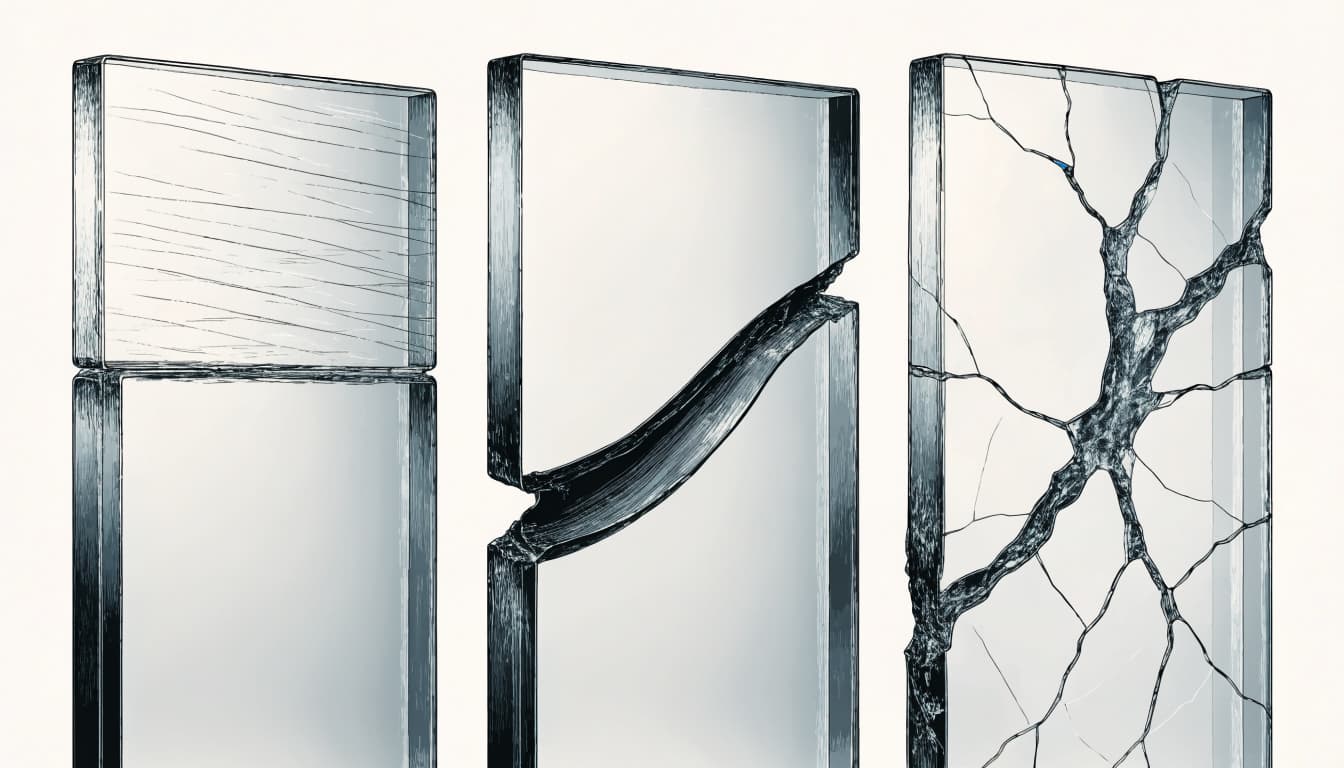
A faint, narrow line that's visible only at certain angles is different from a groove you can clearly see across the pane. Deeper damage may be difficult to polish without changing the surrounding surface. If too much material is removed in one area, the glass can develop a distorted appearance.
Also, a scratch can be mistaken for residue, mineral deposits, or a mark on a protective coating. The appearance alone doesn't confirm the cause or the best repair.
Scratches aren't the same as cracks
A scratch is a surface mark. A crack extends through the glass and may spread, while a chip can leave a sharp or weakened area. Keep people away from a pane with a crack, loose pieces, or suspected impact damage, and arrange a professional assessment.
How to assess a window scratch safely
You can gather useful information without scraping, pressing, or trying to polish the glass. Choose a time when daylight falls across the pane at an angle, since side lighting often makes surface marks easier to see.
Look from different angles
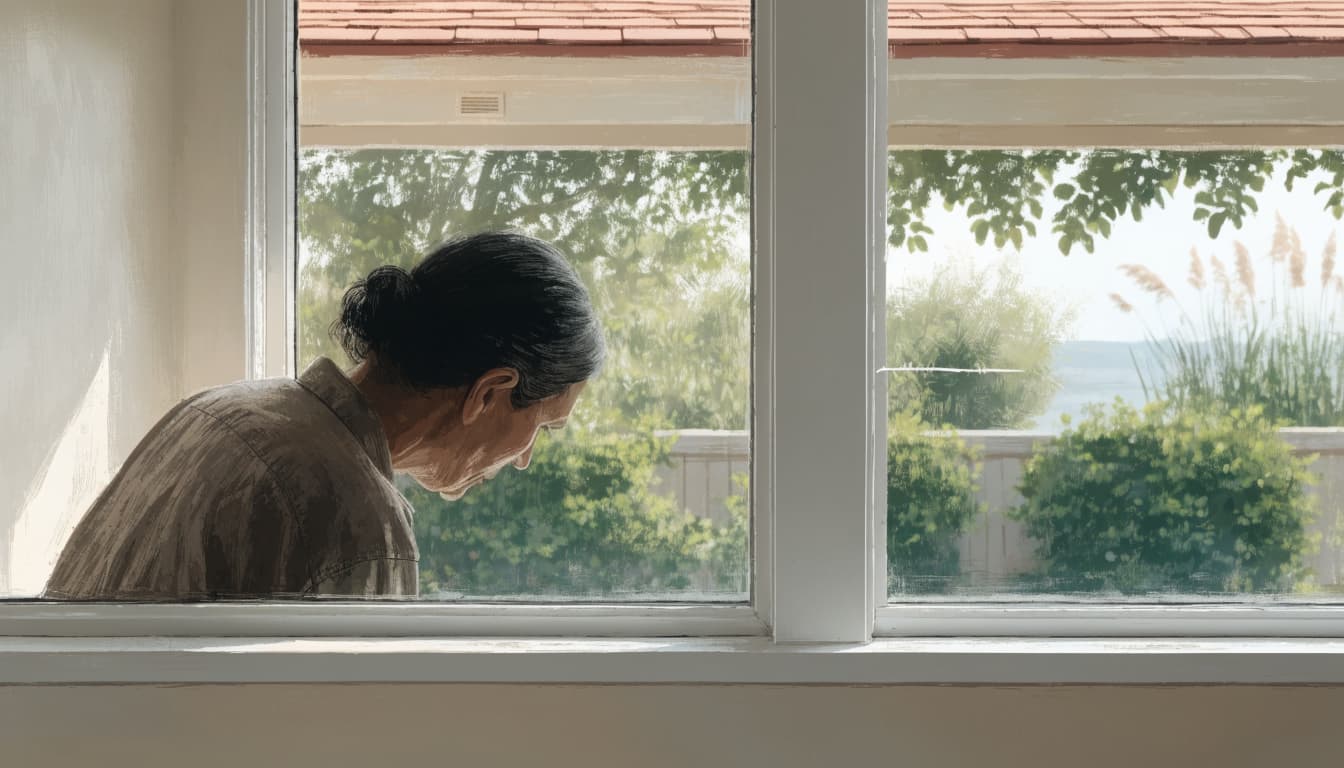
Stand inside and outside the window, if you can do so safely, and note whether the line changes with the viewing angle. A mark that shifts or disappears may be on the surface; a persistent line could be deeper or on another glass surface. Don't climb, lean out, or reach across a hazardous area to inspect an exterior pane.
If the glass is safe to clean and easy to reach, remove ordinary surface dirt with a soft cloth and a nonabrasive cleaning approach. Avoid dry rubbing, hard tools, or pressure on the damaged area.
Record the location and appearance
Note whether the mark is near the center, along an edge, or close to a corner. Record its approximate length and whether there are other marks, chips, or cracks nearby. A few clear photos taken from different angles can help explain what you see when requesting an assessment.
Pay attention to other symptoms, too. A loose pane, water around the frame, or fog between panes may point to a glass or window problem beyond a surface scratch.
How depth, location, and extent affect the decision
There's no single measurement that determines whether a pane can be polished. A glass professional considers the mark's depth and position, how much of the pane it affects, and the glass construction.
Deep or widespread damage
A shallow mark across a small area may be a candidate for polishing. By contrast, a deep groove or many scratches across a large viewing area can make a cosmetic repair less practical. Polishing a broader area may remove more glass and create an uneven reflection, so replacement can be the better way to restore a clear view.
A large scratch isn't automatically a safety failure. Still, the more extensive the damage, the more important it is to have the pane assessed rather than trying a home remedy.
Edges, corners, and coated glass
Damage close to an edge or corner deserves extra attention because the frame can hide chips or other marks. Don't pry out glazing beads or press the pane to investigate. A professional can inspect the area without relying on a homeowner's guess.
Glass type matters as well. Insulated windows have multiple surfaces, and coatings may sit on a surface that isn't exposed to the room. Abrasion in the wrong place can damage a coating or alter the glass's appearance. If you don't know which surface is marked, avoid abrasive treatment.
When DIY polishing may be unsuitable
Home polishing can seem like a simple fix, but it's easy to trade one visible mark for a larger cloudy or wavy area. Polishing removes material from the glass. If the method, pressure, or work area is wrong, the result may be more noticeable than the original scratch.
Skip abrasive methods and improvised tools
Avoid household abrasives, scouring pads, blades, and powered tools. They can add scratches, damage a coating, or create an uneven reflection. Don't press hard on the pane or try to test a scratch by dragging a tool across it.
Even a product marketed for glass may not suit every window type or surface. Tempered, coated, and insulated glass can have different requirements. When the pane's construction is unclear, stop before treating it.
Call a professional when the pane is hard to reach
Upper-story windows, large panes, and glass beside stairs or doors pose access and injury risks. A scratch near a crack, chip, frame, or glazing bead also needs more than a cosmetic judgment. Professional input is a sensible choice when the glass is difficult to access or you can't tell whether the mark is on the exposed surface.
If the glass needs replacement, the frame may stay
A scratch that can't be repaired doesn't always require a complete window replacement. When the frame and sash remain sound, replacing the glass alone may be an option. The right approach depends on the opening, the glass type, and the condition of the surrounding assembly.
Single-pane and insulated windows
For a single-pane window, glass replacement involves removing the damaged pane and fitting a correctly sized replacement. With double- or triple-pane windows, the panes form a sealed insulated glass unit. The usual approach is to replace that unit rather than attempt to change one layer with household tools.
The replacement must suit the opening and existing window system. Accurate assessment helps determine whether the problem is limited to the glass or involves the frame as well. Read more about replacing window glass without replacing the frame.
When the whole assembly needs attention
A damaged or unstable frame, water entering around the opening, or a window that no longer operates properly can point to a broader issue. In those cases, replacing only the glass may not address the underlying problem.
Caloosahatchee Glass & Mirror provides residential services that include window glass replacement and insulated glass replacement. You can also review our residential glass repair and replacement options. Cracked glass follows a different path from surface polishing; learn more about when cracked window glass needs replacement.
When to contact a glass professional in Naples
Arrange an assessment if the scratch is deep, broad, near an edge, or paired with a chip or crack. Also get help if you see moisture between panes, a loose pane, or damage you can't inspect safely. Those signs may call for replacement or a closer look at the window, rather than an attempt to polish the surface.
What to share when requesting an assessment
Describe the window location, the mark's approximate size, and whether it appears on the interior or exterior face. Mention any cracks, chips, fogging, water entry, or trouble opening and closing the window. Photos can help explain the issue, though an in-person inspection may be needed to identify the glass and frame condition.
We serve homeowners in Naples and throughout Southwest Florida. Our service area also includes Fort Myers, Cape Coral, Bonita Springs, Estero, Lehigh Acres, and Punta Gorda. A free estimate can help clarify whether the next step is a glass repair assessment or replacement.
Frequently asked questions
Can a scratch be polished out of any window?
No. A shallow surface scratch may be suitable for professional polishing, but the glass type, coating, depth, and location affect the result. A qualified assessment can help determine whether polishing is appropriate or replacement makes more sense.
Does a scratch mean the window is unsafe?
Not necessarily. A surface scratch is different from a crack or chip, and its presence alone doesn't establish that the glass has lost strength. If you see spreading lines, loose pieces, or impact damage, keep clear and contact a glass professional.
Make the decision based on the whole pane
A scratch doesn't automatically mean replacement, and polishing isn't right for every mark. Consider its depth, position, and extent, then account for the glass type and the condition of the frame. In Naples, a professional assessment can help you choose a repair or replacement that restores the view without creating a larger problem.