
Casement Window Glass Replacement for Older Florida Homes
A fogged casement window can make a room look worn out even when the surrounding frame still has years of use left. If you own an older home, the condition of the sash matters as much as the damaged pane.
Casement window glass replacement may let you keep the window's original look, but the sash and frame must support the new glass. Start by separating a glass problem from a window problem.
How an older casement window affects your options
Casement windows swing outward on side hinges. The glass sits in the moving sash, which closes against a stationary frame. In an older Fort Myers or Estero home, paint, repairs, and years of exposure can hide problems in any of those parts.
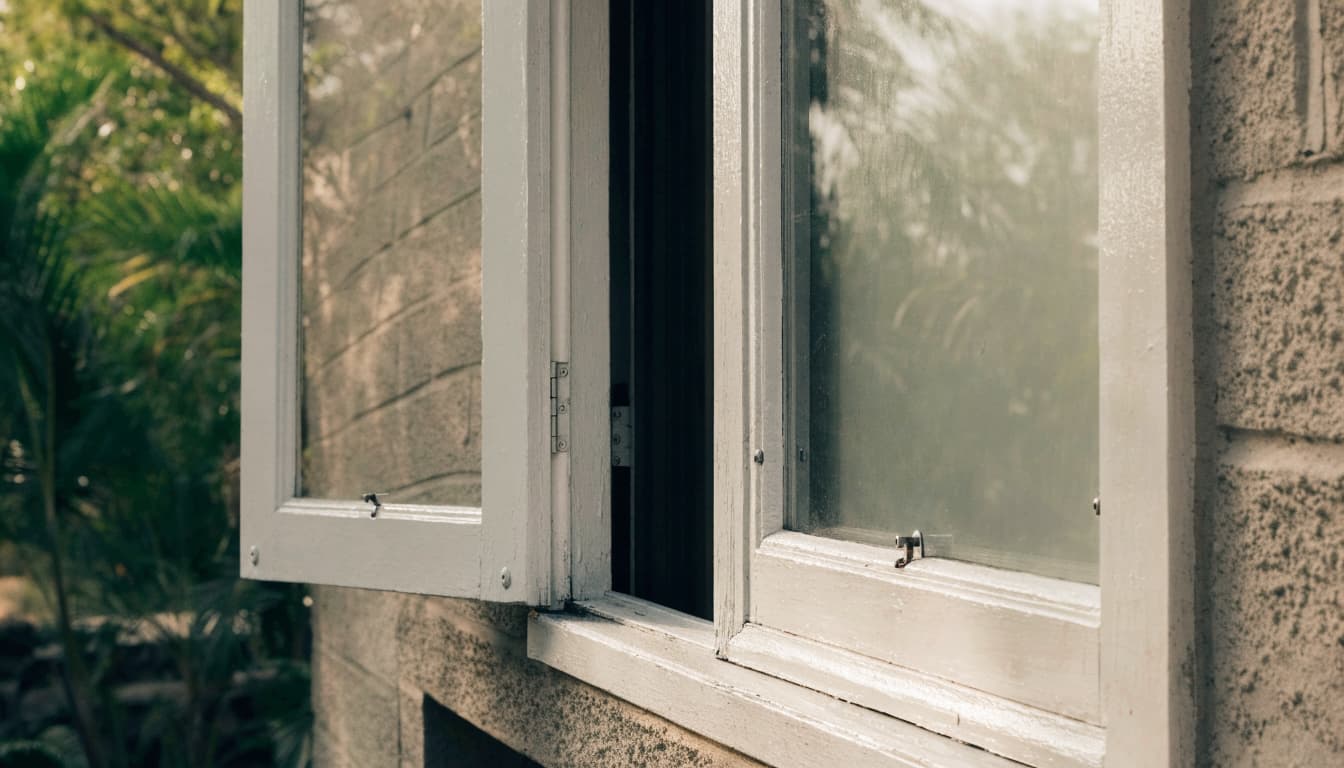
Check how the sash holds the glass
Some older sashes hold a single pane with glazing compound or removable stops. Others contain a sealed insulated glass unit, often called an IGU. Before ordering either type, an installer needs to identify how the glass is retained and whether its surrounding materials can be removed and restored.
Visible glass size isn't the ordering size. The sash's glazing pocket, existing glass thickness, and available edge space all affect what can fit. An older, narrow sash may have fewer options than a newer one, even when their openings look alike.
Test the window before blaming the pane
Open and close the window if it's safe to do so. Notice sticking hinges, a loose crank, gaps at the closed sash, or water stains below the sill. Check wood for soft spots and metal for corrosion, especially around corners and fasteners.
These observations won't replace an inspection, but they help describe the problem. A clear new pane won't stop a leak that enters around the frame. Likewise, replacing glass won't make a warped sash close properly.
When glass-only casement window glass replacement makes sense
A focused repair is worth discussing when damage is limited to the glazing and the window still operates well. That might mean a cracked single pane or an insulated unit that has turned cloudy between its panes. Caloosahatchee Glass & Mirror lists both window glass replacement and fogged insulated glass among its residential glass repair and replacement services.
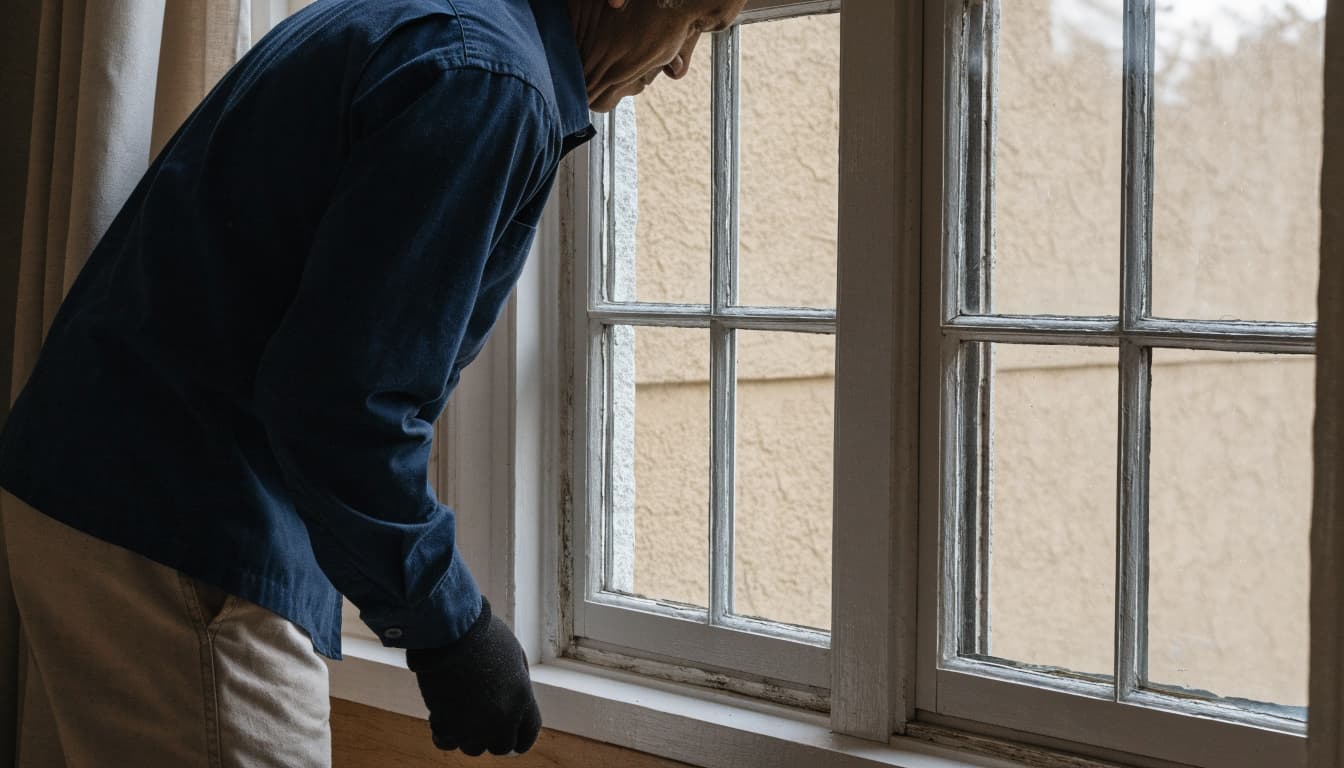
A cracked single pane
If the sash is sound, a professional may be able to remove the damaged pane and fit new glass while retaining the existing window. The replacement still has to suit the opening and its location. Glass near a door or in another potentially hazardous spot needs particular care when selecting a replacement.
Keep people away from loose shards and avoid operating a window with unstable glass. Describe any unusual texture or waviness in adjacent panes, too. Matching the appearance of older glass can matter as much as restoring a clear view.
Fog between insulated panes
Moisture trapped between two panes usually points to a failed IGU seal. Wiping the room-side and outdoor surfaces won't clear it. If the sash can accept a compatible unit, replacing the complete IGU may preserve the frame and restore the view.
The installer still needs to assess the sash, its drainage details, and the new unit's dimensions and thickness. A fogged pane beside swollen wood or separated sash corners calls for more than a glass order.
Compare the glass options without assuming they fit
Older casements may contain single-pane glass, insulated glass, or another glazing configuration. Each possible upgrade starts with the same question: can this particular sash hold it securely and continue to open, close, and drain as intended?
Single-pane and insulated glass
A single pane is relatively straightforward to replace in a sash designed for it. It can also help preserve slim framing and the appearance of neighboring windows. However, a single sheet offers less resistance to outdoor heat than a suitable insulated unit.
An IGU uses panes separated by a sealed space. Some configurations include a low-emissivity coating to help control radiant heat. That doesn't mean an IGU will fit a sash built for one thin pane. Added thickness can interfere with glass stops, hardware clearance, or the sash's ability to close.
If reducing heat through a sunny Cape Coral window is a priority, explain that goal during the local window replacement assessment. The available choices depend on the existing assembly, not only the view through the glass.
Tempered, laminated, and impact-rated choices
Tempered glass breaks into smaller pieces than ordinary annealed glass. Laminated glass has an interlayer that helps hold broken pieces together. Those properties address different concerns, and neither description alone establishes that a repaired window has an impact-rated assembly.
For storm protection, ask about the approval of the complete window system , including its sash, frame, hardware, glass, and installation. An older casement cannot gain a verified impact rating simply because a different pane is installed. If a complete impact-rated window is your goal, the existing assembly may need a broader replacement evaluation.
Decide whether to repair the glass, sash, or entire window
The least disruptive choice depends on which parts remain serviceable. An installer can inspect the window and explain what each scope of work would leave in place.
| Option | When to discuss it | What stays | Main limitation |
|---|---|---|---|
| Glass-only replacement | Damage appears limited to a pane or IGU | Sound sash and frame | Won't correct sash or frame defects |
| Sash replacement or rebuilding | The outer frame is stable, but the moving sash is damaged | Existing outer frame, where feasible | A compatible sash or repair approach is needed |
| Full-window replacement | The frame is deteriorated, leaks recur, or a different assembly is needed | Usually the surrounding wall opening | More work around trim and exterior finishes |
A sash repair can be a useful middle path in an older Lehigh Acres house with a sound outer frame. It may improve operation while retaining more of the original opening. Availability depends on the window's construction and condition.
Full replacement deserves consideration when wood is rotted, metal is badly corroded, or the frame no longer supports a tight closure. It also provides a clearer path to evaluating a complete impact-rated assembly. Because the scope extends beyond the pane, ask how the installer will assess surrounding trim, the opening, and signs of water intrusion before work begins.
Account for Southwest Florida's wind and moisture
A window that looks sound indoors may tell a different story outside. Salt air, humidity, and wind-driven rain can affect fasteners, seals, and the area where the frame meets the wall. In coastal Bonita Springs or Punta Gorda, it's useful to mention recurring leaks or stiff hardware even if the glass is your immediate concern.
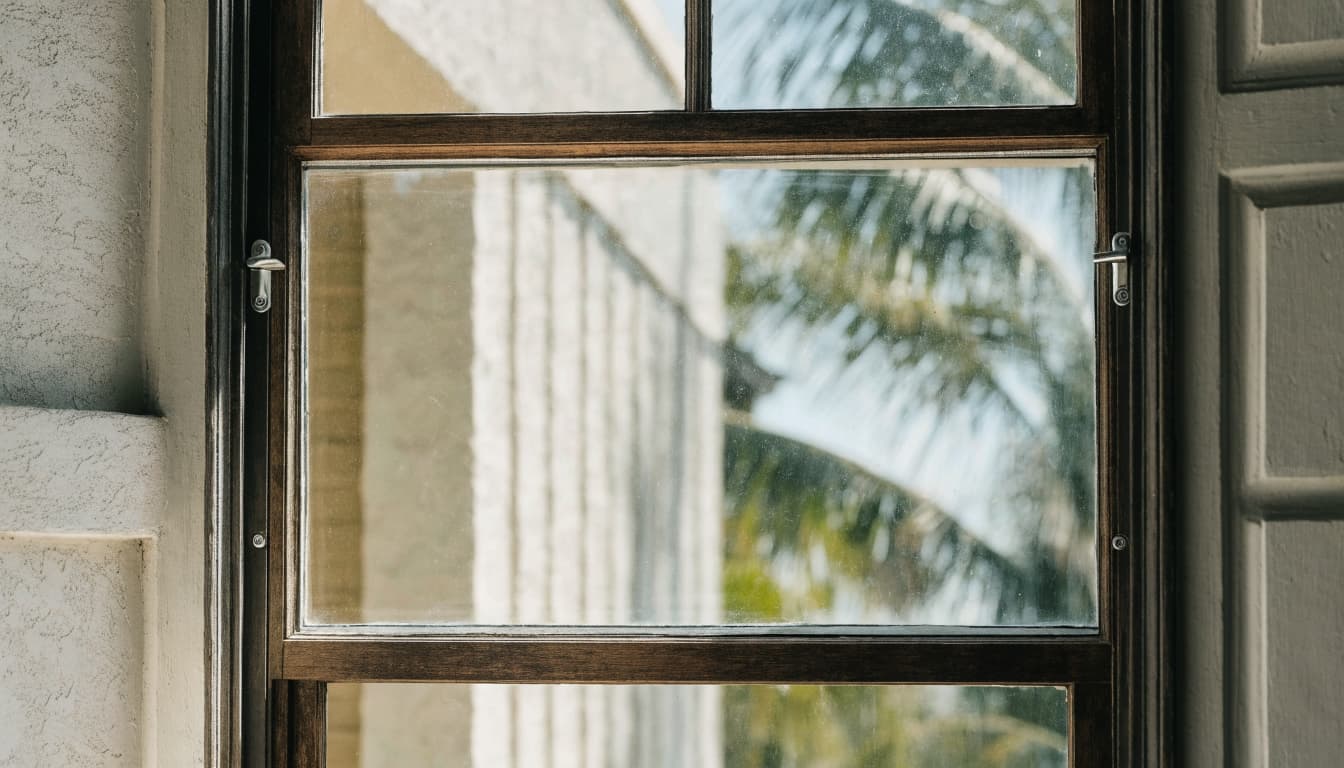
Follow the path of water
Water between the panes of an IGU points toward its sealed unit. Stains below the interior sill, damp trim after rain, or water at the wall opening may indicate another path. Treating all three as a glass problem risks leaving the source untouched.
Ask the installer to inspect the exterior as well as the room side. The glazing seal, sash closure, frame joints, and surrounding opening each play a different part in keeping water out.
Keep operation and protection separate
A casement in a bedroom or another important opening must remain usable after any repair. Added glass thickness or altered stops shouldn't obstruct the crank, hinges, or latch. Tell the installer if the sash already takes force to open.
Similarly, discuss storm goals directly rather than assuming a thicker-looking pane offers the protection you want. The assessment should distinguish a glass repair from a proposed change to the whole window assembly.
Preserve the character of an older home
Older windows often have narrow sightlines, divided panes, distinctive trim, or glass that looks different from a modern pane. In a Naples home where those details matter, take photographs of the window and nearby matching units before requesting replacement.
Match what you can see
A new pane may have a different tint or reflection even when it fits correctly. Coatings, pane construction, and the age of neighboring glass can all make a repaired window stand out. Ask to discuss appearance before the glass is ordered, particularly when several casements sit together on one wall.
If the window contains divided panes, find out whether the visible pattern comes from separate pieces of glass or decorative elements over one larger pane. That distinction affects both the repair plan and the finished look.
Keep original material where it remains sound
Replacing only the failed component can preserve trim and a usable original frame. For an unusual opening, custom-cut glass for home windows may be part of the discussion once the existing sash has been assessed.
Preservation has limits. Soft wood, loose corners, or a frame that admits water should be addressed rather than covered by a new pane. A carefully rebuilt sash may retain more character than a new window, but the choice depends on what can be repaired safely.
Get a quote that identifies the actual repair
Photos are helpful for an initial conversation, but they can't reveal every glazing detail. Before requesting a final quote, note which windows are affected, whether each one opens normally, where condensation appears, and when you notice leaks. Include pictures of the full window, the glass edge, and any visible damage.
Ask the installer to explain the proposed scope in plain terms:
- Will the work replace one pane, a complete IGU, the sash, or the full window?
- Which existing parts will remain, and are any of them damaged?
- How will the new glass match adjacent windows in appearance?
- Does the proposed glass and window assembly meet the needs identified for this opening?
Compare estimates on those details rather than the headline figure alone. A low quote for glass-only work isn't comparable to one that addresses a damaged sash or frame.
Caloosahatchee Glass & Mirror provides window glass services in Fort Myers and custom glass work in Southwest Florida. For an older casement, an on-site assessment is the practical way to establish what can be kept and what needs replacement.
Conclusion
A cloudy or cracked casement pane doesn't automatically mean replacing every window in your home. Start with the sash and frame: if they're sound and can accept compatible glass, a focused repair may preserve the window you already have.
If the window sticks, leaks, or has deteriorated around the opening, consider a sash or full-window evaluation instead. The right replacement fixes the damaged part without overlooking the parts that support it.