
How to Choose Low-E Glass Windows for Replacement
Strong Florida sun can turn an attractive window into a major source of indoor heat. When you're planning a replacement, choosing low-e glass windows is less about picking the darkest glass and more about matching performance to each opening.
Homeowners in Fort Myers, Cape Coral, and Naples need to weigh heat gain, cooling costs, storm requirements, view, and frame design. The right choice may differ between a shaded north-facing window and an unprotected west-facing opening, so start with the complete window's ratings.
These steps will help you compare glass options before requesting estimates.
How low-e glass windows manage Florida heat
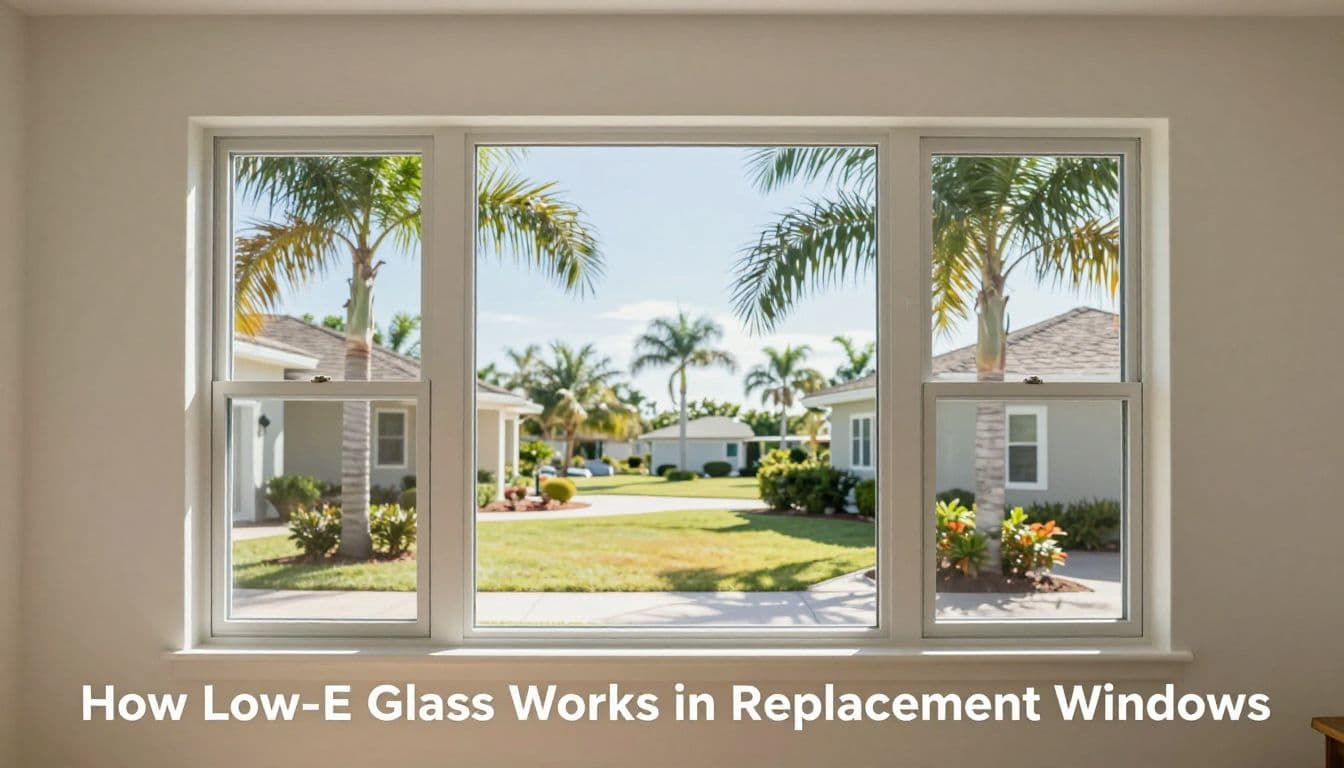
Low-E means "low emissivity." A thin, nearly invisible coating on the glass reflects some infrared energy while allowing visible light through. In summer, that can reduce the amount of outdoor heat entering your home. In cooler conditions, the coating can also help keep indoor heat from escaping.
The coating doesn't work alone. The glass layers, insulating space, spacer, frame, seals, and installation all affect the final result. A window with an impressive glass description can still perform poorly if the frame or installation doesn't match the design.
Coatings control radiant heat
Sunlight passing through a window includes visible light and invisible infrared energy. Low-E coatings reduce radiant heat transfer without making the window look heavily tinted.
However, every coating balances heat control, daylight, and exterior appearance differently. Ask to see a sample in natural light, especially if your home has large glass areas or an unobstructed view.
Insulating spaces matter too
Double-pane and triple-pane windows use sealed spaces between the glass. Manufacturers may fill these spaces with air or an insulating gas, such as argon. The spacer keeps the panes separated and helps maintain the seal.
The quality of the sealed unit matters because moisture between panes indicates a failed seal. Your window professional should explain the product warranty and the signs of seal failure.
Double-pane vs. triple-pane Low-E glass
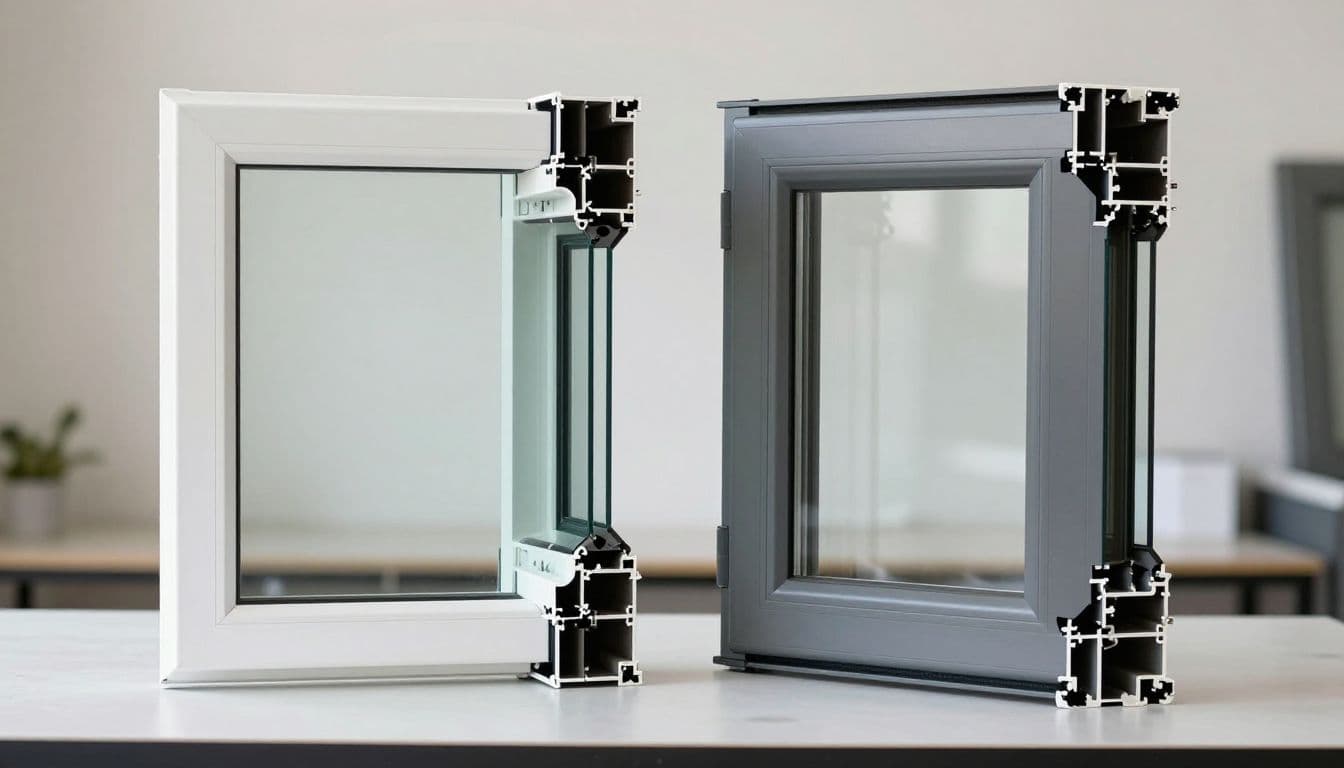
Pane count affects insulation, weight, cost, and frame requirements. The best choice depends on the complete window assembly and the needs of your home.
| Feature | Double-pane | Triple-pane |
|---|---|---|
| Glass construction | Two panes with one sealed space | Three panes with two sealed spaces |
| Insulation potential | Strong performance with the right coating and spacer | Can provide a lower U-factor |
| Weight and depth | Usually lighter and easier to fit | Heavier and may require a deeper frame |
| Southwest Florida use | Common choice for many replacement projects | May suit homes seeking extra insulation or comfort |
| Main consideration | Confirm whole-window ratings | Confirm structural fit, weight, cost, and tested ratings |
When double-pane glass is practical
A well-designed double-pane window can provide effective heat control in many Fort Myers and Cape Coral homes. It may offer a useful balance between insulation, visible light, frame size, operating weight, and project cost.
Double-pane construction also makes sense when the existing opening has limited depth or when heavier triple-pane sashes would affect operation. Still, compare the U-factor and SHGC rather than assuming every double-pane window performs the same.
When triple-pane glass deserves consideration
Triple-pane glass adds another pane and another insulating space. As a result, it can improve the window's insulating performance and reduce the temperature difference at the interior glass surface.
The added weight and depth can affect hardware, frame design, installation, and long-term operation. In Southwest Florida, triple-pane glass may provide more insulation than a typical replacement requires, so ask for a side-by-side comparison of tested performance and total project cost.
A third pane only helps when the frame, spacer, seals, hardware, and installation support the added weight and depth.
Compare U-factor and SHGC before choosing
Two numbers deserve close attention when comparing low-e glass windows: U-factor and solar heat gain coefficient , or SHGC. They measure different types of performance.
U-factor measures heat transfer
U-factor shows how quickly heat moves through the complete window assembly. A lower U-factor means better insulation.
The rating should apply to the entire window, including the frame, sash, glass, and spacer. Center-of-glass performance can look better than whole-window performance, so ask whether a quote lists the complete unit's rating.
A lower U-factor can improve comfort near the window and reduce heat transfer. Yet it shouldn't be the only number you compare in a hot, sunny climate.
SHGC measures solar heat gain
SHGC shows how much solar energy enters through the window. A lower SHGC generally reduces unwanted heat gain, which can help on sunny exposures in Fort Myers, Bonita Springs, and Naples.
Orientation and shade affect the right target. An unshaded west-facing window receives intense afternoon sun, while an opening under a deep overhang may need a different balance of solar control and daylight. Ask about visible transmittance too, since very low solar gain can reduce the amount of natural light entering the room.
For each opening, consider:
- How much direct sunlight reaches the glass during the day.
- Whether trees, roof overhangs, screens, or exterior shades block that sunlight.
- Whether the room feels hot near the window.
- Whether you want maximum daylight or stronger solar control.
Choose between soft-coat and hard-coat Low-E glass
The two main coating types differ in how manufacturers apply them and where the finished glass can be used.
Soft-coat Low-E glass
Soft-coat Low-E glass receives its coating after the glass is produced. The coating often provides strong thermal performance, so manufacturers commonly place it inside a sealed insulated glass unit where it stays protected.
This option can work well when a homeowner wants a lower U-factor or tighter control over solar heat gain. The exact performance depends on the coating, pane arrangement, gas fill, spacer, frame, and other parts of the window.
Ask the installer which glass surface carries the coating and whether the unit is designed for the exposure at your home.
Hard-coat Low-E glass
Hard-coat Low-E glass receives its coating during glass manufacturing. The coating bonds more firmly to the surface and can tolerate exposure in designs where a protected soft coat isn't suitable.
Hard coats can have different appearance and performance characteristics from soft coats. They may fit certain fabrication or glazing applications, but the name alone doesn't tell you whether the finished window is the right choice.
Terms such as Low-E2 and Low-E3 also vary between manufacturers. Compare the documented U-factor, SHGC, visible transmittance, and product construction instead of relying on the coating label.
Account for Southwest Florida conditions
Heat is only one part of a replacement window decision. Homes in Fort Myers, Cape Coral, Naples, Punta Gorda, and nearby communities also face strong sun, high humidity, coastal air, and storm exposure.
Match the glass to orientation and shade
Walk through your home at different times of day before choosing the same glass for every opening. East-facing glass receives morning sun, west-facing glass receives strong afternoon sun, and south-facing glass may receive substantial direct light depending on roof design and shading.
North-facing windows often receive less direct sunlight, but surrounding buildings and reflective surfaces can change the conditions. A qualified professional can review each elevation and suggest whether the same SHGC makes sense throughout the home.
The best choice may combine lower solar gain on exposed windows with a different glass package on shaded openings.
Check hurricane and coastal requirements
A Low-E coating doesn't make a window hurricane-rated. Storm performance depends on the complete tested assembly, including the glass, interlayer when applicable, frame, locks, fasteners, and installation method.
Your address, wind exposure, opening size, building type, and local permit requirements can affect the product needed. Ask whether the proposed window has the approvals required for your project, such as applicable Florida Product Approval documentation or other local requirements.
Coastal exposure also affects frames, fasteners, hardware, and maintenance. Discuss corrosion-resistant components and cleaning practices if your property is near the Gulf, in Estero, or along the coast.
Judge the complete replacement window
Glass is important, but the window around it can change the result. Vinyl, aluminum, fiberglass, and composite frames have different structural and thermal characteristics. Frame width also affects the amount of glass and daylight in the finished opening.
A replacement window must fit the existing opening correctly. Shimming, fastener placement, perimeter sealing, flashing, drainage, and interior trim all influence air and water performance. Even high-performing low-e glass won't correct an installation that allows leaks or air movement.
Review the performance label
Request the product's NFRC label or technical data before approving an estimate. Compare:
- Whole-window U-factor.
- Whole-window SHGC.
- Visible transmittance.
- Air leakage, when listed.
- Design pressure or structural ratings.
- Product approval and impact information, when required.
Look at the full product designation, not only phrases such as "energy efficient" or "hurricane glass." If two products use similar Low-E wording but have different whole-window ratings, the ratings provide the more useful comparison.
Confirm the installation plan
Ask how the installer will measure each opening, prepare the existing frame, seal the perimeter, and anchor the new window. Find out whether the quote includes disposal, interior or exterior trim work, permits, and final adjustments.
For unusual opening sizes or custom glass needs, custom-cut glass windows may require a more detailed site measurement and fabrication plan. A local glass professional can identify conditions that a standard catalog size won't address.
A practical selection process
Use these steps when comparing estimates for your home window replacement:
- List each opening's conditions. Record its direction, shade, room location, size, and exposure to wind or rain.
- Set comfort priorities. Decide whether the main concern is afternoon heat, glare, cold interior glass, storm protection, or preserving daylight.
- Compare complete window ratings. Review U-factor, SHGC, visible transmittance, air leakage, and structural information for each proposed unit.
- Evaluate double-pane and triple-pane designs. Confirm that the frame and hardware can support the chosen pane count.
- Ask about soft-coat or hard-coat glass. Request the coating location, appearance, warranty, and tested performance.
- Review installation details with a qualified local professional. Confirm measurements, sealing, fasteners, approvals, permits, and cleanup before work begins.
A clear estimate should identify the window brand and series, glass package, frame material, operating style, ratings, and installation scope. If those details are missing, ask for them in writing.
Conclusion
The right Low-E replacement window depends on more than the number of panes or the coating name. Compare U-factor and SHGC, then match them to orientation, shade, frame design, coastal conditions, storm requirements, and the complete unit's tested performance.
For a Southwest Florida home, the strongest choice is the window that controls solar heat while fitting the opening, meeting local requirements, and supporting reliable installation. A careful comparison with a qualified local professional can help you choose low-e glass windows that improve comfort without sacrificing the daylight and views you want.