
Tempered vs Laminated Glass for Southwest Florida Windows
A broken window can create two problems at once: dangerous glass inside the home and an opening that exposes your property to wind, rain, and debris. When comparing tempered vs laminated glass , the right choice depends on how the window should break, what protection you need, and whether the complete window system has the required approval.
Tempered and laminated glass have different safety designs, so they aren't interchangeable in every home window application. Tempered glass breaks into small pieces, while laminated glass usually stays attached to its inner layer after impact. Your home's location, window size, exposure, and local requirements all matter.
Tempered vs laminated glass: How each type breaks
Both options improve safety compared with ordinary annealed glass. However, they handle damage in very different ways.
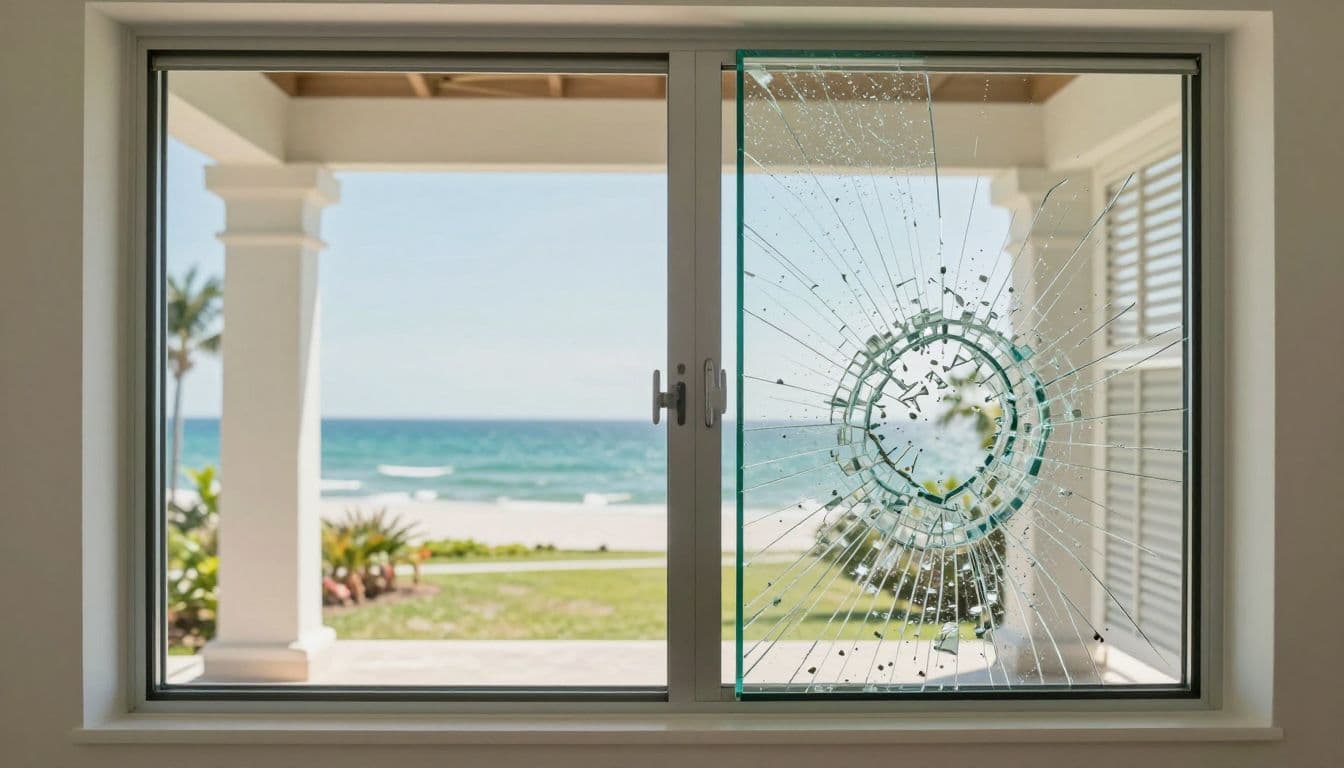
Tempered glass breaks into small pieces
Manufacturers heat tempered glass and cool it quickly. This process creates internal strength, making it typically four to five times stronger than annealed glass of the same thickness.
When tempered glass breaks, it shatters into many small, relatively blunt pieces. That reduces the chance of large, sharp shards remaining in the opening. This feature makes tempered glass useful in areas where people could fall against a window or where broken glass could cause severe cuts.
The main limitation is that the entire pane loses its barrier once it breaks. Small fragments may fall away from the frame, leaving the opening exposed to weather and other hazards.
Laminated glass stays bonded after impact
Laminated glass contains at least two glass layers bonded to a clear plastic interlayer, often made with PVB or a similar material. If the glass cracks, the interlayer helps hold the pieces together.
The pane may look damaged, but it can remain in the frame and continue blocking the opening. That is important for homes near the coast, where wind-driven debris can break ordinary glass during a severe storm.
Laminated glass can include annealed, heat-strengthened, or tempered glass plies. The label alone doesn't tell you whether a product is approved for hurricane protection.
Comparing performance in residential windows
The best glass choice depends on the job. A bathroom window, a large living-room opening, and a coastal bedroom may need different performance characteristics.
| Feature | Tempered glass | Laminated glass |
|---|---|---|
| Breakage pattern | Breaks into small pieces | Cracks while pieces usually stay attached |
| Main safety benefit | Reduces sharp shards | Helps maintain a barrier after breakage |
| Sound reduction | Limited by itself | Often provides better noise control |
| UV protection | Depends on coatings or tint | The interlayer can block much UV |
| Intrusion resistance | The opening may become exposed after breakage | The bonded layer can delay entry |
| Storm protection | Only when part of a tested system | Often used in tested impact systems |
| Common applications | Bathrooms, doors, low windows | Large openings, coastal windows, security glazing |
When tempered glass makes sense
Tempered glass is a practical choice for many interior and non-impact applications. Building codes often require safety glazing near doors, in shower areas, and in locations where a person could reasonably fall into the glass.
It also works well for certain window replacements where the main concern is injury from breakage rather than storm debris. A bathroom window, interior partition, or small fixed pane may need safety glass without requiring a hurricane-rated assembly.
However, tempered glass doesn't automatically provide impact protection. Once it breaks, the fragments can leave the frame. For a home exposed to flying debris, that difference matters.
When laminated glass offers more protection
Laminated glass is often the better option when the window needs to remain a barrier after impact. It can also improve privacy, reduce outside noise, and help limit UV exposure to floors, furniture, artwork, and fabrics.
A laminated pane may be useful beside a busy road, near a pool area, or in a room with large glass openings. It can also add time during a forced-entry attempt, although no residential window should be treated as completely impenetrable.
For coastal homes, laminated glass deserves a closer look because it can remain attached after damage. Still, the frame, fasteners, design pressure, and installation method must match the approved system.
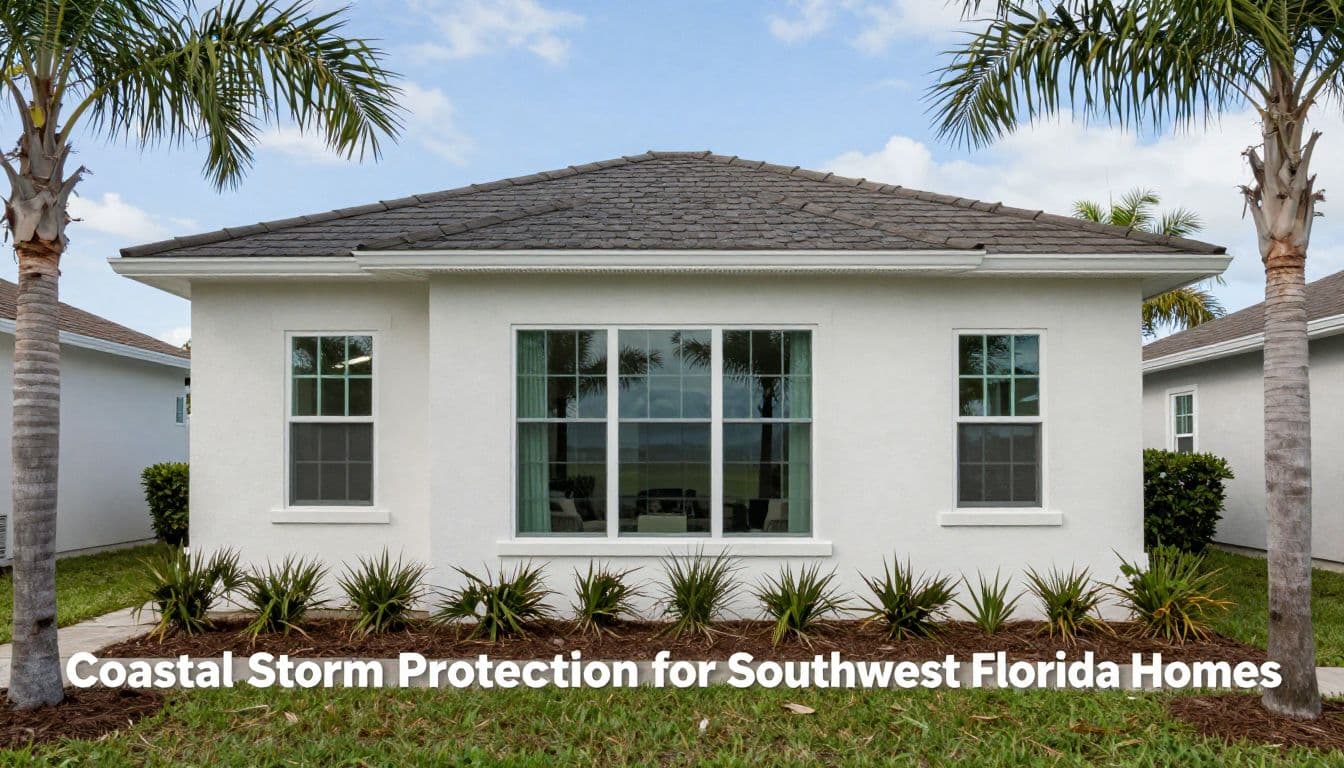
Coastal storm protection for Southwest Florida homes
Hurricane protection involves more than choosing one type of glass. A window's performance depends on the entire tested assembly, including the glazing, interlayer, frame, seals, fasteners, and installation details.
What impact-rated windows actually mean
An impact-rated window system has undergone testing for conditions such as windborne debris and repeated pressure changes. The product must meet the applicable approval requirements for the location and intended use.
Many impact-rated systems use laminated glazing because the bonded interlayer helps keep the pane in place after impact. Yet not all laminated glass is hurricane-rated . A laminated tabletop, interior panel, or standard residential pane may have no impact approval at all.
Ask for the product approval documentation that applies to the exact window or door system. The approval should match the product size, configuration, frame, installation method, and opening where it will be installed.
Why the frame and installation matter
A strong pane can still fail if the frame or anchoring system isn't designed for the opening. Large windows place different demands on the structure than small bathroom windows. Mullions, sill conditions, wall construction, and fastener spacing also affect performance.
Replacement work can bring additional challenges in older Fort Myers, Cape Coral, or Punta Gorda homes. The existing opening may have uneven masonry, previous repairs, or a frame that doesn't match current products.
A qualified window professional should inspect the opening, confirm measurements, and explain whether a replacement window, approved impact system, or separate protection option fits the property.
Choosing window glass by Southwest Florida location
Your city doesn't determine the glass choice by itself. Exposure, building jurisdiction, opening size, home design, and the product selected all affect the recommendation.
Fort Myers, Cape Coral, Bonita Springs, and Estero
Homes in Fort Myers and Cape Coral often include broad living-room windows, sliding doors, and open floor plans with larger glass areas. These openings deserve an evaluation for impact-rated systems, especially when they face prevailing wind exposure or sit in vulnerable rooms.
Bonita Springs and Estero homeowners may also want to compare laminated glazing for coastal noise, UV control, and added protection after breakage. A laminated product can improve comfort, but the product still needs the right testing and approval if storm protection is the goal.
For any of these cities, ask whether the proposed window has Florida approval or another approval accepted by the local jurisdiction. Also request installation details, not only a glass thickness.
Naples, Lehigh Acres, and Punta Gorda
Naples homes often prioritize broad views, natural light, and protection for expensive interior finishes. Laminated glass with suitable Low-E coatings can support those goals, but thermal performance depends on the whole insulated glass unit, not the interlayer alone.
Lehigh Acres is farther inland than many coastal neighborhoods, but homeowners shouldn't assume storm-related requirements disappear. Wind exposure, local code, opening size, and the home's construction still matter.
Punta Gorda properties may face coastal wind conditions, salt air, and large glazed openings. Ask about corrosion-resistant hardware, compatible frames, drainage, and the maintenance needs of the selected system.
Local building-code, product-approval, insurance, and installation requirements should be verified with a qualified window professional before ordering materials.
Look beyond breakage when comparing glass
Safety and storm performance usually lead the discussion, yet daily comfort also affects the decision.
UV, noise, and indoor comfort
Laminated glass can reduce much of the ultraviolet light that passes through ordinary clear glass. That may help slow fading on wood floors, rugs, artwork, and upholstered furniture. The exact result depends on the interlayer, glass composition, tint, and coating.
It can also reduce some outside noise, although the frame and wall assembly affect the final result. A special acoustic interlayer may offer better sound control than standard laminated construction.
Tempered glass doesn't automatically provide UV or noise control. Low-E coatings, insulated glass, gas fills, tint, and frame design often make a larger difference in energy performance.
Glass is only one part of the window
A window professional should evaluate the entire unit rather than recommend glass in isolation. Important details include:
- The number of panes and the insulated glass design
- Low-E coating and solar-control needs
- Frame material and corrosion resistance
- Design pressure for the opening
- Sill condition, drainage, and fastener attachment
- Whether the product is approved for impact use
- Warranty coverage for the glass, frame, and installation
Salt air can be hard on exposed hardware and frames. Regular cleaning with fresh water and a mild product can help remove salt residue, but the manufacturer's care instructions should control.
Questions to ask before ordering replacement windows
A clear conversation prevents expensive surprises. Ask the installer these questions before approving the work:
- Is the proposed glass tempered, laminated, insulated, or a combination of these features?
- Does the complete window system have an approval for impact protection at this opening?
- Which approval documents apply to the exact size and configuration?
- Will the existing frame and wall condition support the new unit?
- Does the installation include the required fasteners, sealants, flashing, and trim?
- Could the product qualify for an insurance benefit, and what documentation would the carrier require?
- What are the warranty terms for glass failure, hardware, leaks, and installation?
A trustworthy estimate should identify more than a glass type. It should describe the window or door system, measurements, installation scope, and any conditions that could affect the final price.
Conclusion
Tempered and laminated glass solve different problems. Tempered glass breaks into smaller pieces, which helps reduce injury. Laminated glass holds cracked pieces together, which helps preserve a barrier and can support noise and UV control.
For homeowners in Fort Myers, Cape Coral, Bonita Springs, Estero, Naples, Lehigh Acres, and Punta Gorda, the right decision starts with the opening and the home's exposure. If storm protection matters, choose a complete tested and approved impact-rated system rather than relying on the word "laminated" alone. The safest window choice is the one whose glass, frame, approval, and installation all match the home.