
Why Wavy Window Glass Appears in Fort Myers Homes
A new pane should make your view clearer, so a warped reflection can feel alarming. Wavy window glass sometimes appears after a replacement, yet the cause may be a normal characteristic of the glass, a temporary pressure change, or a condition that needs correction.
Southwest Florida's bright sun, open water views, and palm-lined yards make small distortions easier to notice. The right next step depends on where the waviness appears, how severe it is, and whether other warning signs are present.
What Wavy Window Glass Looks Like
Glass distortion usually shows up in reflections before it affects your view through the pane. Palm fronds, rooflines, pool cages, or window grids may look bent as you walk past the home. Straight edges often seem to ripple only from certain angles.
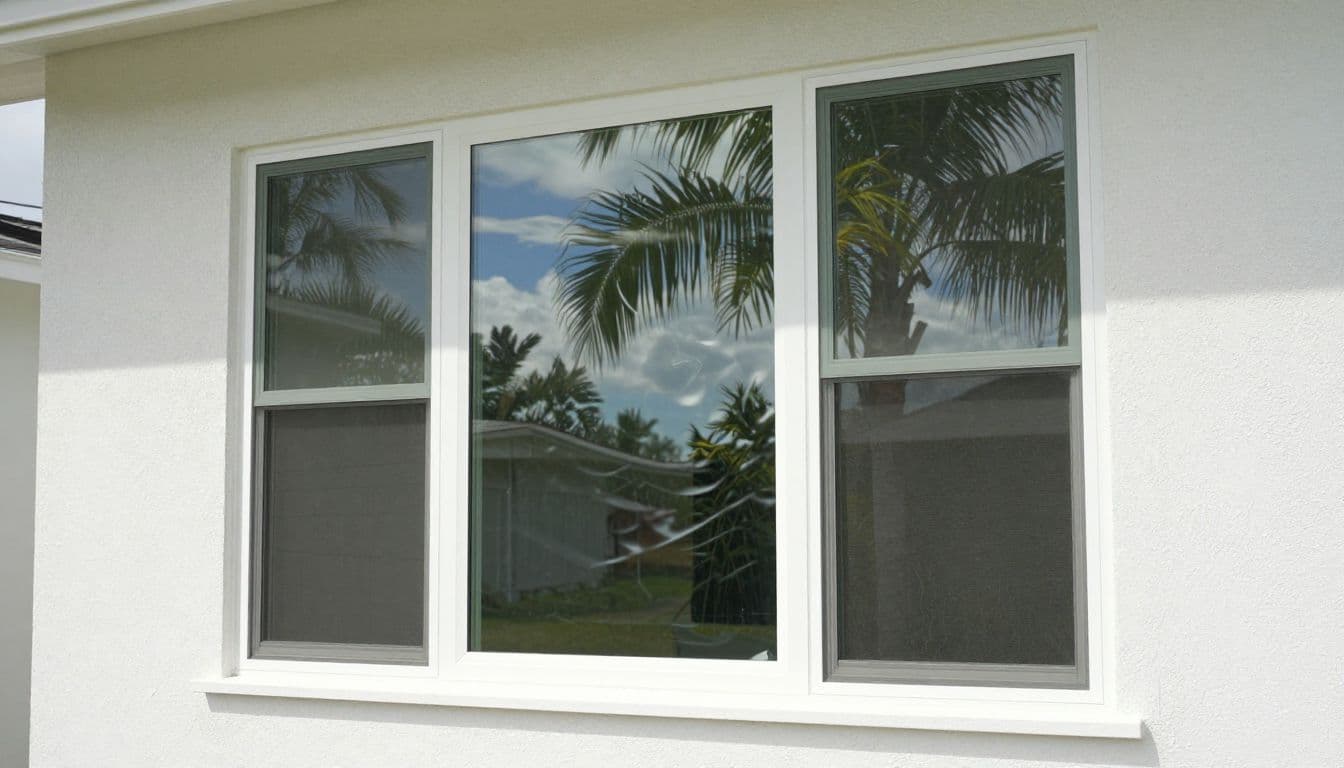
Check reflections and straight sightlines
Look at the pane from several locations outside. Then view a straight object through the center of the glass, such as a fence line or the edge of a neighboring building.
A mild shift in a reflected image can occur in quality glass. However, distortion that remains obvious when looking directly through the glass deserves a closer look. Large ripples, localized dents, or a view that bends noticeably across the middle of a pane aren't details to ignore.
Notice whether the effect changes
An insulated glass unit has two or more panes separated by a sealed spacer. Temperature swings can make those panes flex slightly as the air pressure between them differs from outdoor pressure.
For example, glass may look more bowed during a hot Naples afternoon, then appear flatter after temperatures moderate. This temporary effect should not cause cracks, loose glazing, or moisture between panes.
Reflections can exaggerate small optical variations. A clearly distorted view through the pane is more likely to need professional evaluation.
Common Causes of Wavy Window Glass
Replacement glass isn't all made or treated the same way. The type of pane and the way it was fabricated both affect how evenly it reflects light.
Tempered glass can show roller wave
Manufacturers make tempered glass by heating it, then cooling it rapidly. It gains strength during that process, but it can also develop slight surface undulations called roller wave or roller distortion.
This is most visible in reflected sunlight and at shallow viewing angles. Tempered glass is common in locations that need safety glazing, including many doors and low window openings. A subtle roller pattern may fall within accepted manufacturing tolerances, but pronounced distortion should be documented and reviewed.
Laminated impact-rated glass can also show more reflection variation than a simple single pane. Its layered construction and coatings may make visual effects easier to spot, especially against Cape Coral canal views or bright sky.
Insulated units can flex with pressure changes
Sealed units respond to heat, cold fronts, and changing barometric pressure. Since Southwest Florida sun warms exterior surfaces quickly, minor bowing can become visible at certain times of day.
Low-E coatings don't create physical waviness, but their stronger reflections can reveal it. If the glass returns to a flatter appearance as conditions change, pressure-related deflection may be the explanation.
Still, a permanent bulge, a distorted spacer, or fogging between panes points to a problem with the unit rather than a passing weather effect.
When Waviness May Signal a Glass or Installation Problem
Not all distortion is normal. A new window should sit squarely in its opening, with its glass supported correctly and its frame operating smoothly.
Warning signs inside the glass unit
Ask for a warranty evaluation when waviness appears with any of these conditions:
- Moisture, haze, or mineral streaks between insulated panes often indicate seal failure.
- A crack, chip, or star-shaped break can mean the glass has experienced impact or stress.
- Distortion that stays in one area and is easy to see through the glass may be a fabrication defect.
- A bent spacer, shifting internal grille, or debris between panes also calls for inspection.
Don't try to press on the glass or remove stops to test the issue. That can damage the glazing system and complicate a warranty claim.
Frame pressure and poor support can affect the pane
Installation can contribute to distortion when a frame is racked, fasteners pull it out of square, or setting blocks don't support the glass correctly. Glazing that is too tight may create point pressure near an edge or corner.
In Bonita Springs and Estero, homeowners should also pay attention after storms or building movement. If the sash binds, locks poorly, rubs the frame, or shows new cracks, the window needs prompt inspection.
How to Request the Right Evaluation
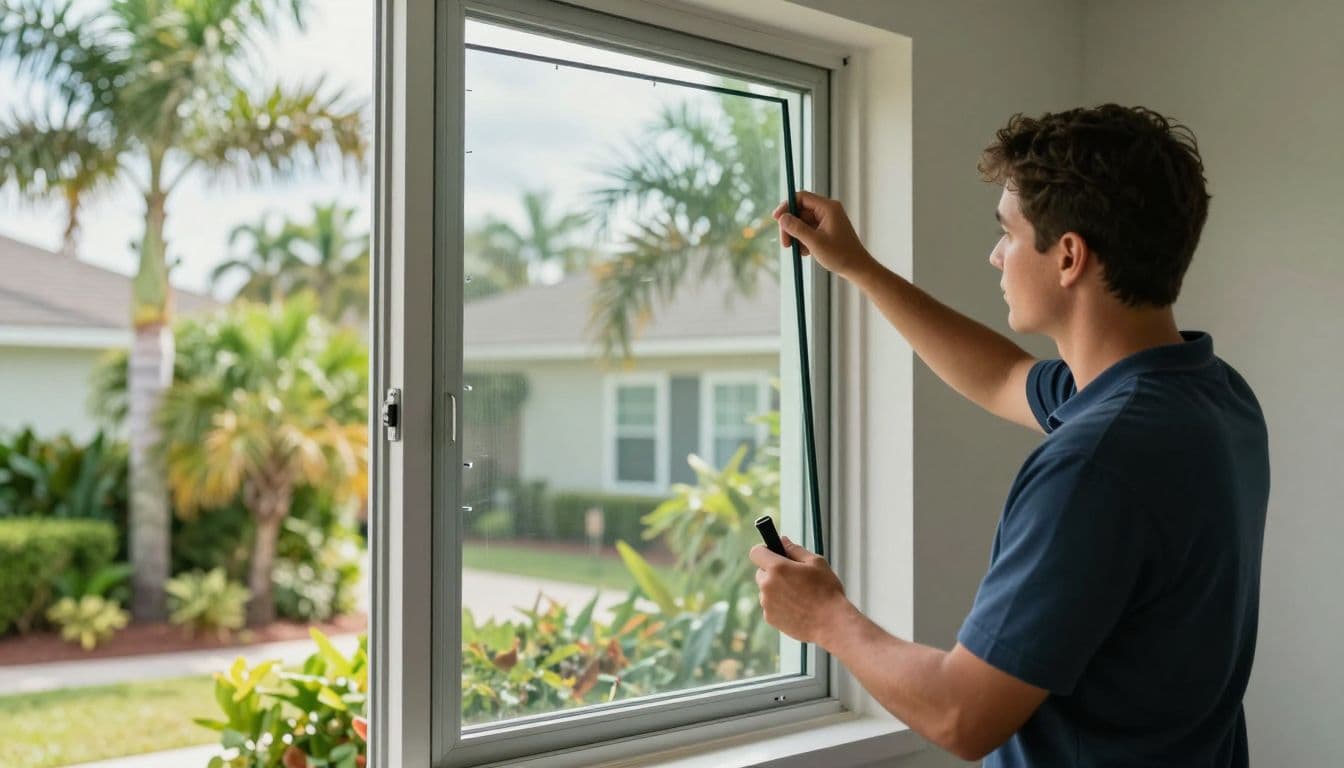
Start by taking photos from inside and outside during the time distortion is most visible. Include a reflected straight line, the full window, and close views of any condensation or damage.
Next, gather the installer invoice, manufacturer information, and installation date. A technician can then determine whether the issue is normal optical distortion, a defective insulated unit, glass damage, or frame-related pressure.
For a pane that needs replacement, custom glass repair and installation can provide a made-to-measure fit rather than a generic cut. If you see cracking, failed seals, severe warping, or an operating problem, contact a Southwest Florida glass repair specialist before the condition worsens.
A Clear View Starts With a Proper Diagnosis
Mild reflection changes can occur in tempered or insulated glass, particularly under intense Florida sun. Yet wavy window glass that distorts your direct view, traps moisture, cracks, or affects window operation should never be dismissed.
A careful inspection separates a normal optical effect from a glass defect or installation issue. That distinction protects your home's appearance, comfort, and window warranty.