
Why Window Locks Miss the Strike Plate in Cape Coral
Window locks miss their strike plates when the moving sash, receiving hardware, or frame no longer lines up correctly. In Cape Coral homes, incomplete closure, worn components, loose fittings, and movement around the opening can account for that mismatch.
A window lock strike plate needs the sash to reach its intended resting position before the latch can engage. The safest starting point is finding what changed , rather than forcing the handle or relocating the plate.
Key Takeaways
- A latch that misses its keeper can point to a sash-position problem, worn hardware, or frame misalignment.
- Corrosion, damp trim, and drainage problems deserve attention, but their appearance alone doesn't establish why the lock misses.
- Limit homeowner checks to gentle operation, accessible cleaning, and visual inspection. Cracked glass, an unstable sash, or a distorted frame calls for professional help.
How the Window Lock and Strike Plate Meet
The sash is the part of the window that holds the glass. On an operating window, it moves within the surrounding frame. The strike plate, also called a keeper on many window designs, receives the latch.
Some windows use a cam-style lock that draws the meeting rails together. Others have sliding bolts or different latch arrangements. Although their hardware differs, each design depends on compatible parts meeting in the intended position.
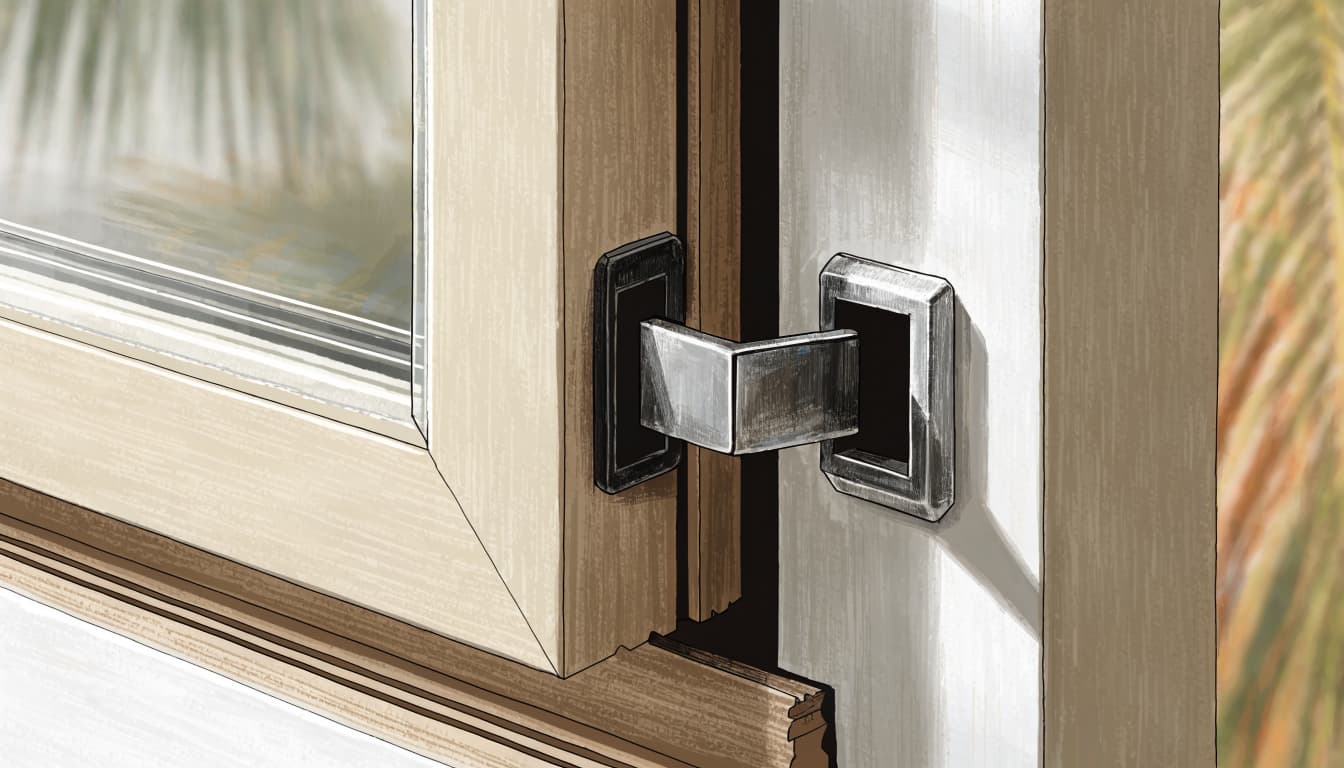
If the latch passes above, below, or beside its receiver, note that direction. Also notice whether the sash closes evenly before you touch the handle.
A handle reaching its closed position doesn't prove that the latch has engaged the keeper.
That distinction helps separate a handle problem from a window that isn't reaching its proper closed position.
Sash and Frame Misalignment Change the Fit
A window can look closed while one edge remains slightly out of position. The way it moves often provides more useful information than the lock alone.
The sash isn't fully seated
Dirt in a track, displaced weatherstripping, or an obstruction at the sill can prevent full closure. On a double-hung window, an upper sash that has slipped downward can also keep the meeting rails apart.
Worn rollers on a horizontal slider can let the sash ride unevenly. On a hung window, a balance problem can affect its movement or ability to stay open.
These conditions require different repairs. A latch replacement won't remove a track obstruction or restore a sash that sits crookedly.
The opening or frame has shifted
Building settlement or movement around the opening can change the relationship between the sash and frame. Installation problems can also leave a frame out of square.
Look for uneven gaps, rubbing along one edge, or a corner that reaches the frame before the opposite corner. These observations help a technician assess the assembly without assuming the lock itself has failed.
However, a missed strike plate alone doesn't establish a foundation problem. New wall cracks, sticking doors, and changes at several openings provide broader context that may warrant a building professional's assessment.
Worn Hardware Can Prevent Reliable Engagement
When the sash closes evenly but the latch still misses, the hardware deserves closer attention. Wear can affect both the moving mechanism and its attachment points.
Loose connections let parts move
A loose lock body or keeper can shift away from its intended position. Damaged screw holes may also let hardware move even when the screw heads appear seated.
Visible movement at the base of the lock is different from play inside the handle. Both matter, but they point to different repair needs.
Avoid repeatedly cycling a loose assembly. Continued movement can damage the mounting area and make a focused repair more difficult.
Worn or mismatched parts don't meet correctly
A bent latch, worn pivot, or damaged cam may no longer follow its intended path. The handle can move while the engaging part falls short.
Previous repairs can introduce another issue: replacement hardware that looks similar but doesn't match the window. The keeper's shape and the latch's movement must work together.
A window-hardware professional can identify the existing system and assess compatible parts. Buying a close-looking replacement without identifying the mechanism can leave the original problem unresolved.
Coastal Wear Deserves Its Own Inspection
Cape Coral's waterfront setting makes moisture and surface residue relevant maintenance concerns. However, visible weathering and lock misalignment should receive separate attention until an inspection connects them.
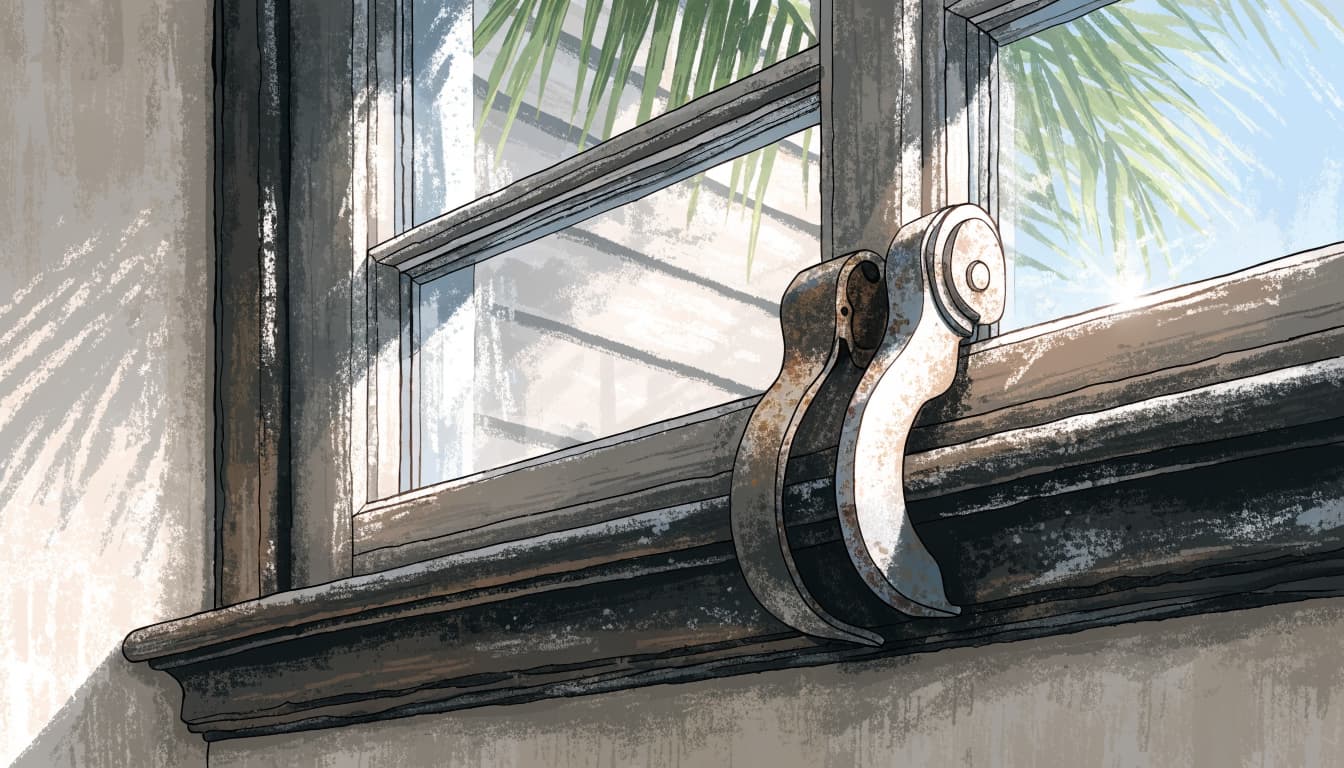
Corrosion is a condition to document
Salt deposits and moisture can affect exposed metal finishes. Look for pitting, peeling coatings, rough surfaces, or rust staining around steel fasteners.
Aluminum can corrode, too, although it doesn't develop the same rust seen on steel. A chalky deposit or damaged coating deserves attention.
These signs help describe the window's condition. They don't, by themselves, establish why the latch misses its receiver. Avoid treating every operating problem with lubricant before identifying the mechanical issue.
Damp trim and drainage need attention
Swollen wood, peeling paint, water stains, and damp drywall indicate a moisture concern around the opening. Moisture-related damage needs assessment alongside the window's operation.
Keep accessible drainage openings clear of loose debris. Don't cover weep holes with paint or caulk, and don't push tools into hidden drainage passages.
Exposure varies across Cape Coral properties. A canal-side opening and a sheltered inland window can collect different amounts of residue, so maintenance should follow actual conditions.
Safe Basic Checks Before Any Repair
Keep these checks gentle and accessible from indoors or ground level. Stop immediately if the glass moves, the sash becomes unstable, or operation requires force.
- Observe the closing motion. Move the sash using its intended handle or lift rail. Notice rubbing, tilting, or resistance before operating the lock.
- Look at the meeting surfaces. Check for leaves, grit, loose debris, or weatherstripping folded into the closing path.
- Clean accessible tracks. Vacuum loose material, then wipe with mild soap and water where the window's care instructions allow. Dry accessible metal surfaces with a soft cloth.
- Inspect without dismantling. Look for a loose lock body, damaged keeper, missing fasteners, bent parts, or uneven gaps.
- Record the pattern. Photograph the latch and receiver separately. Note whether the problem started suddenly, followed a storm, or developed alongside sticking.
Don't lift the sash by its lock, lean your weight against the glass, or use the latch to pull a resistant window closed.
Also avoid filing the keeper, drilling new mounting holes, or bending the latch as a trial repair. Those changes can conceal the original alignment problem and damage otherwise usable components.
Use only cleaners and lubricants approved for the window's materials. Harsh products can harm finishes, seals, or surrounding surfaces without correcting the cause.
When to Call a Window or Lock Repair Professional
A window that won't latch needs prompt attention, especially when accessible from outside. The right professional depends on whether the problem involves the mechanism, the operating sash, or the glass and frame.
Hardware and operating problems need a window specialist
Call a window-repair professional when the sash sits unevenly, binds, drops unexpectedly, or won't remain safely open. Damaged balances, rollers, and frame components require more than a lock swap.
For an isolated latch or keeper problem, a window-hardware technician or a locksmith experienced with residential window locks may be appropriate.
Describe what happens before the lock reaches the keeper. Information about rubbing, uneven closure, and loose components helps focus the inspection.
Glass and frame damage require a broader assessment
Cracked glass, a loose pane, a separated frame corner, or recurring water intrusion calls for professional evaluation. Stop operating a window with shifting glass or an unstable sash.
Replacing the pane alone won't straighten a distorted frame or repair a worn latch. Our explanation of glass-only versus full-window replacement covers why the surrounding assembly matters.
At Caloosahatchee Glass & Mirror, we provide residential glass repair and replacement, including broken-window and insulated-glass replacement. Sound existing frames can often remain when the glass itself is the problem.
Frequently Asked Questions About Window Lock Alignment
Should I replace the strike plate first?
Only after the cause has been identified. A damaged or incompatible keeper may need replacement, but the same symptom can come from a sash that doesn't close correctly.
Replacing the plate without addressing the sash position can leave the window difficult to latch. The lock and the operating window need assessment together.
Can lubricant fix a lock that misses its keeper?
Lubricant won't correct a bent latch, an incompatible keeper, or a frame alignment problem. It may help an appropriate moving part when the manufacturer permits its use.
However, cleaning and lubrication shouldn't replace an inspection when hardware is loose, damaged, or visibly out of position. Avoid spraying products indiscriminately into the mechanism.
Does a missed latch mean I need a new window?
A missed window lock strike plate doesn't automatically require full replacement. The repair may involve compatible hardware or an operating component.
A badly distorted frame, unstable sash, or multiple damaged sections changes that decision. The condition of the whole assembly matters more than the lock symptom alone, and a professional assessment can distinguish those situations.
Restore Proper Closure Before Forcing the Lock
A window lock depends on an evenly seated sash and compatible, securely attached hardware. In Cape Coral homes, the useful first step is observing where that relationship breaks down.
Keep homeowner checks limited to safe cleaning and visual inspection. When the sash binds, glass shifts, or hardware is damaged, professional diagnosis protects the window from further damage.
Proper closure comes first . The latch should engage without forcing the sash into place.