
Can Insulated Glass Improve a Fort Myers Storefront?
Commercial insulated glass can make a Fort Myers storefront more comfortable, help manage solar heat, and give the space a clear, finished appearance. Depending on the glass and frame, it may also reduce some outside noise and condensation.
The improvement depends on the complete storefront system , not the glass alone. Frame condition, sun exposure, and the requirements of the opening all affect which upgrade makes sense.
What commercial insulated glass includes
An insulated glass unit, often called an IGU, typically has two panes separated by a sealed space. The space contains air or an insulating gas, such as argon. A spacer holds the panes apart, and a perimeter seal keeps the unit closed.
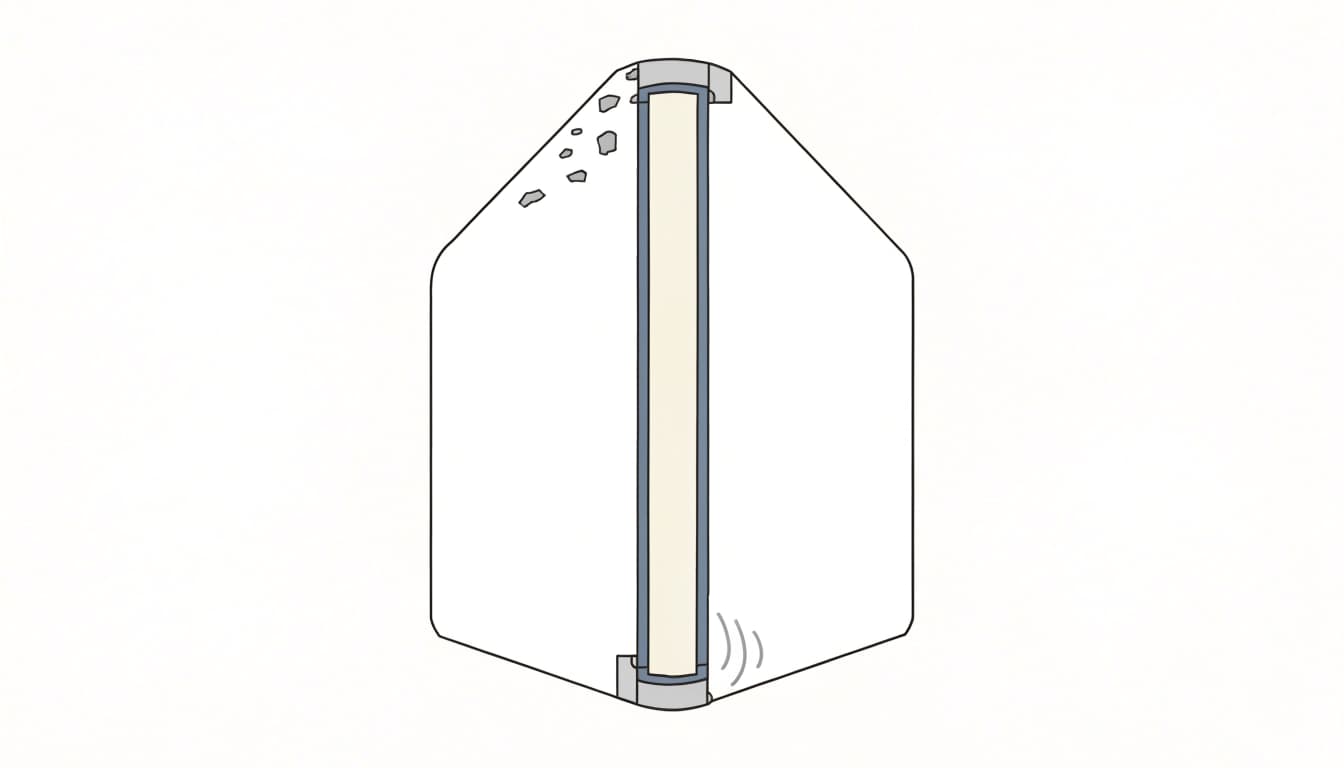
The sealed space
The space between the panes slows heat transfer compared with a single pane. That can make the glass surface facing the room more comfortable when there's a temperature difference between indoors and outdoors.
Insulated glass isn't a film applied to an existing pane. It's a manufactured unit that must fit the storefront's glazing system. Some units also include coatings or special glass layers selected for a particular purpose.
Glass coatings and layers
A low-emissivity, or low-E, coating can improve how the unit manages heat. Depending on its design, the coating can limit solar heat gain while allowing daylight through.
The panes can also be tempered or laminated when the opening calls for those properties. Insulation describes the unit's construction; tempered and laminated describe the type of glass within it.
How insulated glass can improve comfort and energy use
Large storefront windows bring daylight into a business, but they also expose the interior to Southwest Florida sun. A Cape Coral shop with a west-facing display window may need a different glass specification than a shaded office entrance.
Reducing heat near the glass
Sunlight passing through glass can warm floors, merchandise, and people sitting nearby. A low-E insulated unit selected for solar control can reduce some of that heat gain while preserving a view through the storefront.
That matters when you have a reception desk or seating area close to the window. Customers and employees may feel more comfortable there, even when the thermostat is set at the same temperature.
Glass doesn't control every source of discomfort. Direct sun can still produce glare, and an oversized glass wall can still feel warm. Awnings, shades, and the building's air-conditioning system also affect the space.
Understanding energy ratings
Two measurements help describe glass performance:
- U-factor measures how readily heat passes through an assembly. A lower number indicates less heat transfer.
- Solar heat gain coefficient , or SHGC, describes how much solar heat enters. A lower number means less solar heat gain.
The National Fenestration Rating Council, or NFRC, uses these ratings to help compare products. For a sunny storefront, both the glass and frame matter. Air leakage around the opening can also affect comfort and cooling demand.
Better-performing glass may reduce the work needed to cool the space, but savings depend on the building and the glass being replaced. Our guide to low-E glass replacement options explains why a darker appearance isn't the only way to manage heat.
Noise and condensation: What to expect
Insulated glass can help with both sound and moisture, but neither benefit is automatic. The details of the unit and the surrounding storefront make a difference.
Reducing outside noise
For an Estero office near a busy road, quieter conversations may matter as much as solar control. A well-sealed glass assembly can reduce some sound entering through the storefront.
However, two panes don't make a space soundproof. Glass thickness, the space between panes, and the quality of the seals all influence the result. Sound can also enter around doors or through other parts of the building.
Laminated glass, which has an interlayer between glass layers, can be part of an insulated unit and may help reduce noise. The choice depends on the sound problem and the construction of the complete storefront.
Understanding where moisture appears
Condensation forms when moist air meets a surface that's cool enough. An insulated unit can help keep the indoor glass surface warmer under some conditions, which may reduce condensation on that surface.
Southwest Florida humidity can also produce moisture on the outside of cooled glass. That can happen when warm outdoor air meets a cold exterior surface and doesn't by itself mean the unit has failed.
Moisture or a cloudy film between the panes is different. It can point to a failed seal in an existing IGU. Cleaning the exposed surfaces won't remove that trapped fog, so replacing the unit may be the practical repair.
A clearer, more consistent storefront appearance
A storefront does more than separate an interior from the sidewalk. It gives customers a view of the business and provides daylight without leaving the opening exposed to weather.
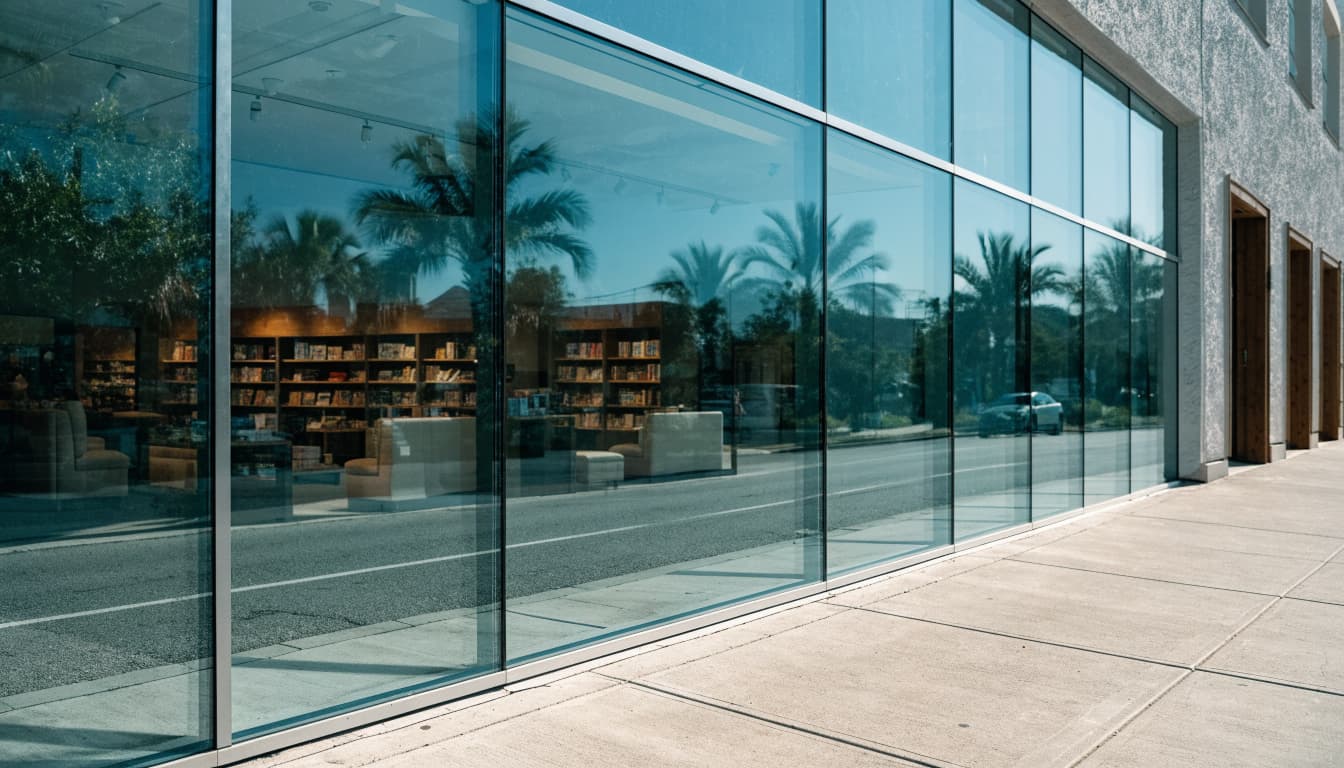
Clear insulated glass can maintain that open look. For a Bonita Springs retailer, the goal might be a bright view of merchandise with less solar heat entering through the display window. An office may prefer a different balance of visibility and reflection.
When replacing one panel beside older glass, appearance deserves attention. Coatings, glass thickness, and tint can affect color and reflectivity. Even a properly fitted replacement can look different from the neighboring panes, especially in direct sunlight.
For a larger project, selecting the glass across the storefront together can help create a more consistent appearance. Visibility and solar control both matter, so the darkest option isn't automatically the right one.
Can an existing storefront use insulated glass?
Sometimes an existing storefront frame can accept an insulated unit. The answer depends on the frame's condition and whether its glazing pocket has enough depth and support for the new glass.
A single-pane system may have been designed for thinner glass. An IGU can be thicker and heavier, so it isn't always a direct swap. The stops, gaskets, and setting materials must also suit the replacement unit.
When glass-only replacement may work
If a storefront already has insulated glass and the frame is sound, replacing a damaged or fogged unit may be an option. The new unit needs to fit the opening and match the system's required thickness and edge details.
For adjacent panels, the replacement's coating and appearance matter too. Our discussion of replacing glass without replacing the frame covers similar considerations for window units. A commercial storefront needs its own assessment because its framing and glazing details can differ.
When the frame needs attention
New glass won't correct a frame that has shifted, deteriorated, or allowed water into the opening. Drainage paths, fasteners, glazing stops, and weather seals all contribute to how a storefront performs.
In Lehigh Acres, for example, a renovation may reveal that several components need work rather than a single pane. In that situation, a broader storefront replacement may be more useful than fitting new glass into a compromised system.
Doors deserve separate attention. Their weight, operation, hardware, and glazing requirements may differ from those of fixed panels beside them.
Planning glass for a new storefront
New construction or a full remodel gives you more flexibility to select the glass and framing together. For a Punta Gorda business, that planning can account for both a bright entrance and the building's exposure to sun and weather.
Match the glass to the space
Start with how people use the area behind the glass. A storefront with customer seating next to a sunny window may prioritize solar control. A display-oriented business may place more weight on daylight and a clear view of merchandise.
The design should also account for doors, panel sizes, framing, and how the storefront meets the surrounding wall. A well-chosen glass unit needs a compatible system around it to deliver its intended performance.
Include safety and storm requirements
Glass in commercial doors and other locations may need to meet safety glazing requirements. Tempered and laminated glass address different concerns, and either may be incorporated into an insulated unit when appropriate.
For storm protection, the relevant choice is a complete tested and approved system for the opening. Insulation alone doesn't make a storefront impact-rated. The glass, frame, anchorage, and installation are part of that system.
Our comparison of tempered and laminated glass explains the differences between those glass types.
Planning the work around your business
Storefront projects vary in scope. Replacing one failed insulated unit is different from changing an older single-pane facade or installing an entirely new aluminum storefront system.
What affects the project
The existing frame is a major factor. Panel dimensions, glass type, access to the opening, and the condition of the surrounding materials also affect the work. A replacement that must match nearby glass or meet a particular system requirement may involve additional fabrication.
For a Naples business that stays open during a remodel, access and timing matter as much as the finished appearance. Planning the work around entrances and customer areas helps limit disruption.
Getting a project estimate
A useful estimate identifies the proposed glass and the scope of the work. It should distinguish a glass-only replacement from work that includes framing or other storefront components.
At Caloosahatchee Glass & Mirror, we offer free estimates and provide commercial storefront glass services for new installations, replacements, and repairs across Southwest Florida.
Choose glass that fits the whole storefront
Insulated glass can improve comfort and help manage heat while preserving the daylight and visibility a storefront needs. Its performance depends on the glass specification, the frame, and the condition of the opening.
A well-matched system gives you a more useful result than selecting glass by appearance alone. Whether you're replacing a fogged panel or planning a new storefront, the right scope starts with the building and how you use the space.