
Glass Bathtub Panels vs Shower Curtains for Florida Homes
A bathtub can look polished and stay easier to manage with the right shower barrier. The choice between glass bathtub panels and a shower curtain affects water control, daily cleaning, bathroom style, and long-term upkeep.
Southwest Florida homes face extra moisture from humid air, frequent rain, and limited ventilation in some bathrooms. A solution that works well in a dry climate may need more attention in Fort Myers, Cape Coral, Naples, or Port Charlotte. The best option depends on how your bathroom is used, how much maintenance you want, and whether you prefer a permanent upgrade or a flexible change.
Glass Bathtub Panels vs Shower Curtains: At a Glance
Glass panels create a solid barrier between the shower spray and the rest of the bathroom. Shower curtains use fabric or vinyl that moves with the air and water. Both can work well, but they handle moisture and cleaning in different ways.
| Feature | Glass bathtub panels | Shower curtains |
|---|---|---|
| Water control | Strong, especially with proper sizing | Good when closed fully, but gaps can cause splashing |
| Appearance | Clean, open, and custom-looking | Flexible, with many colors and patterns |
| Cleaning | Requires wiping glass and hardware | Requires washing or replacing the curtain and liner |
| Mildew risk | Lower on the glass, though seals still need care | Higher if fabric or liner stays damp |
| Hard-water spotting | Visible without regular drying | Less noticeable on the curtain itself |
| Installation | More permanent and precise | Fast and usually simple |
| Bathroom access | Fixed panels limit access slightly | Curtain opens across the entire tub |
| Cost planning | Higher initial investment in most cases | Lower upfront cost |
A glass panel often gives better splash control and a more finished appearance. A curtain costs less and makes replacement easy. Your daily habits matter as much as the material.
In a humid bathroom, the barrier that dries quickly is usually easier to maintain than the barrier that stays damp after every shower.
Glass Bathtub Panels Bring Modern Style
A clear glass panel keeps the tub area visually open. Unlike a fabric curtain, it doesn't interrupt the tile, wall color, or natural light. That open appearance can help a small bathroom feel less crowded.
Fixed panels are the simplest glass option. The panel stays in place and covers the area where most water escapes. This design works well for homeowners who want a clean look with minimal moving hardware. However, a fixed panel may leave part of the tub open, so the showerhead position and the user's spray direction matter.
Hinged glass bathtub panels swing inward, outward, or in both directions, depending on the hardware and installation. They provide a wider opening for entering and exiting the tub. A hinged panel also gives you more control when cleaning the wall and tub edge. Because the door moves, the hinges, seals, and surrounding clearances need accurate measurements.
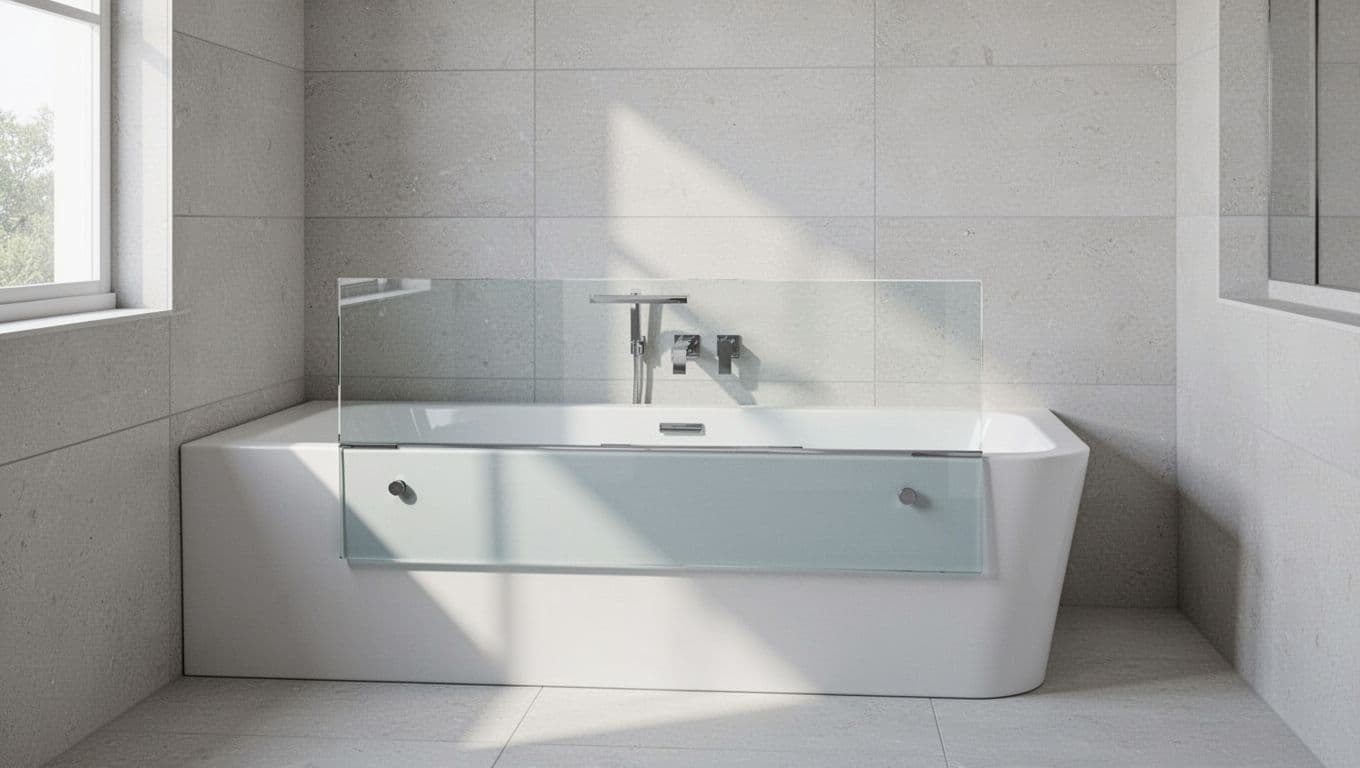
Clear glass is a common choice because it keeps the bathroom bright. Patterned or textured glass adds privacy and can make water spots less noticeable. Still, textured surfaces may need more careful cleaning because mineral residue can collect in the pattern.
For homeowners considering a larger bathroom update, a custom installation can coordinate the panel with other glass features. Caloosahatchee Glass & Mirror provides custom shower glass enclosures, including bathtub enclosure options and glass selected for residential applications.
Fixed or Hinged: Which Panel Works Better?
Choose a fixed panel when you want fewer parts to maintain and a simple, open entry. It suits a tub with a well-positioned showerhead and a layout that doesn't need full-width coverage.
A hinged panel makes more sense when you need a broader opening or stronger control over the entry area. It can also help households where several people use the bathroom differently. The tradeoff is extra hardware that requires occasional inspection and cleaning.
Professional measurement matters for both designs. Walls may not be perfectly plumb, and tub edges can slope slightly. A properly fitted panel reduces gaps, keeps seals aligned, and helps prevent water from reaching the floor.
The Classic Appeal of Shower Curtains
Shower curtains remain practical because they are affordable, easy to change, and available in almost any style. A homeowner can update a bathroom's colors without replacing the tub surround or hardware. Curtains also open completely, which helps when bathing children, washing pets, or assisting someone who needs more room.
Fabric curtains can add softness to a bathroom with hard tile and glass surfaces. Vinyl or polyester liners provide the main water barrier, while decorative fabric curtains sit outside the liner. Some homeowners use a washable fabric liner instead of vinyl, but the material must dry fully between uses.
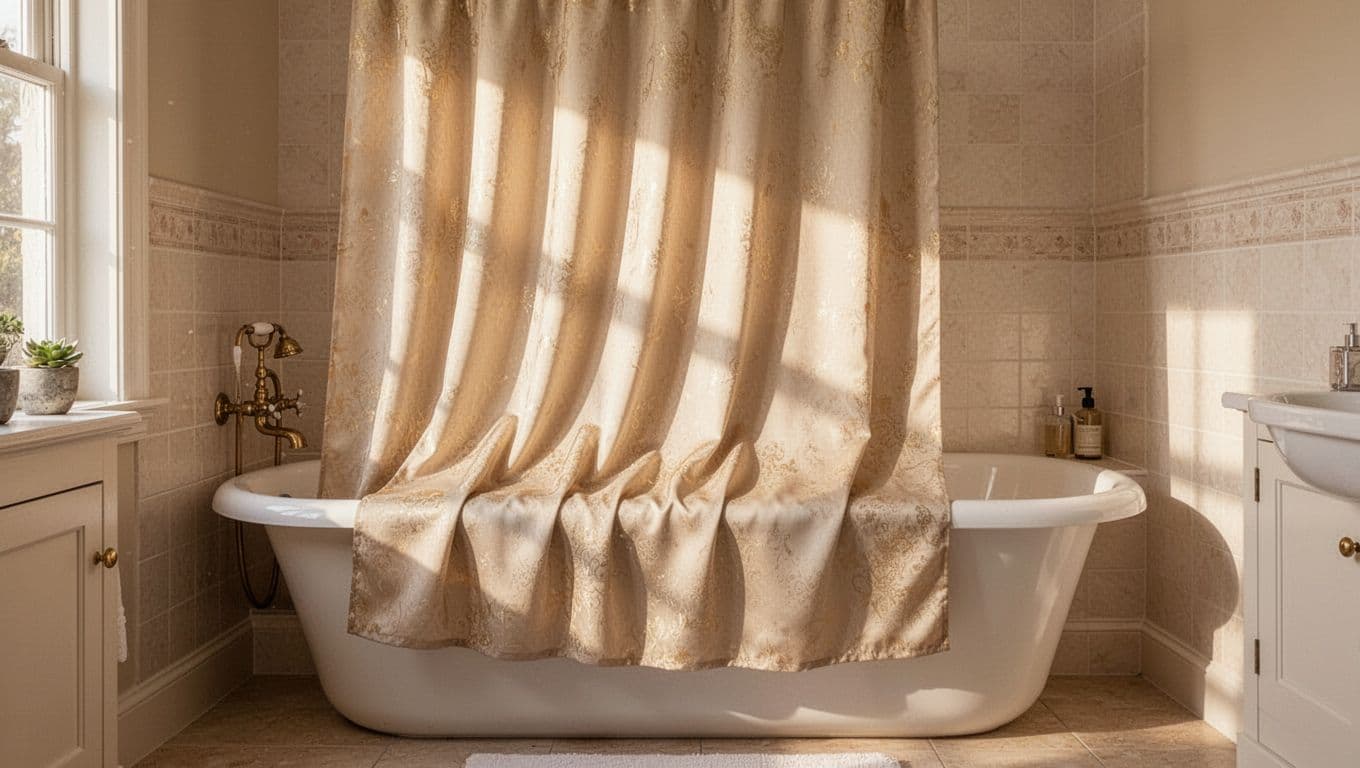
The main weakness is moisture retention. A curtain can bunch at the tub edge, touch the floor, or fold against itself after a shower. Those damp folds create conditions for mildew, especially in humid areas such as Cape Coral and Bonita Springs.
A curtain also moves when air from a fan, vent, or open door passes through the bathroom. That movement can pull the liner away from the tub and allow spray to escape. A weighted liner, properly placed rod, and enough overlap at the ends can improve water control.
Replacement is both an advantage and a recurring task. You can change a liner quickly, but frequent replacement adds expense and waste over time. Washing a fabric curtain helps, although the care label determines whether it can go in a machine.
Moisture, Mildew, and Hard-Water Care in Southwest Florida
Neither option eliminates bathroom cleaning. The difference is where moisture collects and how quickly each surface dries.
Glass panels shed water into the tub, but droplets remain on the glass after a shower. In Southwest Florida, mineral-rich water can leave cloudy spots as it evaporates. A quick squeegee after each use helps prevent buildup. For light residue, use a cleaner made for glass and follow the product directions. Avoid abrasive pads that can scratch the surface.
Hardware and seals need attention too. Wipe the lower edge of the panel, hinge areas, and metal channels so water doesn't sit in narrow seams. Check caulk periodically for cracking, separation, or dark discoloration. A damaged seal can allow water behind the tub edge or onto nearby flooring.
Curtains require a different routine. Pull the liner fully closed while showering, then spread it across the rod afterward. This exposes more surface area to air and helps the folds dry. Leave the bathroom door open when practical, and run the exhaust fan during the shower and for a while afterward. If the fan vents outdoors and operates correctly, it can remove moisture more effectively than a window alone.
For either setup, keep the tub edge clear of bottles and wet bath mats. Clutter blocks airflow and gives mildew more places to grow. Wash fabric curtains and liners according to their care instructions. Replace liners when they remain stained, brittle, or difficult to clean.
Ventilation deserves special attention in coastal homes. A bathroom with no working exhaust fan will keep moisture around longer, regardless of the shower barrier. If condensation remains on mirrors and walls long after bathing, address airflow before choosing between a panel and curtain.
| Maintenance task | Glass panel | Shower curtain |
|---|---|---|
| After each shower | Squeegee or wipe the glass | Spread the curtain open to dry |
| Weekly | Clean glass, seals, and hardware | Wash or wipe the liner |
| Monthly | Inspect caulk and hinge movement | Check for mildew, tears, and odors |
| As needed | Remove mineral residue with a suitable cleaner | Replace a damaged or permanently stained liner |
The takeaway is simple: glass reduces fabric-related mildew risk , while curtains hide fewer water spots but need more frequent washing or replacement.
Which Option Fits Your Bathroom?
Start with the way you use the tub. If the bathtub mainly functions as a shower and you want a cleaner architectural look, glass bathtub panels may be the better fit. A fixed panel keeps the design simple, while a hinged panel offers a wider entry.
A curtain may suit a family bathroom that needs full access to the tub. It also works well for renters, temporary updates, or homeowners who want to change the room's appearance without a permanent installation. For a guest bathroom with limited use, the lower upfront commitment can be appealing.
Next, look at the bathroom's ventilation. A glass panel makes wiping easy, but it still needs drying to control hard-water marks. A curtain needs enough airflow to dry fabric and liner surfaces. Poor ventilation increases maintenance for both choices.
Measure the layout before making a decision. Note the showerhead location, tub length, nearby vanity, toilet clearance, and direction of any hinged panel. A panel that swings into a vanity or narrow walkway won't be comfortable. Also consider who uses the tub. Children, older adults, and anyone who needs assistance may benefit from the wider opening of a curtain or hinged design.
Style matters, but function should lead. Clear glass pairs well with tile and makes a bathroom feel open. Patterned glass adds privacy. Curtains offer more color, texture, and seasonal flexibility.
Finally, consider installation quality. A glass panel needs secure mounting, correct clearances, and seals suited to the tub and wall conditions. Homeowners in Estero, Naples, and Fort Myers can request a professional measurement before selecting the final configuration. That step helps prevent water-control problems caused by an attractive panel in the wrong size or position.
Conclusion
Glass bathtub panels offer a durable, open look with strong splash control, while shower curtains provide flexibility, easy replacement, and full tub access. Fixed panels need less hardware, and hinged panels create a wider opening. Curtains cost less upfront but demand closer attention to drying and mildew.
For a humid Southwest Florida bathroom, ventilation and routine care will shape the result. Choose glass bathtub panels when you want a lasting upgrade and don't mind wiping mineral spots. Choose a curtain when access, flexibility, and a lower initial investment matter most. The right barrier is the one that matches your bathroom layout and your cleaning habits.