
Naples Window Glazing Bead Replacement: Signs to Watch
A window can look sound while the narrow strip securing its glass is coming loose. In Southwest Florida, a damaged window glazing bead can admit water, create a draft, or let the pane shift before the problem becomes obvious.
The bead is small, but it helps hold the glass at the correct depth inside the sash or frame. Knowing what it does, and when to replace it, helps you avoid confusing it with caulk or glazing putty.
What a Window Glazing Bead Does
A glazing bead is a shaped, removable strip that locks the edge of a glass pane or insulated glass unit into a channel. Most modern vinyl and aluminum windows use snap-in beads, while some wood windows use nailed or clipped stops. Depending on the design, the bead may sit on the interior or exterior side.
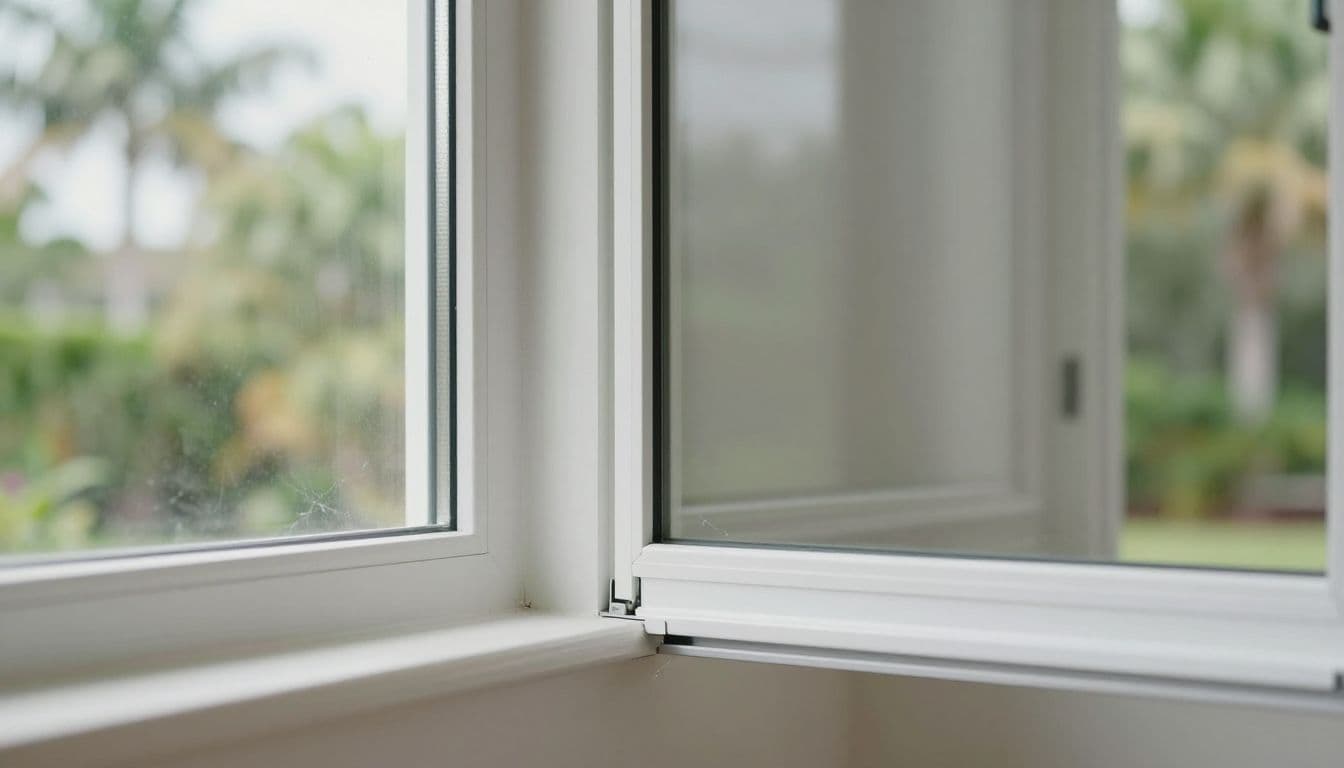
It retains glass without sealing it
Although a window glazing bead helps secure the glass, it does not provide the main weather seal. A sealant is a flexible material, often caulk, that closes joints against air and rain.
Glazing putty is a moldable compound found mainly on older wood windows. It seals the glass edge and works with glazing points. The window frame is the larger structural perimeter, while the sash is the movable portion on an operable window.
A small part with a precise fit
The bead's face covers the glass edge, while its legs or barbs grip a groove. Setting blocks beneath the glass carry its weight, so the bead should not bear it alone.
When the profile fits correctly, the pane sits square and the perimeter stays supported. A poor fit can leave the glass less stable and expose gaps around its edge.
When a Window Glazing Bead Needs Replacement
Damage may start at one corner, especially where sun and rain hit an exposed elevation. Check the bead during routine window cleaning, but do not pry at it or press hard against the pane.
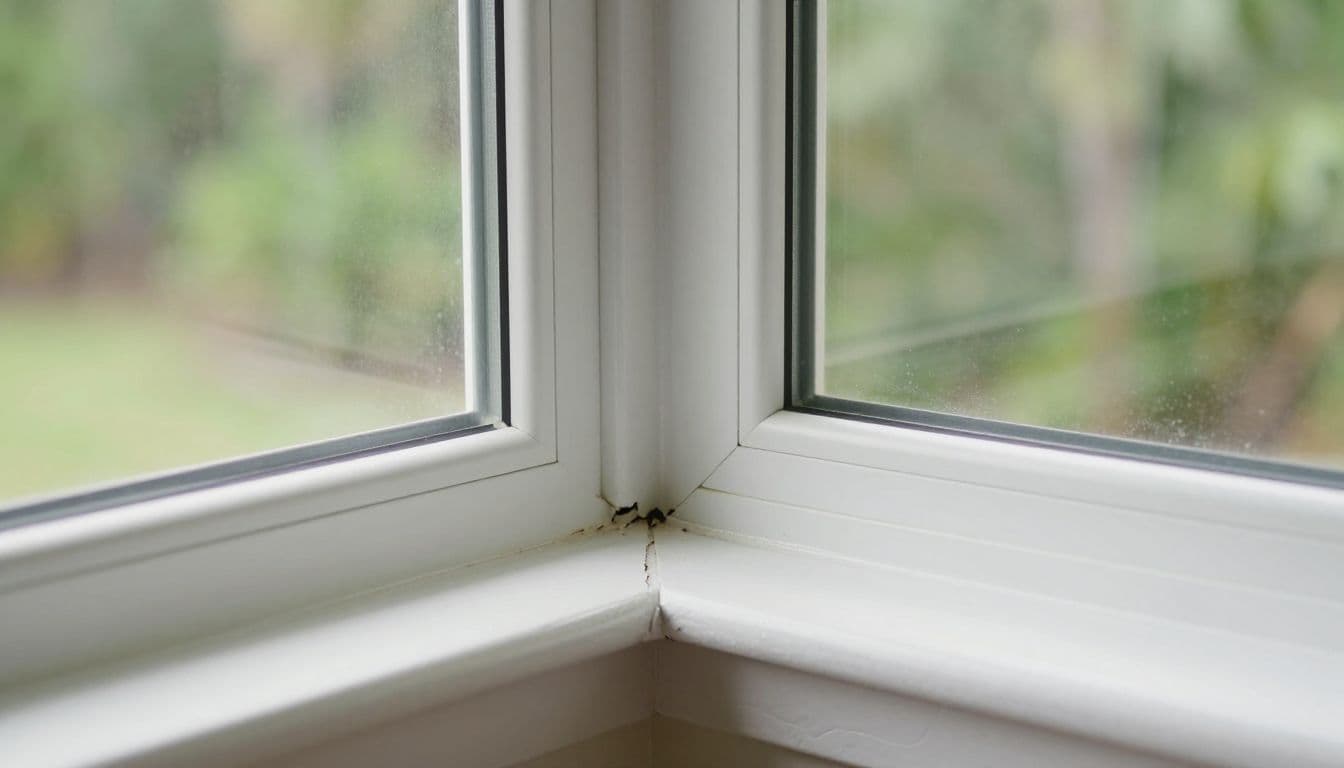
Surface damage and gaps
Look for brittle cracking, fading paired with chalky plastic, bowed sections, or corners that no longer meet. A bead that lifts when touched, rattles, or leaves a visible gap has lost its grip.
That condition reduces glass stability, especially around the corners. On aluminum assemblies, corrosion or a bent retainer can create the same problem.
Water, drafts, and unstable glass
Water staining on the sill, a damp interior edge after rain, or a new draft can point to a failed perimeter system. Small openings can allow water intrusion behind trim and into the wall area.
However, fog trapped between two panes usually means the insulated glass unit's internal seal has failed. A replacement bead alone will not correct that issue. If the glass moves, clicks, or looks uneven in its opening, stop using the window until it is inspected.
Southwest Florida Weather Speeds Up Wear
Heat, ultraviolet exposure, humidity, and wind-driven rain all affect exposed window parts. In Naples and Bonita Springs, salt residue may collect on exterior components near the coast.
Homeowners in Fort Myers, Cape Coral, Estero, Lehigh Acres, and Punta Gorda should also inspect windows after major storms. Debris strikes and frame flexing in high winds can shift a bead or open a corner gap.
Check after heavy weather
After a storm, inspect windows from indoors and outdoors at ground level. Photograph gaps, moisture, or movement before scheduling a repair, especially when you need to document storm damage.
Older windows deserve closer attention because replacement parts may be discontinued and plastics become less flexible over time. Regular cleaning with mild soap and water makes gaps easier to spot. Avoid solvents, harsh abrasives, and paint buildup, which can damage a vinyl or rubber-like retainer.
A bead that looks intact can still be unsafe if it no longer holds the glass firmly at the corners.
Match the Replacement Bead to the Window
Window glazing bead replacement is not a one-size-fits-all repair. Face width, lip shape, barb position, corner construction, material, color, and orientation vary by manufacturer and window series.
The correct replacement profile must match the window manufacturer, series, and frame channel. Even two white vinyl strips can look similar but lock into different grooves.
Find the manufacturer and window details
Start with the manufacturer's name, model information, and any markings on the glass or hardware. Clear photos of the bead, frame profile, and window opening help identify the right part.
A technician may also measure the glass thickness and check setting blocks, gaskets, and drainage paths before ordering a replacement. Those details prevent a new bead from masking a larger problem.
Know when to call a professional
Professional evaluation is the safer choice when glass is loose, cracked, difficult to remove, or installed above ground level. Removing the wrong bead can release the pane, damage the insulated unit, or break an adjacent seal.
For a damaged assembly, glass repair and replacement services can determine whether the bead, glass, sash, or more than one part needs work. Do not force a generic replacement strip into the groove. It can distort the frame, leave an open path for water, and make later repairs harder.
A Secure Fit Protects the Whole Window
A glazing bead may be narrow, yet its job is straightforward: keep the glass seated and protected at its perimeter. Cracks, warping, gaps, water intrusion, drafts, and movement deserve prompt attention before the glass becomes a safety concern.
The right repair starts with the exact window profile, not a close-looking substitute. With a correct match and a careful inspection, your window glazing bead can keep the pane seated as intended.
If you notice a loose pane or moisture after rain, avoid further pressure on the window. A qualified assessment can separate a simple bead replacement from a glass or sash repair.