
Shower Glass Warranty Questions for Fort Myers Homes
A shower glass warranty can protect your investment, but only if you know what it covers before installation begins. Many homeowners assume every crack, leak, or loose hinge falls under one guarantee. In practice, coverage may come from the glass manufacturer, the installer, or both.
Homeowners in Fort Myers, Cape Coral, Naples, and nearby communities should ask direct questions about defects, workmanship, maintenance, and service calls. Clear answers now can prevent confusion if a problem appears later.
What a Shower Glass Warranty Usually Covers
Warranty terms vary by glass manufacturer and installation company. Some cover manufacturing defects in the glass, while others apply only to hardware or specific components. The written warranty should identify each covered part and the length of coverage.
Before approving a custom enclosure, ask for the complete warranty document. A verbal promise may sound reassuring, but written terms show exactly what the company agreed to provide.
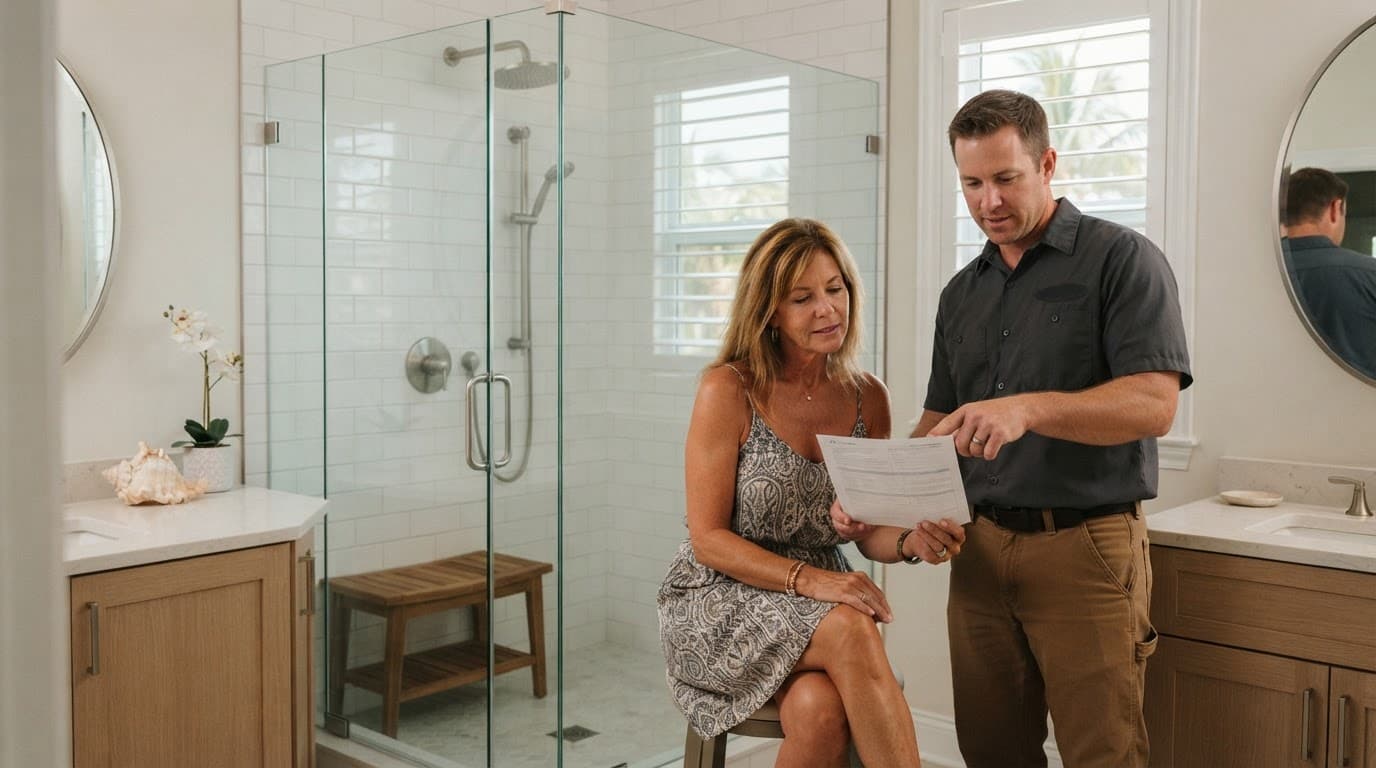
Does the glass itself have manufacturer coverage?
Ask whether the glass manufacturer covers defects in materials or production. The answer may depend on the glass type, thickness, treatment, and product line.
Tempered shower glass is designed for safety, but a warranty may not cover damage caused by impact, improper cleaning, building movement, or later alterations. Some claims may also require an inspection before the glass is replaced.
Ask these questions before signing:
- What glass defects qualify for coverage?
- Does the warranty cover replacement glass, labor, or both?
- Who contacts the manufacturer if a defect appears?
- Does coverage transfer if you sell the home?
- Are custom-cut panels covered under the same terms?
If you choose a custom design, discuss the glass specifications on the estimate. Caloosahatchee Glass & Mirror provides custom glass shower enclosures for homeowners who need panels fitted to the room's exact dimensions.
Are hardware, seals, and finishes included?
A shower enclosure includes more than glass. Hinges, handles, clips, channels, sweeps, seals, and other parts can have separate coverage.
Ask whether the warranty covers loose hardware, defective hinges, leaking seals, or finish problems. Chrome, brushed nickel, matte black, and other finishes may have different care requirements. A seal or sweep may also be treated as a replaceable maintenance item rather than a long-term warranty component.
Find out whether the company will adjust or replace a part at no charge. Also ask whether you must use a particular cleaning method to preserve the finish.
Who Handles Installation Problems?
A shower glass warranty and an installation guarantee are not always the same thing. The manufacturer typically controls product coverage. The installer usually controls workmanship coverage.
That distinction matters when a door drags, a panel shifts, or water escapes near the bottom. The issue may involve the product, the installation, the bathroom structure, or normal maintenance.
How does workmanship coverage differ from product coverage?
Workmanship coverage applies to the installation itself. It may address incorrect measurements, poor alignment, loose fittings, or installation-related leaks. Each company sets its own terms, so don't assume the coverage lasts as long as the glass warranty.
Ask the installer:
- How long is workmanship covered?
- Does the guarantee include labor and replacement parts?
- What qualifies as an installation error?
- Who pays for a service visit if the problem isn't covered?
- Will the company inspect the enclosure before deciding?
For example, a door that doesn't close because the hinges were installed out of alignment may be an installation issue. A door damaged by a later impact is a different matter.
A written warranty should identify who handles the claim, not merely state that the work is guaranteed.
What happens if the enclosure leaks?
Small amounts of water can escape when someone sprays directly toward the door or leaves the enclosure open. A persistent leak at a hinge, seal, or panel connection may require inspection.
Ask where the installer considers normal splash, drainage, and water containment limits. Frameless enclosures have small clearances by design, so they aren't completely watertight. The shower layout, floor slope, door swing, and showerhead position all affect performance.
Also ask how soon you should report a concern after installation. A company may want to correct alignment or adjust a sweep before the issue causes damage to nearby materials.
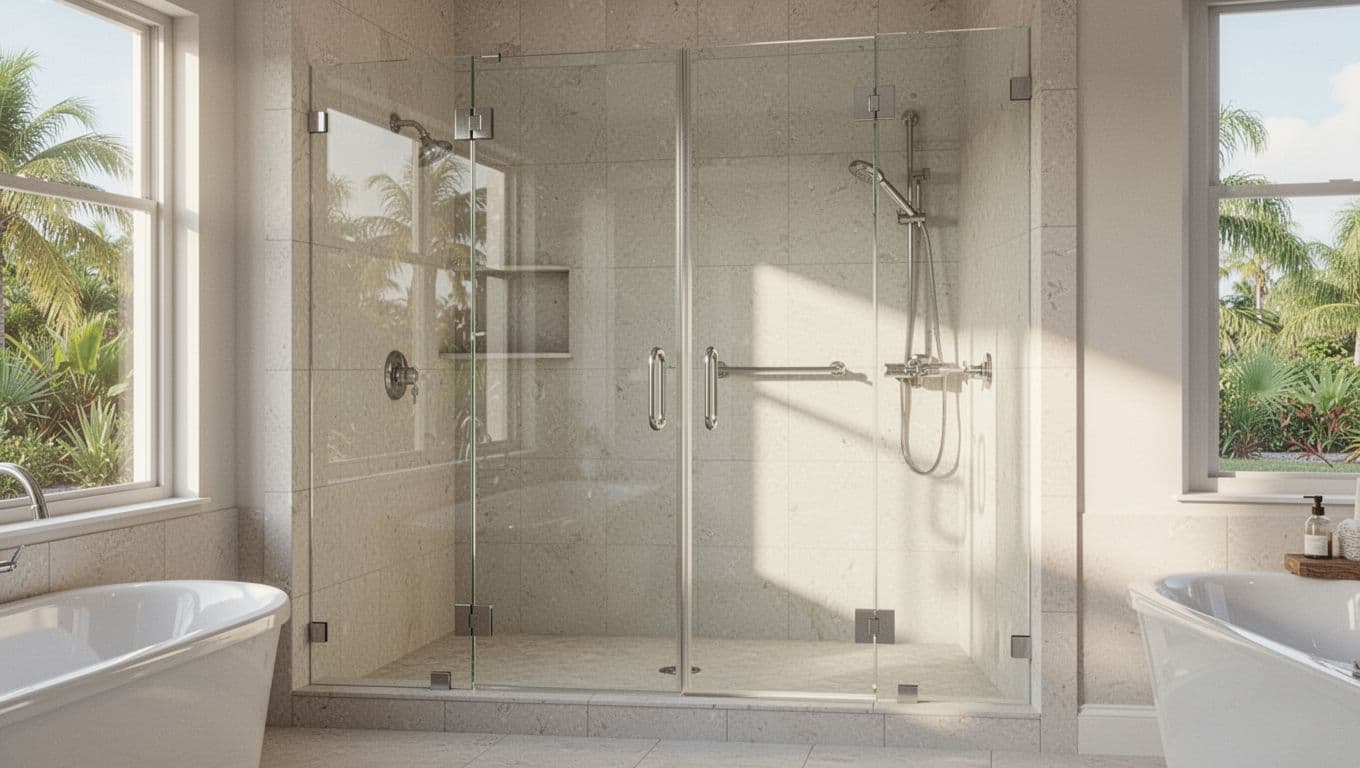
Questions to Ask Before Signing the Contract
The best time to discuss warranty coverage is before fabrication and installation. Your estimate, contract, and warranty should use consistent language. If a salesperson makes a promise that doesn't appear in the paperwork, request a revised document.
Is the warranty provided in writing?
Request a copy of the warranty before work starts. Read the sections covering duration, exclusions, claim procedures, and labor. Pay attention to words such as "limited," "defect," "normal wear," and "improper use."
Ask the company to explain any sentence you can't understand. Then request written clarification when the answer affects your decision.
The paperwork should also identify the responsible parties. Ideally, you should know whether to contact the installer, glass supplier, hardware manufacturer, or another service department.
Keep the final contract, drawings, product information, receipts, and installation date together. These records can help establish what was installed and when coverage began.
What maintenance could void the coverage?
Most shower glass warranties require reasonable care. Ask which cleaners are allowed and which ones can damage glass treatments, metal finishes, seals, or caulk.
A maintenance discussion should cover:
- Whether a squeegee is recommended after use.
- Which products can safely clean the glass and hardware.
- Whether abrasive pads or harsh chemicals are prohibited.
- How often seals, sweeps, and caulk should be checked.
- Whether a protective coating has separate care instructions.
Hard-water deposits are common in Southwest Florida. Mineral buildup may look unattractive, but it isn't always considered a product defect. Salt carried through coastal air can also affect metal finishes when residue remains on the surface.
Ask whether the installer offers a glass treatment and whether that treatment has its own written terms. Don't assume a coating protects against every stain or eliminates routine cleaning.
What a Shower Glass Warranty May Exclude
Exclusions are often more important than the covered items. They explain why a company may deny a claim even when the enclosure has a visible problem.
A fair warranty doesn't need to cover every possible cause of damage. It should, however, describe the limits in language a homeowner can understand.
Are hard water and coastal conditions covered?
Southwest Florida homes may face mineral-heavy water, humidity, and salty air, especially near the Gulf Coast. These conditions can affect glass appearance, metal surfaces, caulk, and seals over time.
Ask whether the warranty covers corrosion, spotting, discoloration, or damage caused by cleaning residue. In many cases, routine care is the homeowner's responsibility. Coverage may also exclude problems caused by poor bathroom ventilation or standing water.
Homes in Bonita Springs, Estero, Naples, and Punta Gorda can have different water and exposure conditions. The installer should explain which maintenance steps fit your bathroom, rather than giving you a vague promise of permanent protection.
Does coverage include accidental breakage or later changes?
A warranty generally doesn't cover impact damage from bottles, tools, furniture, or other objects. It may also exclude damage caused by drilling into the glass, moving hardware, installing a new showerhead, or changing the surrounding tile.
Ask what happens if another contractor works near the enclosure. A bathroom remodel can affect wall support, tile alignment, floor slope, or door clearance. Those changes may make a later problem difficult to separate from the original installation.
You should also ask about home movement and substrate conditions. Uneven walls, settling, loose tile, or inadequate backing can affect an enclosure after installation. Confirm whether the installer inspected these conditions and whether the contract identifies any existing limitations.
If glass breaks, keep people away from the area and contact a qualified glass professional. Avoid trying to remove panels or repair hinges yourself. For damage that falls outside warranty coverage, shower glass repair and replacement may be the appropriate service.
How to Make a Warranty Claim
A clear process can save time when something goes wrong. First, contact the party named in the written warranty. Describe the problem accurately and avoid making repairs before the company inspects it.
Take dated photos of the glass, hinges, seals, water pattern, and surrounding surfaces. Keep copies of your contract, invoice, maintenance records, and previous service notes. These details help show whether the issue involves a defect, installation, damage, or normal wear.
What information should you provide?
A useful claim usually includes:
- The installation date and property address.
- A description of when the problem started.
- Photos or videos that show the issue clearly.
- The product or enclosure details listed on your paperwork.
- A record of any cleaning, adjustments, or repairs already performed.
Mention whether the problem is getting worse. A loose hinge, cracked seal, or dragging door may need prompt attention even if the enclosure remains usable.
What should you expect during an inspection?
The installer may check panel alignment, hinge tension, seals, wall support, floor slope, and signs of impact. They may also review how the enclosure has been cleaned and whether later work changed the surrounding area.
Ask for the inspection result in writing. If the claim is denied, request the reason and the warranty section that supports the decision. If the company approves the claim, confirm what it will replace, who pays for labor, and when the work will occur.
Warranty service should leave you with a clear record. Save the final service note with the original installation documents.
Conclusion
A shower glass warranty is easier to use when you understand the difference between a defective product and an installation problem. Ask about the glass, hardware, seals, workmanship, maintenance, exclusions, and claim process before you approve the work.
Homeowners throughout Fort Myers, Cape Coral, Lehigh Acres, and neighboring Southwest Florida communities should get unclear promises in writing. A detailed contract won't prevent every problem, but it can make responsibility clear when a shower door leaks, shifts, or needs a replacement part.