
Single-Pane vs. Insulated Glass for Older Fort Myers Homes
One pane of glass can leave an older Florida home working harder than it should. Choosing the right insulated glass older homes can use depends on the existing frame, the climate, and the storm protection you need.
In Fort Myers and nearby communities, replacing the glass may improve comfort, yet the best project could be a sash repair or a full-window replacement. Single-pane and insulated glass both have legitimate uses. The right decision starts with heat, humidity, air leakage, frame condition, noise, UV exposure, and preservation requirements.
What Makes Single-Pane and Insulated Glass Different?
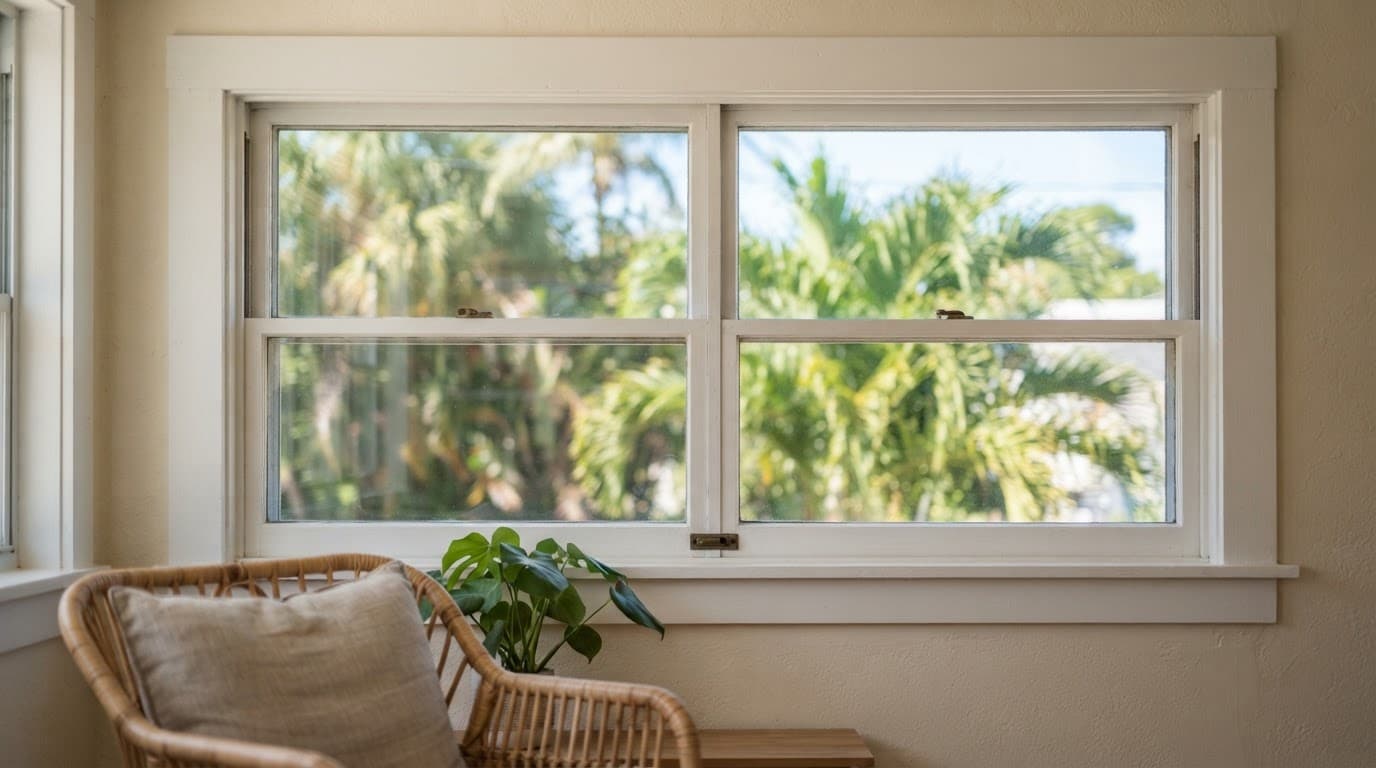
Single-pane glass contains one sheet of glass between the room and the outdoors. Many older windows use this design because it is simple to repair and often matches the original character of the property. However, a single pane transfers outdoor heat readily and provides limited protection against sound, UV rays, and temperature changes.
An insulated glass unit, often called an IGU, contains two panes separated by a spacer. The sealed space between the panes contains air or an insulating gas, such as argon. Many units also include a low-emissivity, or low-e, coating that helps control radiant heat.
Original character versus modern performance
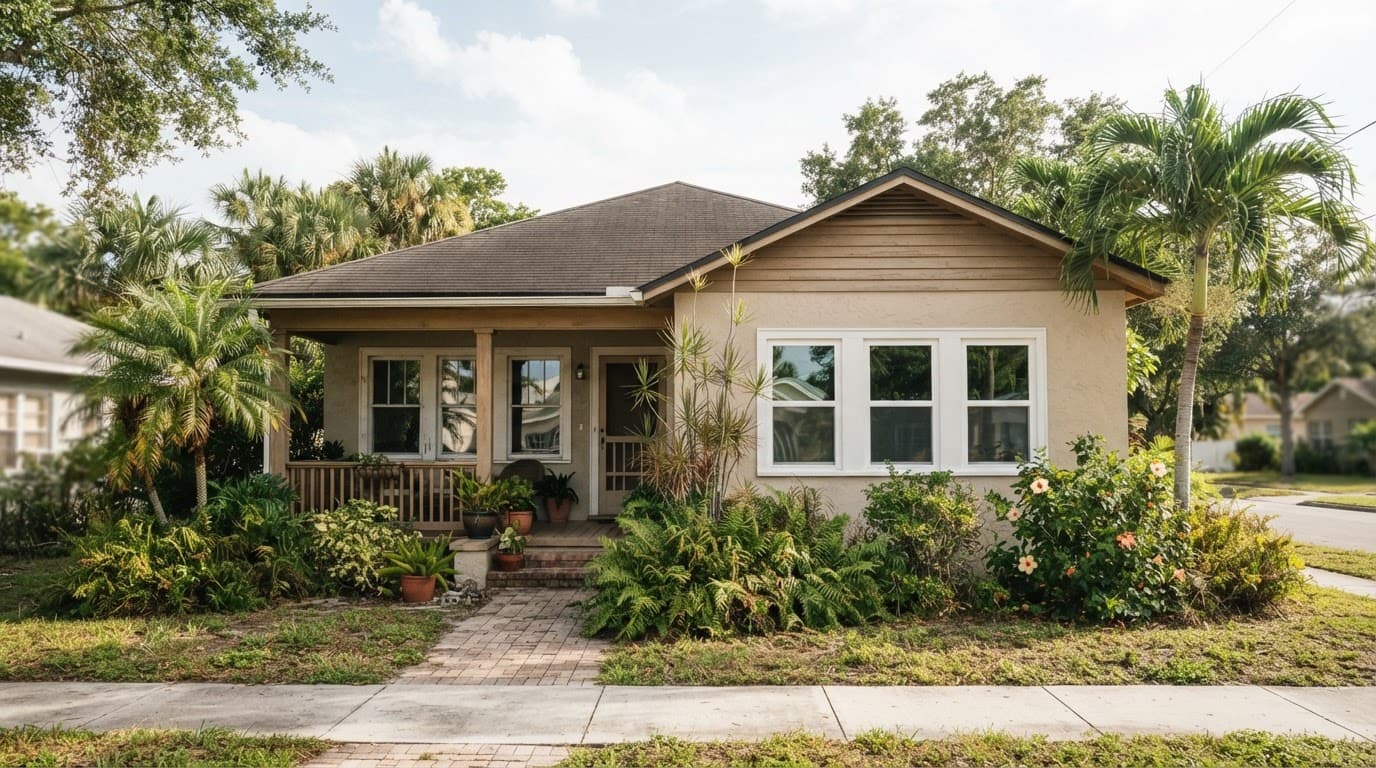
Older homes in Naples may have wood sash windows, narrow sightlines, divided panes, or decorative trim that newer replacement windows don't match. Keeping the original frame can protect the home's appearance and reduce the amount of construction.
Insulated glass can improve comfort near the window, but it is thicker and heavier than single-pane glass. The existing sash, glazing stops, balances, hinges, and frame must support the new unit. A glass upgrade isn't automatically compatible with an old opening.
Insulated glass isn't automatically impact-rated
Standard insulated glass helps with heat transfer, but it doesn't necessarily meet hurricane-impact requirements. Impact-rated products use specially tested glass and framing systems. Many include laminated glass, which holds together better after a break.
The rating applies to the complete tested assembly, not only to the glass. Insulated glass older homes can use is not always impact-rated, so ask for the product's approval information when storm protection matters.
Insulated Glass Older Homes Can Use Without Full Replacement
Some older windows can accept replacement insulated glass while keeping the existing frame. This approach can preserve interior trim and exterior details, but the frame must have enough depth and strength for the IGU.
A glass professional will measure the sash and check the glazing system before recommending this option. The assessment should include the opening's square, drainage paths, fasteners, stops, and weather seals. If the frame has shifted or the sash has weakened, new glass alone may not solve the problem.
Heat and air-conditioning loads
Southwest Florida homes receive intense sun for much of the year. Single-pane windows can develop hot interior surfaces, especially on east-, south-, and west-facing walls. That heat increases discomfort and may cause the air conditioner to run longer.
Low-e insulated glass can reduce heat transfer and solar gain. The glass specification matters, though. U-factor measures how readily heat moves through the assembly, while solar heat gain coefficient, or SHGC, indicates how much solar radiation enters.
Lower numbers aren't automatically right for every window. A professional should match the glass to the home's orientation, shading, frame, and cooling needs. Better glass may reduce cooling demand at certain times, but no responsible installer can promise a fixed utility-bill reduction.
Humidity and condensation
Insulated glass doesn't remove moisture from the air. Your air-conditioning system, ventilation, and indoor humidity control still determine how damp the home feels.
In a hot, humid climate, temporary condensation can appear on the exterior of an efficient window. The outdoor air is humid while the outer glass surface becomes cooler. Exterior moisture often clears as conditions change.
Moisture between the panes is different. It usually indicates that the sealed unit has failed and needs glass replacement. Interior condensation can point to high indoor humidity, poor air movement, or a very cold glass surface. The surrounding frame and weather seals should be checked as well.
Condensation between the panes is a glass-seal problem. Condensation on the room side may involve indoor humidity or air leakage.
Compare the Other Performance Factors
Heat is a major concern, but glass selection affects several daily comfort issues. This comparison gives a quick starting point.
| Factor | Single-pane glass | Insulated glass |
|---|---|---|
| Heat transfer | Allows more heat through the pane | Slows heat transfer through the sealed space |
| Cooling comfort | Interior glass can feel hot near direct sun | Interior surface usually feels more stable |
| UV exposure | Offers limited UV control | Low-e and laminated options can reduce UV transmission |
| Outdoor noise | Provides limited sound reduction | Can reduce some sound, depending on thickness and spacing |
| Storm protection | Usually needs separate protection | May be available in a tested impact-rated assembly |
| Repairability | Individual panes are often easy to replace | Failed sealed units require IGU replacement |
UV protection and fading
Sunlight can fade hardwood floors, artwork, upholstery, rugs, and painted finishes. Standard insulated glass doesn't block every damaging wavelength. Low-e coatings can reduce some UV transmission, while laminated glass may provide additional protection.
Window coverings still matter, especially on strongly exposed glass. If fading is a concern, ask for the glass performance information rather than relying on the phrase "energy efficient."
Noise reduction
A second pane can reduce some outdoor noise, but the result depends on the glass thickness, air-space width, frame, and perimeter seals. Traffic, generators, pool equipment, and nearby construction produce different sound frequencies.
Laminated glass often provides stronger sound control than a basic double-pane unit. An uneven combination of glass thicknesses may also perform better than two identical panes. If a frame leaks air around the sash, upgraded glass won't solve the entire noise problem.
Impact options for Southwest Florida
Storm protection deserves careful attention in Cape Coral, especially for homes with large openings or exposed elevations. A standard double-pane unit may improve comfort without meeting the requirements for windborne-debris protection.
Ask whether the proposed product is impact-rated, whether the frame is part of the tested assembly, and whether the installation method matches the product approval. A non-impact IGU may still require approved shutters or another protection system, depending on the project and local requirements.
Check the Window Frame Before Choosing the Glass
The glass is only one part of the window. An old frame can limit performance even when the new pane has excellent specifications.
Wood frames need a close inspection
Look for soft wood at the sill, peeling paint, water stains, loose joints, and sash movement. Small areas of damage may be repairable, especially when the frame remains square and dry.
Rot that extends into the sill, jamb, or structural portion of the opening changes the decision. Installing a heavier IGU into damaged wood can create new stress and shorten the life of the repair.
Aluminum and other frames have different limits
Older aluminum frames are often durable, but they conduct heat more readily than modern thermally improved frames. Check for corrosion, loose corners, worn rollers, damaged glazing stops, and blocked weep holes.
The frame may also be too shallow for an insulated unit. A replacement sash or complete window may provide a better fit than forcing a thicker pane into the original channel. In Bonita Springs and Estero, homes with older coastal construction may also need an inspection for salt-related corrosion.
Historic appearance can affect the answer
If the property is designated as historic or sits within a regulated district, check preservation requirements before changing the window design. Rules may address exterior trim, muntin patterns, frame material, or visible sightlines.
A glass-only repair or carefully rebuilt sash may preserve more of the original appearance than a full replacement. Photographs, old plans, and a condition report can help guide the decision.
Repair, Sash Replacement, or a New Window?
The least invasive solution often makes sense when the original frame is sound. A more complete replacement becomes practical when the opening, sash, or frame has reached the end of its serviceable life.
Repair or replace one single-pane section
A cracked single pane, loose glazing compound, damaged putty, or worn weatherstrip may need a focused repair. This option keeps the original frame and can match nearby glass more closely.
The replacement glass still needs to suit the location. Areas near doors, low windows, or other hazardous spots may call for safety glazing. A professional can identify the existing glass and recommend an appropriate replacement.
For cracked windows, failed seals, or other damaged panels, window glass replacement services can be a more practical solution than replacing every window in the home.
Replace the sash or insulated glass unit
A sash replacement can work when the outer frame remains stable but the moving portion has deteriorated. This approach may improve operation while keeping much of the original opening.
Glass-only replacement is another option when the sash and frame can accept the IGU. It often fits homes with fogged or hazy glass caused by a failed seal. The installer must verify the thickness, edge clearance, sealant, and drainage details before ordering the unit.
Choose a full-window replacement
Full replacement is more likely to make sense when the frame has rot, severe corrosion, repeated leaks, poor operation, or inadequate space for the desired glass. It also gives you more choices when you want a complete impact-rated window assembly.
The tradeoff is a larger project. Interior and exterior trim may need alteration, the opening may change slightly, and the installation requires careful flashing and fastening. A full replacement should include a clear scope for disposal, trim work, permits, product approvals, and cleanup.
A Practical Selection Process for Southwest Florida Homes
A window decision becomes easier when you separate the glass question from the frame question. Use these steps before approving a proposal:
- Have each opening inspected. Ask for measurements, frame-condition notes, signs of water intrusion, and an explanation of whether the existing sash can support an IGU.
- Set your main priority. Comfort near sunny windows, lower heat transfer, noise control, UV protection, storm protection, historic appearance, and a limited repair budget can lead to different choices.
- Request the full glass makeup. The proposal should identify pane thickness, low-e coating, spacer, gas fill if included, laminated layers, and whether the assembly is impact-rated.
- Compare the installation scope. Check whether the quote covers sash work, frame repair, trim, flashing, fasteners, permits, disposal, and warranty terms. Two proposals can describe "replacement" while covering very different work.
- Check local requirements before ordering. A property in Lehigh Acres may have different exposure and opening conditions than a coastal home in Punta Gorda. Product approval and permit questions should be settled before fabrication.
- Protect original details when they matter. If the frame is part of the home's character, ask whether repair, reglazing, or sash replacement can meet your performance goals without removing the entire window.
A site visit also helps identify problems that glass alone cannot fix. Gaps around the frame, damaged stucco, failed sealant, roof leaks, and poor drainage can continue causing discomfort or water damage after a pane upgrade.
The Right Choice Depends on the Whole Opening
Single-pane glass remains a sensible choice for limited repairs, historically accurate restorations, and sound frames that don't support a thicker unit. Insulated glass usually offers better control of heat transfer, comfort, UV exposure, and some outdoor noise, but it requires a compatible sash and frame.
For older homes in Southwest Florida, impact-rated options deserve a separate conversation. Standard insulated glass can improve performance without providing storm protection, while a complete impact-rated assembly may require a larger investment and more extensive installation work.
The right insulated glass older homes can use is the one that fits the opening, matches the home's priorities, and meets applicable requirements. A careful inspection prevents you from paying for glass that the existing window cannot support.
Conclusion
The single-pane versus insulated glass decision isn't universal. Start with the condition of the frame, then compare heat control, humidity behavior, UV protection, noise reduction, storm requirements, and preservation goals.
A repair may be enough for one damaged pane. Another opening may need a replacement sash or a complete impact-rated window. For an older Fort Myers home, the strongest result comes from matching the glass and installation method to the actual condition of each opening, not treating every window as the same project.