
Skylight Glass Damage: Repair Clues for Naples Homes
A thin line across your skylight or a ceiling stain after rain deserves attention, safely from indoors. For Naples homeowners, skylight glass damage can resemble a failing seal or a leak around the roof opening.
The location of a crack, moisture, or discoloration offers useful clues, but it doesn't establish the cause. Your first priority is safe observation , especially when damaged glass sits overhead.
Start with what you can see without touching the skylight or climbing onto the roof.
Visible clues of skylight glass damage
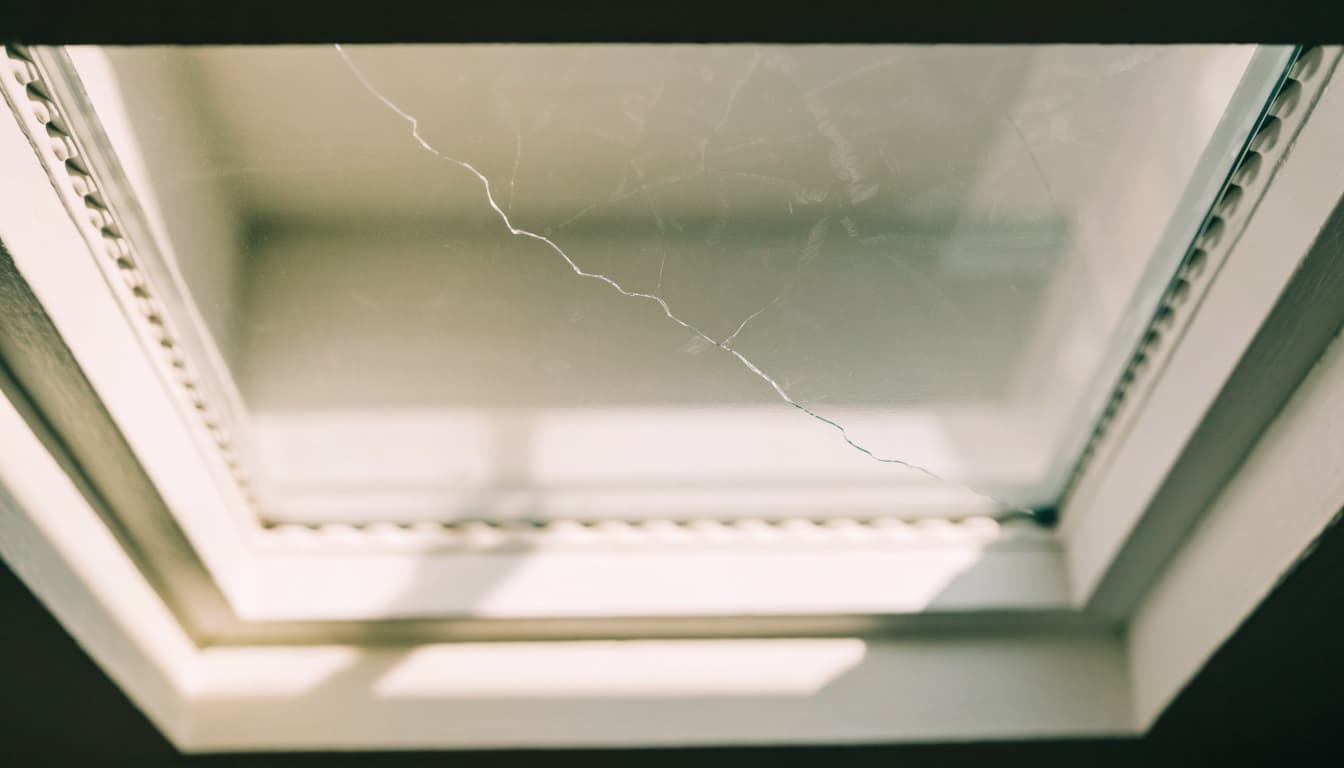
Cracks, chips, and missing glass
Look for a continuous line through the pane, branching fractures, or a small area where glass appears missing. A chip near the edge can be difficult to spot because the frame partly hides it.
However, a crack's shape alone doesn't prove whether impact, temperature changes, or another condition caused it. A professional needs to inspect the glass and its supporting assembly.
Even a short crack deserves assessment. Don't press against the pane to test its strength or trace the line with your finger. Instead, photograph it with your phone's zoom while standing outside the area directly beneath damaged glass.
Scratches and reflections can look similar
A surface scratch, reflected roofline, or streak of dirt can resemble a crack from below. Observe the same area from another safe position and under different daylight conditions.
A reflection may move as your viewing angle changes. Nevertheless, that simple observation cannot reliably rule out a fracture.
Some tempered or insulated glass also shows mild reflection distortion. New clouding, a persistent sharp line, or a change accompanied by moisture needs closer assessment. Describe what you see without trying to identify the glass type from its appearance.
Clouding and condensation need different checks
Moisture on an exposed surface
Droplets on the room-facing surface can form when humid indoor air meets cooler glass. Bathrooms and kitchens can contribute moisture, although condensation can occur elsewhere.
Exterior condensation can also appear during humid weather. For homeowners in Cape Coral, morning droplets that disappear as conditions change aren't automatically evidence of damaged glazing.
From floor level, note whether moisture appears temporary or stays in the same place. Don't reach overhead to wipe the pane, particularly if you suspect cracking. If the surface isn't safely accessible, leave the location of the moisture for a professional to confirm.
Fog or droplets between panes
With insulated glass, a persistent milky haze or droplets trapped between panes can suggest deterioration of the sealed unit. Because that space is enclosed, ordinary surface cleaning won't remove moisture inside it.
Look for clouding that remains through several changes in weather or daylight. A hazy patch can also come from exterior deposits or surface contamination, so appearance alone isn't conclusive.
Record whether the haze covers the whole pane or concentrates near an edge. Also note whether it accompanies a crack or ceiling leak. These observations help separate a possible insulated-glass problem from other conditions without treating fogging as proof of the cause.
Water stains reveal a problem, not its entry point
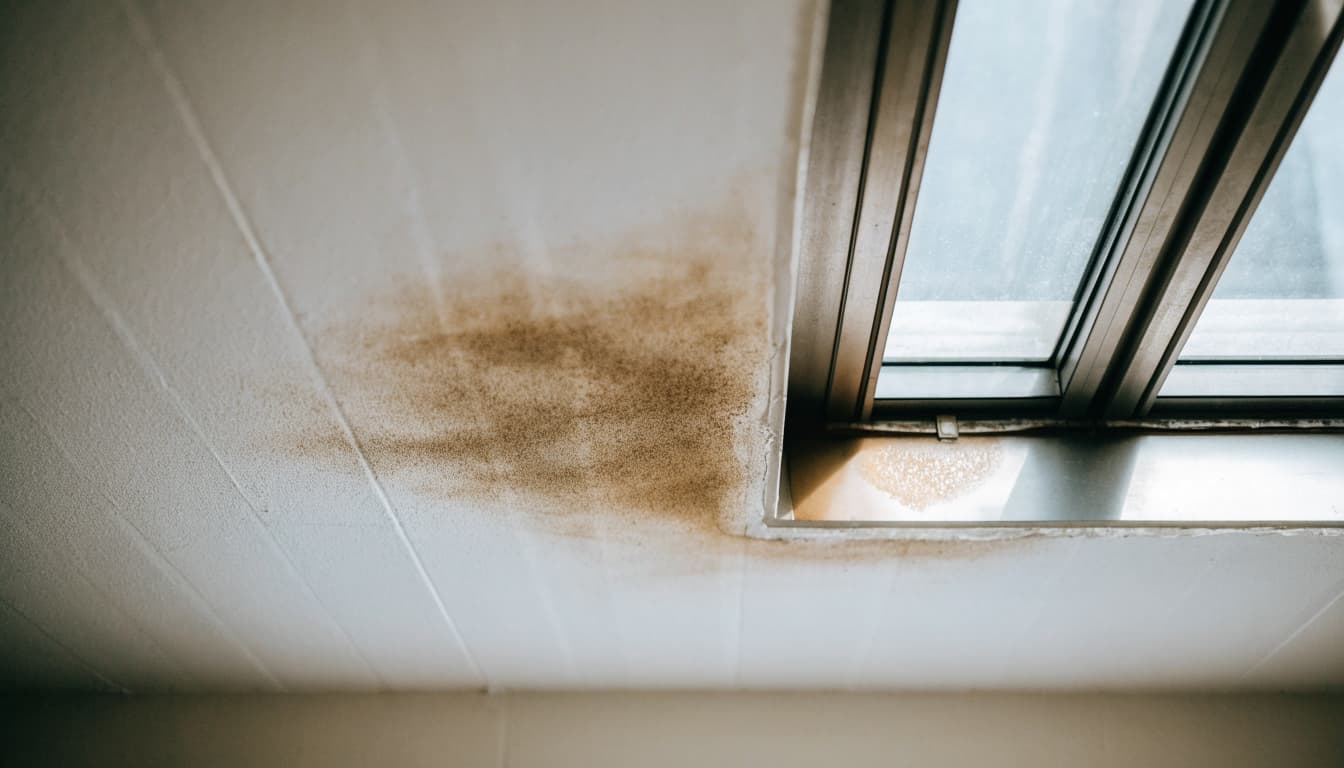
Brown rings, peeling paint, damp drywall, or dripping around the skylight deserve inspection. Meanwhile, swelling trim or a musty smell can indicate moisture that isn't obvious during dry weather.
A stain near the skylight doesn't establish that water passed through broken glass. Water can travel along roof components before becoming visible inside.
The place where water appears on the ceiling may differ from the place where it entered the roof.
For a Bonita Springs home, useful observations include whether the problem appears during wind-driven rain, ordinary rainfall, or dry weather. Note the first visible wet spot and whether it grows during the storm.
Also distinguish an old, dry mark from fresh dampness. An unchanged stain still merits attention if nobody has confirmed and corrected its source.
Don't repaint the area before documenting it. Photos taken before, during, and after rain can help an inspector understand the pattern. However, don't remain beneath cracked glass or a sagging ceiling to collect pictures.
If water reaches a light fixture or other electrical equipment, keep clear and seek professional help. Don't touch wet switches or fixtures.
Flashing and seals have different jobs
Flashing connects the skylight to the roof
Flashing helps direct water away from the joint between the skylight and roofing. Problems with flashing, surrounding roofing, or the raised curb can allow leakage even when the pane looks intact.
These components generally require exterior inspection. A homeowner's indoor observations can identify symptoms, but they cannot confirm the condition of roof-level details.
Therefore, a skylight leak may need a roofing professional as well as a glass specialist. Replacing glass without addressing a separate roof connection problem may leave water intrusion unresolved.
A glass seal differs from a weather seal
The edge seal of an insulated glass unit closes the space between its panes. Other seals or gaskets help manage water and air around the glazing or frame.
Because these parts perform different functions, fogging between panes and rainwater around the frame call for different checks. Some projects involve more than one failed component.
For an Estero homeowner, asking which seal needs attention is more useful than requesting a general "reseal." Avoid applying household caulk around accessible trim. An unplanned bead can conceal evidence or interfere with drainage without correcting the source.
What to do safely before an inspection
Stay off the roof , even when the skylight looks easy to reach. Sloped surfaces, wet roofing, fragile components, and storm debris create hazards unrelated to the size of the crack.
Don't handle cracked glass, remove glazing retainers, or attempt an overhead patch. Tape, resin, and household sealants aren't substitutes for evaluating damaged architectural glass.
While arranging help, keep your actions simple:
- Keep people and pets away from the area beneath visibly cracked or loose glass.
- Photograph the condition from a safe indoor position, without moving furniture to create a climbing platform.
- Write down when you first noticed the problem and whether rain or changing weather affects it.
If glass has already fallen, restrict access rather than walking through fragments. Ask the responding professional how to manage the area safely.
Likewise, a sagging ceiling or shifting skylight frame calls for prompt attention. Protect belongings only when you can do so without entering the hazardous area.
In coastal communities such as Punta Gorda, report any corrosion you can already see from a safe location. Don't climb up to investigate fasteners or remove trim for a better view.
Repair options depend on the whole assembly
When a focused glass replacement may be possible
Damaged glazing doesn't automatically require replacing the entire skylight. Depending on its construction, a sound frame and compatible replacement components may allow a narrower repair.
For insulated glazing, a professional may evaluate replacement of the sealed glass unit rather than one individual layer. Whether that approach fits your skylight depends on the product and its condition.
Caloosahatchee Glass & Mirror lists glass repair and replacement services, including insulated glass replacement and fogged window glass. Ask the team whether your particular skylight is within its service scope before arranging work.
A visible pane measurement isn't enough to order replacement glass. The installer must verify fit, compatibility, and applicable safety requirements.
When the frame or roof connection needs attention
A deteriorated frame, damaged supporting structure, or leakage around the opening can require work beyond glazing. An inspection should establish which components remain usable before anyone recommends a repair.
Overhead glazing also needs the appropriate safety review. Safety glazing and hurricane-impact protection are separate considerations, so neither should be assumed from appearance.
For a project in Lehigh Acres, confirm applicable local permit procedures and product requirements before ordering materials. Once work is complete, the installer should check alignment, visible gaps, and operation where applicable. Weather sealing must follow the assembly's requirements, rather than a generic caulking approach.
Bring useful details to your estimate
Before calling, gather existing paperwork, the approximate installation age, and any safely available manufacturer or model information. Don't climb onto the roof to find a label.
Photos should show both the suspected glass problem and the surrounding ceiling or trim. Include your notes about rainfall, persistent haze, and earlier repairs. Also mention whether the skylight opens and whether its operation recently changed, without testing damaged components.
Ask the professional to explain whether the concern involves glazing, an insulated unit, frame seals, or roofing. If another trade needs to inspect the roof connection, clarify who will coordinate that work.
The written estimate should identify the proposed scope and any conditions that need further investigation. That helps you compare recommendations without assuming every quote addresses the same problem.
Caloosahatchee Glass & Mirror is a fourth-generation, family-owned company in Fort Myers. You can request a glass repair estimate or call (239) 334-2690 to discuss the condition and confirm whether the team can assess your skylight.
Key Takeaways
- Cracks, chips, and persistent clouding deserve evaluation, but their appearance doesn't establish the cause.
- Moisture between panes differs from condensation on an exposed surface.
- Ceiling stains can involve glass, seals, flashing, or surrounding roof components.
- Keep clear of damaged overhead glass, and leave roof access and hands-on inspection to professionals.
- The appropriate repair depends on the glazing, frame, roof connection, and product requirements together.
A clear diagnosis comes before the repair
Skylight glass damage deserves attention without putting you on the roof or beneath unstable glass. Safe observations can help a professional distinguish a glazing problem from moisture around the assembly.
The strongest next step is a complete assessment , supported by photos and weather-related notes. Confirm the source before committing to glass replacement, sealing work, or a larger skylight project.