
Textured Glass Doors for Fort Myers Homes
Textured glass doors let daylight pass between rooms while obscuring some of the view. The right pattern depends on how much visual privacy you need and where the light comes from.
A frosted bathroom door and a reeded office door can both soften sightlines, but they won't create the same effect. Before choosing a finish, consider how each room is used and what someone can see through the doorway.
Key Takeaways
Frosted glass usually creates a more uniform blur, while rain, reeded, and other patterned glass add visible texture. Privacy varies by product, viewing distance, and lighting.
For bathrooms and bedrooms, choose a finish with fewer clear areas. For offices and shared rooms, a more open pattern may be enough. In every case, the glass and door should suit the opening and its safety needs.
How Textured Glass Balances Privacy and Daylight
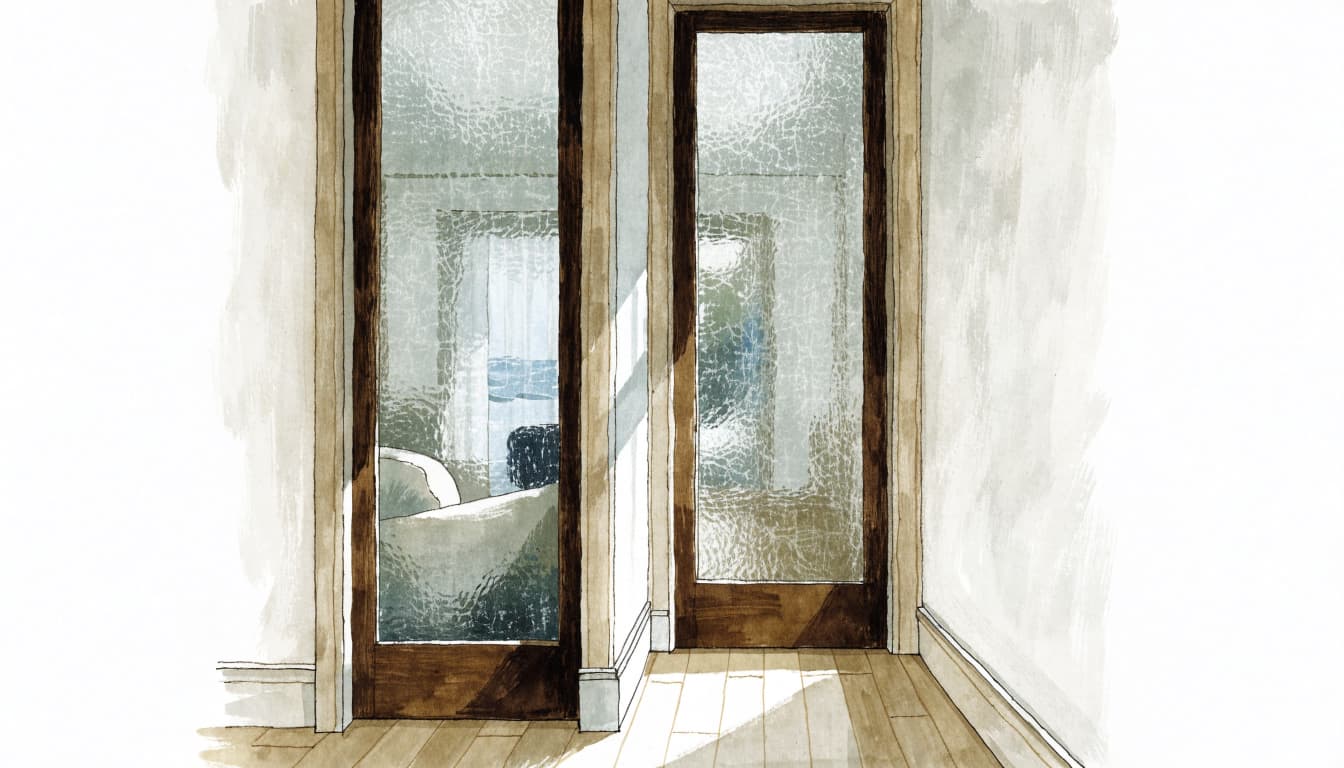
Clear glass offers an uninterrupted view. Textured and frosted surfaces scatter or distort the light passing through them, so the space beyond appears softer. You can retain a sense of brightness without leaving the entire room on display.
The effect depends on the finish. A lightly patterned pane may blur details while leaving people and furniture recognizable. A denser frosted surface can obscure more detail, although movement and silhouettes may still show.
Distance and Lighting Change the View
An object close to the glass is often easier to identify than one farther away. Likewise, a person standing directly behind a door may cast a recognizable outline.
Lighting matters, too. A brightly lit bathroom beside a dark hallway can reveal more of a silhouette than the same door in even daylight. Look at a physical sample with light behind it and from both sides.
Clear Areas Leave Open Sightlines
Some designs combine opaque bands or shapes with clear sections. Those openings can look attractive and let through a clearer view, but anyone aligned with them may see into the room.
For a home office, a partial treatment may be sufficient. For a bathroom, a full-panel finish is often a better starting point. Our comparison of frosted and etched glass for office privacy explains how treatments affect sightlines.
Comparing Frosted, Rain, Reeded, and Patterned Glass
Each finish changes both the view and the character of a door. This comparison provides a starting point.
| Glass style | Appearance | Privacy consideration |
|---|---|---|
| Frosted | Soft, even, translucent surface | Usually obscures detail across the treated area |
| Rain | Irregular, flowing texture | Distorts views, with coverage varying by design |
| Reeded | Repeating vertical or horizontal ribs | Blurs and breaks up views, though shapes may remain visible |
| Other patterned glass | Decorative shapes or raised designs | Depends on pattern density and any clear areas |
The finish name alone doesn't tell you exactly what will be visible. Compare samples with the room's lighting and privacy needs in mind.
Frosted and Rain Glass
Frosted glass has a satin-like appearance that suits simple interiors and rooms where privacy matters. The look can come from a permanent surface treatment, factory-made glass, or a film applied to suitable existing glass. A full frosted panel provides more consistent coverage than a design with clear stripes.
Rain glass has an uneven pattern that resembles water running down the surface. It adds movement without relying on a uniform finish. However, some rain patterns reveal more detail than others, so the actual sample matters more than the name.
Reeded and Decorative Patterns
Reeded glass has repeated ribs that create a linear look. It's useful when you want to soften a view while keeping the door visually connected to the adjoining room. The spacing and depth of the ribs affect how much you can see.
Other patterned glass includes geometric and decorative designs. A dense pattern can obscure more than one with large clear sections. In a Cape Coral home, for example, a decorative panel between a dining room and kitchen can add interest while still allowing light to pass.
Choosing Glass for Different Rooms
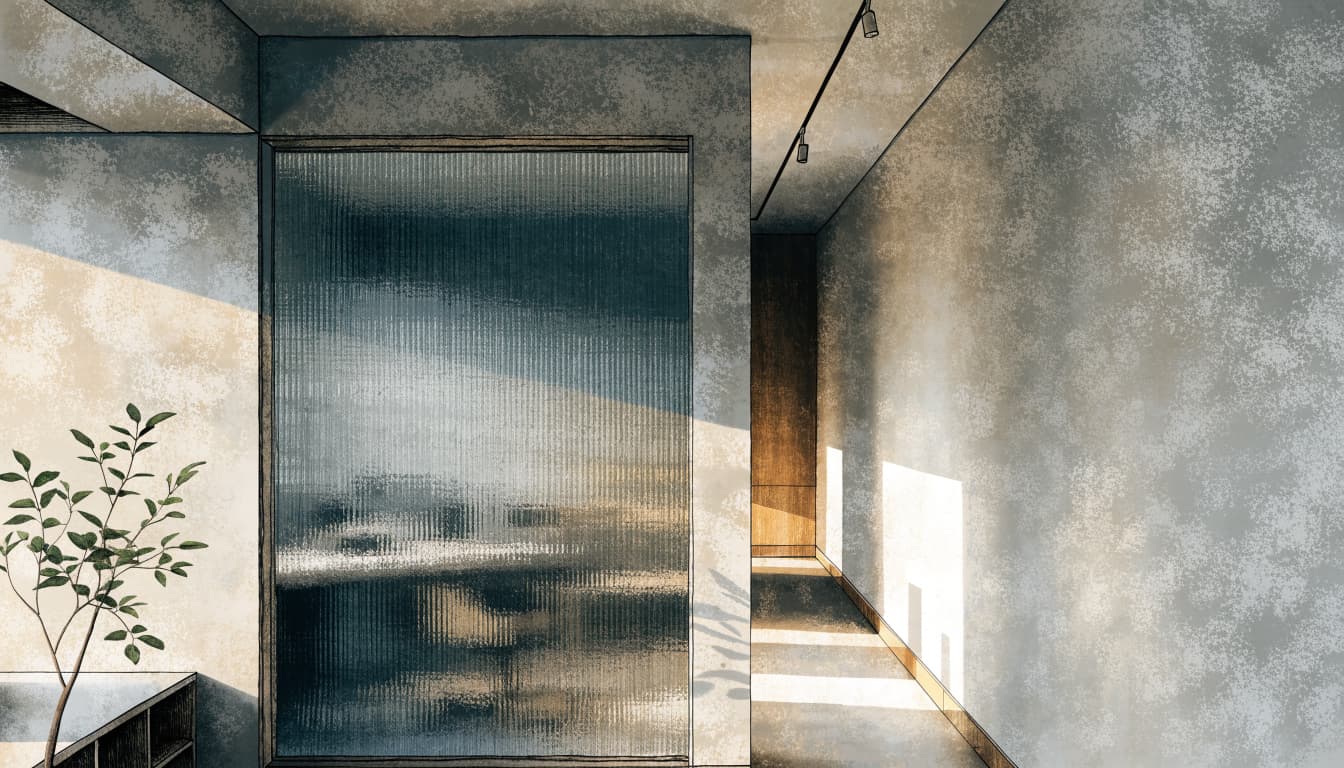
Start with the activity behind the door. A room used for changing needs a different level of coverage than a pantry or dining area.
Bathrooms and Bedrooms
A full frosted panel is a practical choice for a bathroom door when you want privacy and borrowed light. Choose the coverage with the hallway view in mind, especially if the door faces a busy living area.
The same approach works for a bedroom door when direct visibility is a concern. Keep in mind that even a fully frosted panel can show shadows under strong backlighting. If silhouettes would be uncomfortable, a solid door or a design with less glass may be a better fit.
Bathroom glass also has to fit the room's appearance. Our guide to privacy glass for bathroom windows offers ideas for coordinating obscured glass with the rest of the space.
Home Offices and Workspaces
An office door often needs separation without making the room feel closed off. Reeded or moderately patterned glass can soften the view from a hallway while letting daylight reach the work area.
Consider what the door faces. If a desk, screen, or meeting area sits directly opposite the opening, a more opaque treatment may be useful. For commercial spaces, our office glass services also include interior partitions and door glass.
Kitchens, Pantries, and Shared Rooms
Privacy is usually less demanding between shared spaces. Reeded or rain glass can separate a kitchen from a dining area while keeping the rooms visually connected.
For a pantry, a stronger pattern can disguise shelves and packaging. In an Estero home with glass French doors, a repeated pattern across both panels can create a consistent look without closing off the adjoining room.
Match the Glass to the Door Style
The way a door opens affects the size and placement of its glass. The finish should work with the door's construction as well as the room.
Hinged and French Doors
A hinged door can have one large glass panel or several smaller sections. Larger panels admit light across more of the opening, while divided sections give the frame a more prominent role in the design.
French doors create a wider glazed opening when closed. If both panels face a hallway, consider how their combined glass area affects privacy. Matching finishes across the pair usually creates a more consistent appearance.
Sliding and Pocket Doors
Sliding and pocket doors can be useful where a swinging door would take up floor space. The visible glass area changes as the door moves, so a pattern should look comfortable both open and closed.
A reeded pocket door can suit an office or den where you want filtered light and a quieter visual boundary. The glass, frame, and hardware need to work as a complete door system.
Visual Privacy and Sound Privacy Are Different
Textured glass can make a room harder to see into, but the pattern itself doesn't stop conversations from traveling through a doorway.
Sound can also pass through gaps around the door and through adjacent walls or ceilings. For a room where speech privacy matters, such as an office in Bonita Springs, consider the entire enclosure rather than the glass finish alone.
Door seals and sound-absorbing finishes can help address some paths for sound. The right approach depends on the existing door and room construction. If confidential conversations are a priority, plan for that need alongside visual privacy.
Plan Custom Glass Around the Opening
A successful replacement starts with the door, not a pattern alone. The opening, frame condition, panel shape, and way the glass is held in place all affect what will fit.
Consider Safety and Fabrication
Door glass needs to be appropriate for the opening and its use. A qualified glass professional can assess the door and select suitable safety glazing as part of the project.
Fabrication also needs to account for the finished dimensions and any hardware requirements. This matters when a design includes a large panel or an unusual shape. Plan the glass and door together rather than treating the decorative finish as a separate decision.
Know What Is Included in the Estimate
The cost of a project depends on the glass selection, panel size, fabrication, and installation needs. Replacing a pane in a suitable existing door may involve a different scope than creating glass for a new door.
At Caloosahatchee Glass & Mirror, our custom glass options include frosted, patterned, and textured glass. We offer free estimates for homeowners planning a project in Fort Myers and the surrounding area.
Cleaning and Long-Term Appearance
A smooth frosted finish and a deeply textured pattern can look equally appealing in a sample, but they may require different care. Raised details and grooves can collect dust or residue, particularly near handles and in humid rooms.
Wipe glass with a soft cloth and a cleaner suitable for the finish. Avoid abrasive pads, which can damage glass surfaces or films. Follow the care instructions for the chosen material, especially if the frosted appearance comes from an applied film.
Texture can make some fingerprints less noticeable, but it won't eliminate cleaning. For a frequently used pantry or bathroom door in Naples, choose a pattern that you're comfortable maintaining.
Frequently Asked Questions
Does textured glass make a room dark?
Textured glass allows light to pass, although the effect varies by finish and the available light. A room may feel less open than it would with clear glass, but brighter than it would with a solid door.
Can people see through reeded glass?
Often, yes. Reeded glass distorts a view rather than blocking it completely. Rib design, distance, and lighting all affect whether a person or object remains recognizable.
Can I add a frosted look to an existing glass door?
Frosted film can be applied to suitable existing glass. It can also be removed or replaced if your needs change. Permanent etched or factory-frosted glass requires a different approach and may involve replacing the pane.
Is frosted glass the same as textured glass?
Not always. Frosted glass describes a translucent appearance, which can come from several treatments. Textured glass generally has a surface pattern. Both can reduce visibility, but their appearance and maintenance can differ.
Choose Privacy That Fits the Room
Textured glass doors can carry light into a room while making the view less direct. The best finish depends on what you need to keep private and how the door looks under everyday lighting.
Start with a physical sample and the actual sightline through your doorway. If you'd like help planning a glass project, contact our team for a free estimate.