
What Is a Shower Return Panel? Uses, Options, and Fit
A shower can look open and spacious, yet still need one more piece of glass to control water. A shower return panel is that fixed side panel, usually installed at a right angle to the shower door or main glass wall.
Homeowners in Fort Myers, Cape Coral, and nearby communities often consider a return panel when a standard door layout leaves too much space open. The right design depends on the shower's shape, spray direction, curb, walls, and available clearance. Understanding those details helps you choose glass that looks clean and performs well.
What Is a Shower Return Panel?
A shower return panel is a stationary piece of glass that turns a corner beside the shower door. It creates a partial enclosure by closing the open side of a corner shower or connecting an entry door to a nearby wall.
The panel doesn't swing, slide, or open. Instead, it stays in place while the door provides access to the shower. Installers typically secure the glass with clips, channels, brackets, or other suitable hardware. The exact support method depends on the glass thickness, wall construction, curb, and enclosure design.
A return panel often sits on a shower curb , which is the raised threshold at the bottom of the entry. Some designs use a panel that runs from the curb to the ceiling or stops below the ceiling. Others use glass that rests on the floor in a curbless shower.
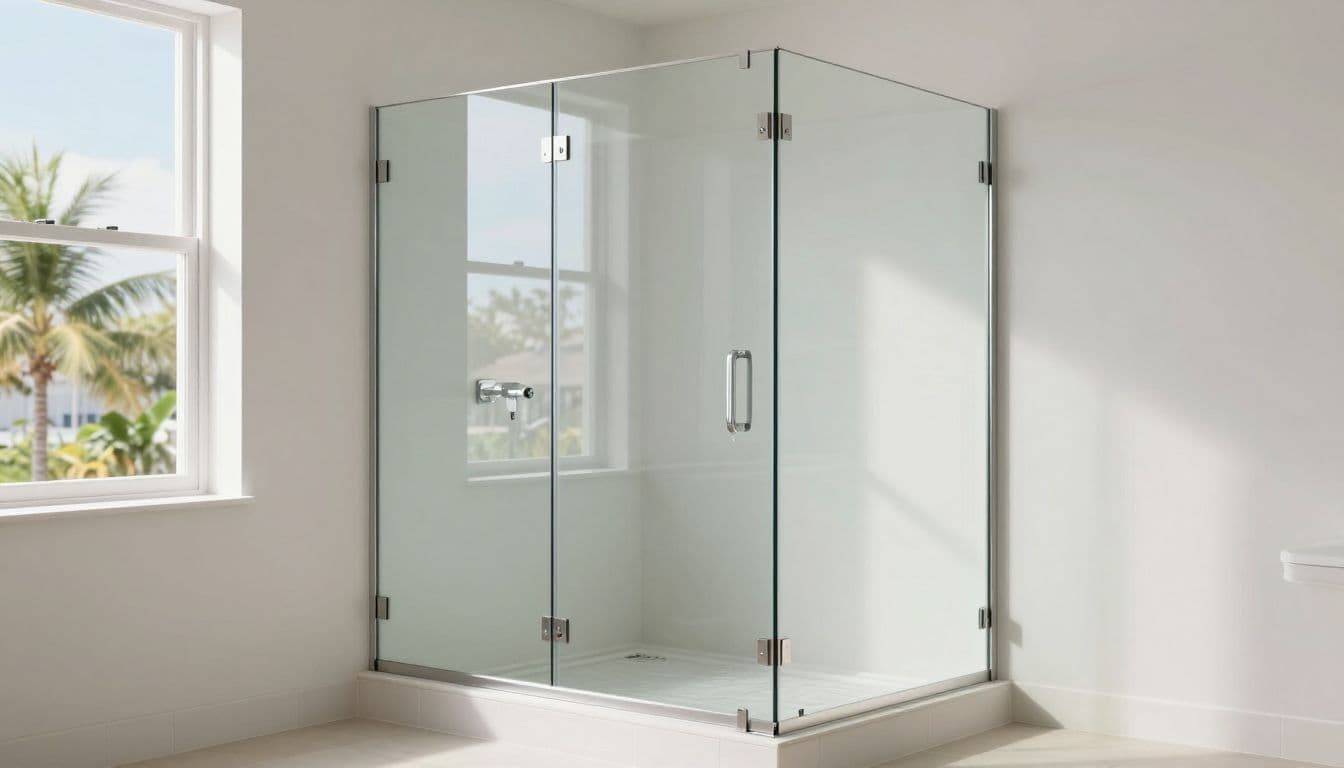
The term "return" describes the way the glass returns toward the adjacent wall. For example, a door may sit in one opening while the return panel extends along the side wall. Together, the pieces form an L-shaped layout.
This configuration is common in custom frameless glass showers, but it can also work with semi-frameless or framed systems. A frameless enclosure has little visible metal around the glass. A semi-frameless design uses some framing, often around the door or edges. Both options can include a fixed return panel.
Glass shower panels are usually made from safety-tempered glass. Common custom choices include clear glass, patterned glass, and textured privacy glass. Glass thickness and hardware requirements depend on the enclosure's dimensions and structure, so an installer should confirm those details during measurement.
When Do You Need a Shower Return Panel?
You may need a return panel when a shower has a corner entry, a wide opening, or a spray path that a single door cannot control. The panel gives the door a defined side boundary and helps keep water inside the wet area.
A return panel is often useful in these situations:
- The shower sits in a corner with two open sides.
- The door opening is wider than one practical door panel.
- The showerhead points toward the entry.
- A nearby vanity, toilet, or wall needs protection from spray.
- You want an open appearance without leaving the entire entrance exposed.
- The enclosure needs to turn around a corner to meet the layout.
For example, a corner shower in a Cape Coral remodel may have a tiled back wall and a glass door facing the bathroom. If the adjacent side remains open, water can escape near the door hinge or along the edge of the shower. A fixed return panel closes that side without requiring another operating door.
A return panel controls the enclosure's shape, but it doesn't replace proper waterproofing, slope, or drainage.
The panel also helps position the shower door. Without it, the door may need to span a large opening or attach directly to a wall in a way that limits the layout. With a return, the door can stay narrower and swing into a more comfortable clearance area.
Room size matters, but it isn't the only factor. A small shower may benefit from a return panel if the spray reaches the entrance. A larger shower may not need one if the showerhead points away from the opening and a fixed panel already blocks the main splash zone.
The door swing deserves careful attention. A hinged door needs enough room to open without striking a vanity, toilet, towel bar, or other glass. A return panel can help create a better door position, but the installer must check the full swing area before fabrication.
When Another Shower Configuration May Be Better
A shower return panel isn't required for every enclosure. In some bathrooms, another layout costs less, uses less glass, or creates a more comfortable entrance.
An inline enclosure places the door and fixed panel in one straight line. This layout works well when the shower opening sits across a single wall. It can offer a clean appearance without turning a corner.
A single fixed panel may work for a walk-in shower when the shower is deep enough and the showerhead points away from the entrance. This option keeps the room visually open, but it may allow more spray near the opening. The layout needs enough depth to control water without relying on a door.
A neo-angle enclosure uses several angled glass panels to fit a corner. It can save space in a compact bathroom, although its angled shape may create a smaller entry than a square corner design.
A bypass enclosure uses sliding doors that pass one another. It may suit a tub or wide shower opening where a swinging door lacks clearance. Sliding doors also avoid the floor space required by a hinged door, but their tracks need regular cleaning.
| Bathroom condition | Configuration to consider |
|---|---|
| Corner shower with two open sides | Door with a return panel |
| Straight wall opening | Inline door and fixed panel |
| Deep walk-in shower | Single fixed panel |
| Tight corner bathroom | Neo-angle enclosure |
| Wide opening with limited swing space | Bypass or sliding doors |
The best choice also depends on the room's existing features. In Bonita Springs or Estero homes with narrow bathroom entries, a return panel may improve the door position. In a spacious Naples renovation, an open walk-in design may provide enough splash control without a full corner return.
A professional can compare these options after checking the actual walls and plumbing. Photos help with early planning, but they don't show whether the walls are plumb, the curb is level, or the opening is square.
Choosing Glass and Hardware for the Layout
Once you know which enclosure shape fits, glass and hardware choices affect appearance, maintenance, and cost.
Clear glass is the most open option. It allows tile, niches, and decorative plumbing to remain visible. Low-iron clear glass can reduce the green tint that appears along thicker glass edges, though the final color depends on the product and lighting.
Patterned or textured glass adds privacy and can hide water spots better than perfectly clear glass. It also changes the look of the room, so review the pattern at full size before ordering. A narrow return panel may be a good place for privacy glass if you want a more open door area.
Frameless systems often use heavier glass and carefully placed hardware. Common thicknesses include 3/8 inch and 1/2 inch, but the installer should select the appropriate product for the panel size, support points, and door design. Tempered glass cannot be cut or drilled after it has been treated, which makes accurate measurements essential.
Hardware finishes should coordinate with the rest of the bathroom. Chrome, brushed nickel, matte black, and other finishes can change the enclosure's visual weight. A tall return panel with dark hardware creates a different effect than a short panel with minimal clips.
The shower's curb and wall tile also affect the result. A return panel needs a suitable surface for mounting and a bottom edge that follows the curb or floor. If the curb slopes unevenly, the glass may need a carefully measured angle or adjustment in the installation details.
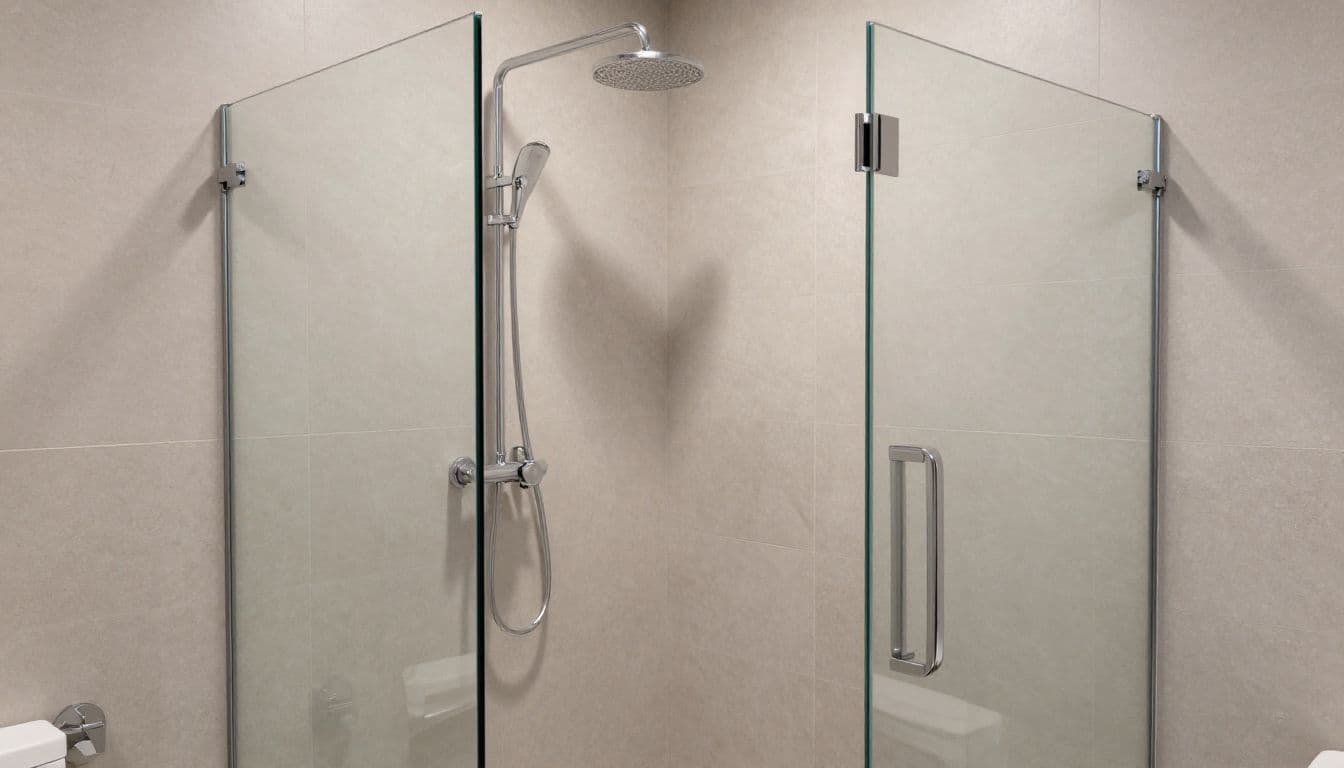
Hardware placement matters for daily use. A handle should be easy to reach, hinges need solid attachment points, and the door should clear the return panel throughout its swing. In Lehigh Acres, Punta Gorda, and other Southwest Florida communities, experienced installers can also account for tile thickness, uneven surfaces, and remodeling conditions that aren't obvious in a rough opening.
Regular cleaning remains part of ownership. A squeegee after use helps limit mineral buildup, especially where water leaves spots on clear glass. The return panel itself doesn't require special care, but its edges, clips, and seals should stay clean.
Shower Return Panel Decision Checklist
Use these questions before choosing a layout:
- Is the shower located in a corner with an open side?
- Does the showerhead point toward the entrance?
- Will a single door leave a large gap beside the opening?
- Does the door have enough room to swing safely?
- Could a fixed panel protect a nearby vanity, toilet, or wall?
- Would an inline, walk-in, neo-angle, or bypass design fit better?
- Are the curb, floor, and walls ready for accurate measurement?
- Do you prefer maximum openness or stronger splash control?
- Will the selected glass and hardware match the bathroom's style?
The answers usually narrow the choices quickly. If the shower has two open sides and the door needs a defined corner, a return panel is often a practical fit. If the opening sits on one straight wall, an inline design may be simpler.
Professional measurement should happen after the tile and major surfaces are complete whenever possible. The installer checks the opening width, wall alignment, curb slope, ceiling height, door clearance, and mounting locations. "Plumb" means vertically straight, while "square" means the corners meet at the expected angle. Small differences affect custom glass.
Caloosahatchee Glass & Mirror provides custom shower enclosures for homeowners who need a layout measured and built for the actual bathroom. A professional estimate can compare a return panel with other configurations before glass is ordered.
Conclusion
A shower return panel is a fixed glass side piece that turns beside the door and helps define a corner enclosure. It can improve splash control, door placement, and the sense of an open bathroom when the layout calls for it.
Still, an inline, walk-in, neo-angle, or bypass design may fit better in another space. The right decision comes from the shower's shape, spray direction, door clearance, and mounting surfaces. Before ordering custom glass in Fort Myers or anywhere across Southwest Florida, schedule professional measurement and installation so the enclosure fits the room accurately the first time.