
What Window Glass Labels Tell Fort Myers Homeowners
That tiny mark in the corner of your window can help identify what you're looking through. An etched window glass label may reveal the glass fabricator, glass type, or safety-related information, but it rarely tells the whole story.
For Fort Myers homeowners, the important distinction is between identifying a pane and understanding the complete window system . A glass mark alone doesn't establish storm protection, energy performance, or the correct replacement.
Start with the marking itself, then connect it to the frame, other labels, and the opening's requirements.
Where to Find an Etched Glass Mark
Look near the corners of the pane, where a small permanent mark may sit close to the frame. These markings are sometimes called glass stamps or "bugs." Depending on the manufacturing process, the mark may be etched, sandblasted, or applied another way.
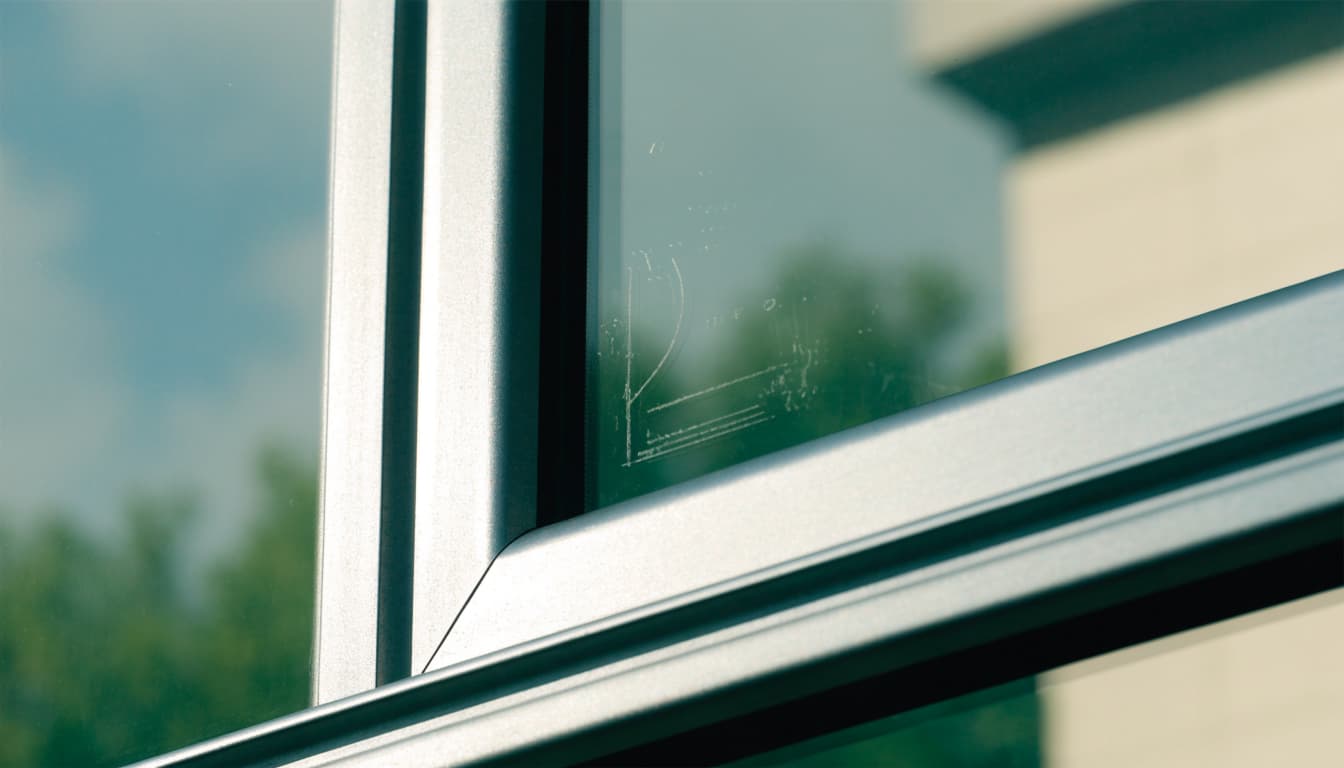
Light can make a faint stamp easier to see. View the corner against both a light and dark background, without pressing on the glass. A phone photo taken from a slight angle may capture lettering that disappears when viewed straight on.
The glass mark isn't the only identification source. A separate label may sit inside the frame or sash. Insulated glass can also carry information on the spacer between its panes.
Those locations provide different clues. The pane may identify its fabricator, while the frame label identifies the window brand or model. That distinction also matters when considering adding grids to existing windows, because compatible components depend on the window system.
An absent or unreadable stamp doesn't, by itself, establish the glass type.
What an Etched Window Glass Label May Identify
Markings vary among manufacturers, glass processors, product types, and production periods. Some contain several useful details. Others provide only a short designation that needs professional interpretation.
The Glass Manufacturer or Fabricator
A name, logo, or identifying code may point to the company that manufactured or processed the pane. However, that company may differ from the brand that assembled and sold the window.
This distinction matters during replacement. Identifying the glass processor doesn't necessarily identify the sash, frame, hardware, or complete window series.
A mark may also include production or traceability information. Its meaning depends on the marking system, so an isolated sequence of letters or numbers shouldn't be treated as a universal code.
Record the whole mark rather than selecting the most recognizable word. Small characters beside a logo may provide useful context.
Glass Type and Safety Information
A marking may identify tempered glass or include a reference to a safety-glazing standard or certification. That information helps narrow the pane's intended characteristics.
However, markings don't necessarily list every layer, coating, thickness, or treatment. Laminated construction and insulated-glass details may require other product information.
A safety designation also has a limited purpose. It relates to the glass's safety characteristics; it doesn't describe every requirement for the installed opening.
For example, a pane's identification cannot establish whether nearby doors, floors, or wet areas require a different glazing configuration. The location and use of the glass still matter, especially after remodeling changes the surrounding space.
Safety Glass and Storm Protection Are Different Questions
Tempered and laminated glass have different breakage behavior. Both can appear in residential glazing, but neither description alone proves that a complete window is approved for windborne debris protection.

What Tempered Glass Tells You
Tempered glass undergoes heat treatment and typically breaks into smaller pieces than ordinary annealed glass. This breakage pattern helps reduce certain injury risks, although broken tempered glass can still cause harm.
Finding a tempered designation is useful when planning a replacement. It indicates that ordinary glass may not preserve the original pane's safety characteristics.
Still, the designation doesn't establish hurricane resistance, solar control, or sound reduction. Those features depend on other details.
The same distinction applies to shower enclosures and glass doors. A tempered mark identifies a glass characteristic, while the panel's dimensions, support, hardware, and location determine whether the replacement is appropriate.
What Laminated Glass Tells You
Laminated glass contains an interlayer between glass sheets. That layer helps hold cracked fragments together after breakage.
However, laminated glass also appears in applications that aren't impact-rated windows. Its presence alone doesn't establish storm protection for a Cape Coral home.
A pane can contain laminated glass without belonging to an approved impact-window assembly.
Impact performance depends on the complete configuration, including the glass, frame, attachment, dimensions, and installation. Our explanation of impact window pressure ratings covers the distinction between glass construction and whole-window structural performance.
An etched stamp is one identification clue within that larger system.
Energy Performance Usually Requires Other Information
A permanent corner mark often focuses on identification or safety. It may provide a clue about a glass product, but it usually isn't a complete energy-performance label.
Coatings, Tint, and Insulated Construction
Low-E coatings reduce heat transfer through glass. Tint and solar-control options can also affect glare, daylight, and the appearance of a window.
Some information may appear on a spacer, separate label, or product documentation rather than in the etched mark. A pane's color alone doesn't reliably identify its coating or construction.
For sunny rooms in Bonita Springs and Estero, the useful question is how the glass manages heat while preserving the desired daylight. A dark appearance doesn't provide a complete answer.
Likewise, two panes don't automatically establish a particular level of energy performance. Glass composition, spacing, coatings, and the surrounding frame all affect the result.
Whole-Window Ratings Provide the Comparison
U-factor describes heat transfer through the rated product. Solar heat gain coefficient, often shortened to SHGC, describes how much solar heat passes through it. Visible transmittance describes the amount of visible light transmitted.
These measures answer different questions. Lower heat transfer doesn't necessarily mean the glass admits less daylight.
Whole-window ratings also account for more than the pane. Frame construction and other components influence performance, while gaps or poor sealing can create separate comfort problems.
The etched label therefore helps identify the glass, but it shouldn't substitute for complete product information when comparing replacement options.
Why the Mark Matters When Replacing Window Glass
A replacement pane can fit the opening and still differ in appearance or construction. That makes the original marking useful, even when it doesn't provide every specification.
Thickness, tint, coating, laminated layers, and insulated-unit construction all affect the replacement. A different glass build may change reflections or visible color beside neighboring panes.
Our explanation of why replacement glass looks different describes how these differences become noticeable under Southwest Florida sunlight.
For replacements in Naples or Lehigh Acres, appearance and required performance belong in the same decision. Matching the view doesn't justify changing the safety characteristics or using glass that doesn't belong in the existing assembly.
The surrounding window matters, too. A sound frame may allow glass-only replacement, while deterioration or an incompatible system may require a different repair scope.
An etched window glass label can't diagnose failed seals, frame damage, or installation problems. Fogging between panes, cracks, and loose components require attention beyond reading the stamp.
Keep the original identification information with the replacement records. It provides a useful reference if another pane needs work later, particularly where neighboring windows have different glass packages.
What to Record Without Disturbing the Window
Clear photos help preserve details that are difficult to read onsite. Gather information while the glass remains installed and undisturbed.
Use this short sequence:
- Photograph the full window, including the frame and surrounding opening.
- Take a close-up of the entire glass marking, keeping every visible character in the picture.
- Photograph separate frame labels and visible spacer information without removing components.
- Note the problem, such as cracking, fogging between panes, or a noticeable appearance mismatch.
Keep photos of different windows separate. Similar-looking openings may contain different products, especially if a home has undergone several replacement projects.
For a Punta Gorda homeowner collecting information after glass damage, a full-window photo adds context that a corner stamp cannot provide. It shows the operating style, frame, and pane location without requiring disassembly.
If you're also collecting dimensions, our guidance on measuring a window opening explains which information supports replacement planning. Homeowner measurements are preliminary; custom fabrication requires accurate sizing for the actual glazing system.
Don't remove glazing beads, scrape the mark, or handle cracked glass to obtain a better view. If the window is damaged or difficult to reach, leave close inspection to a glass professional.
When Professional Interpretation Makes the Difference
A partial stamp, unfamiliar abbreviation, or mismatched set of labels can require more than a simple reading. A qualified glass professional can relate those clues to the pane's construction and its installed location.
That review is especially important near doors, low to the floor, around tubs or showers, and beside stairs. Safety-glazing requirements depend on the opening and applicable conditions, rather than the stamp alone.
The same caution applies when a remodel changes the surroundings. Existing glass may need a new safety review after a door, shower, or walking surface moves nearby.
Our glass repair and replacement services cover window, door, and shower glass. The useful starting point is the full application, supported by whatever identification information remains available.
A clear replacement scope should describe the glass construction, fit, appearance, and installation work. For an insulated unit, the overall thickness and spacer arrangement also matter.
Once replacement is planned, preparing for glass replacement helps keep access and the work area ready. Preserve the photos and final glass specifications together so future repairs have a clearer starting point.
Use the Mark as a Starting Point
The small stamp in your window can identify useful details about the glass, but its meaning has limits. The pane and the complete window are different parts of the same system.
For Fort Myers homeowners, the strongest approach combines the marking with frame information, glass construction, and the opening's requirements. Preserve those details, and a replacement decision can address safety, appearance, and performance together.