
When Do Large Fort Myers Mirrors Need Safety Backing?
A large wall mirror should have safety backing when broken glass could fall into an occupied area, particularly near children, exercise equipment, or busy walkways. Mirror safety backing helps retain fragments after breakage, but the mounting system still needs to support the glass.
For Fort Myers homeowners and businesses, location and exposure matter alongside size. Start with what could strike the mirror and where broken pieces could land.
Key Takeaways
- Prioritize fragment retention for large mirrors near floor level, activity areas, and frequent foot traffic.
- Size, weight, wall construction, and mounting method need separate attention.
- Safety backing, tempered glass, and laminated glass handle breakage differently.
What Mirror Safety Backing Does
Safety backing is a purpose-made film or backing material bonded to the rear of a mirror. If the glass breaks, it helps hold fragments together rather than allowing individual shards to separate freely.
The ordinary protective paint over a mirror's reflective coating isn't the same as safety backing. A mirror can have a painted back without having a fragment-retention layer.
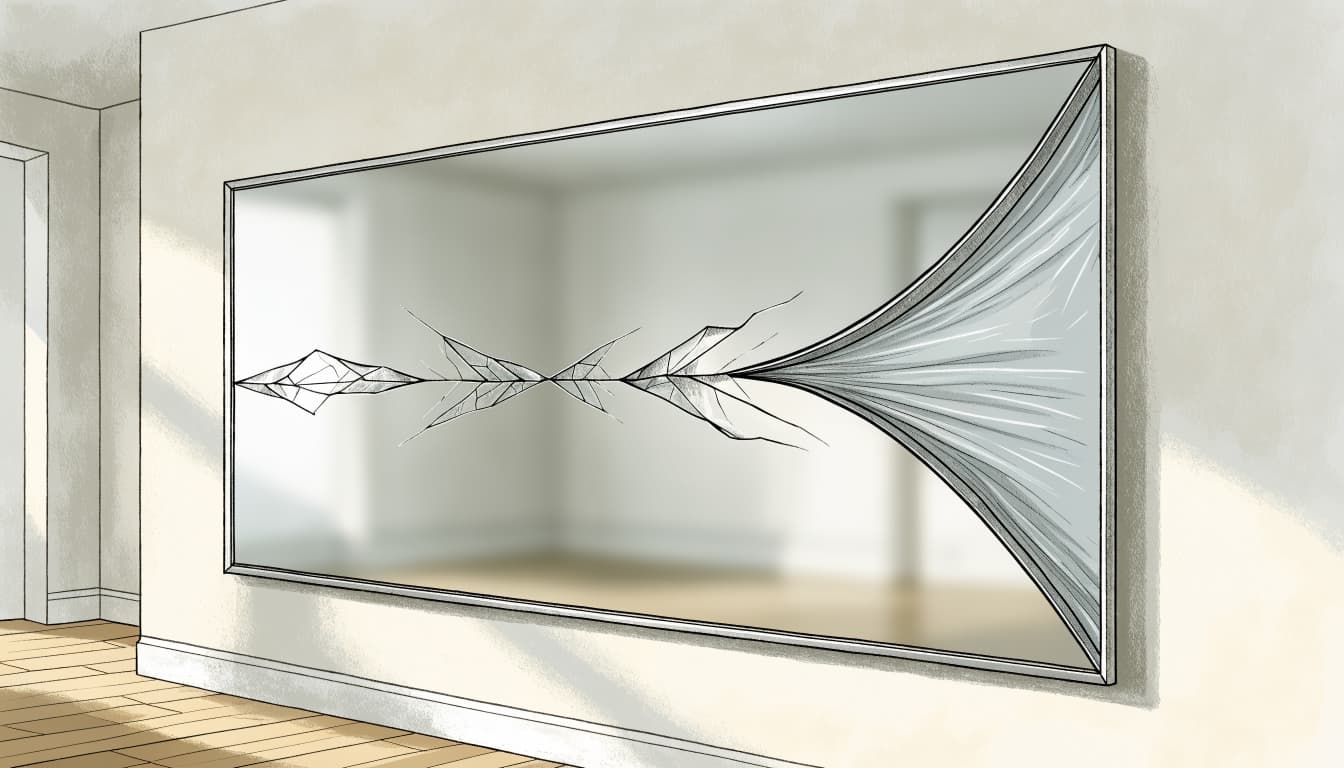
Without fragment retention, broken ordinary mirror glass can produce large, sharp pieces. Those pieces can cause cuts during the initial break and remain hazardous during cleanup.
A firmly mounted mirror can still break after an impact. Wall attachment and fragment retention address different hazards.
When Size and Location Favor Safety Backing
Large, Heavy Panels Increase the Consequences
A larger mirror creates more glass to manage if it breaks. Thickness also affects weight: 1/4-inch mirror glass weighs approximately 3.3 pounds per square foot. A 4-by-6-foot panel therefore weighs close to 80 pounds before adding a frame or hardware.
That weight affects handling and attachment. It also makes a large panel a serious concern if the mounting fails.
However, dimensions alone don't describe the risk. Consider the panel's height above the floor, whether people regularly stand beneath it, and how far fragments could fall.
Activity and Traffic Increase Exposure
In a Cape Coral home gym, dumbbells, benches, and weight plates create impact hazards. Safety backing deserves priority, along with enough clearance to keep equipment away from the glass.
Low mirrors in children's rooms, dance studios, and dressing areas also warrant attention because people can contact them directly. Commercial fitness centers and busy retail spaces combine frequent use with repeated opportunities for accidental impact.
A Naples vanity mirror above a deep countertop has different exposure than a full-length panel beside a doorway. Assess the actual room layout before choosing the mirror construction.
Mounting Still Needs Its Own Safety Plan
Match Support to the Mirror and Wall
Safety backing doesn't replace clips, channels, brackets, anchors, or suitable mirror adhesive. The mounting system must carry the panel's weight and suit the wall behind it.
Drywall, wood studs, concrete block, and tile require different preparation and fastening methods. Tile is only the visible finish; the structure underneath determines where and how the mirror can attach.
Large or frameless panels often need mechanical support alongside adhesive. Our guidance on professional mirror installation explains why weight and wall construction matter.
Coordinate Backing, Adhesive, and Wall Condition
The adhesive must work with the mirror's rear surface, including any safety film. Backing and adhesive selection belong in the same installation plan.
Also, repair loose tile, moisture-damaged surfaces, and uneven areas before installing new glass. A heavy mirror shouldn't conceal a wall problem.
For bathroom projects in Bonita Springs, account for outlets, plumbing, and light fixtures before fabrication. Cutouts and attachment points need advance planning, particularly when the mirror spans most of the wall. Professional installation is appropriate when large glass, hidden utilities, or uncertain wall conditions complicate the work.
How Safety Backing Differs From Safety Glass
Safety backing is an added retention layer. Tempered and laminated glass use different construction methods to change how glass behaves when damaged.
Tempered glass receives heat treatment and generally breaks into many small, relatively blunt pieces rather than long shards. It doesn't provide the same post-breakage retention as laminated construction.
Laminated glass contains glass layers bonded around an interlayer that helps hold broken pieces together.
Applying rear film to an ordinary mirror doesn't turn its glass into tempered or laminated glass. These options aren't interchangeable simply because each addresses a breakage hazard. The mirror's intended use should guide the selection.
Frequently Asked Questions
Does a Frame Replace Safety Backing?
A frame can protect exposed edges and help support a mirror, depending on its design. However, a decorative border doesn't provide the same fragment retention as bonded safety backing. Consider the frame, glass, backing, and attachment together.
Should an Older Mirror Be Removed to Add Backing?
Removing a large, adhesive-mounted mirror can break it. Leave that assessment to a glass professional. If the panel already has cracks, chips, or deteriorating rear coatings, our glass and mirror replacement services can address the damaged panel rather than conceal it.
Is Safety Backing Useful Outside Bathrooms?
Yes. Gyms, salons, dressing rooms, and hallways can present substantial contact or impact risks. In an Estero studio, the movement area and equipment placement may matter more than whether the room contains plumbing.
Plan Retention and Support Together
Large mirrors need both secure support and a plan for broken glass. Prioritize safety backing where impact is plausible or falling fragments could reach people.
Across Southwest Florida, we help plan custom mirror fabrication and installation around the room, panel dimensions, and mounting surface. Discuss fragment retention before fabrication so the backing and attachment system work together.