
Why Window Glass Rattles in Fort Myers Homes
Rattling window glass usually means something in the window assembly can move, but the sound alone can't identify the cause. A loose pane, worn glazing, a shifting sash, or a problem with the frame may sound similar, so the right repair depends on what an inspection finds.
The useful first step is to notice when the rattle happens and whether you see other changes, such as a crack, fogging, or water near the frame. Those details help point toward a focused glass repair or a larger window issue.
Why rattling window glass needs a closer look
A pane should sit securely within its sash or frame. If its support or fit has changed, the glass may shift and make noise. However, the sound can also come from a loose sash or hardware rather than the pane itself.
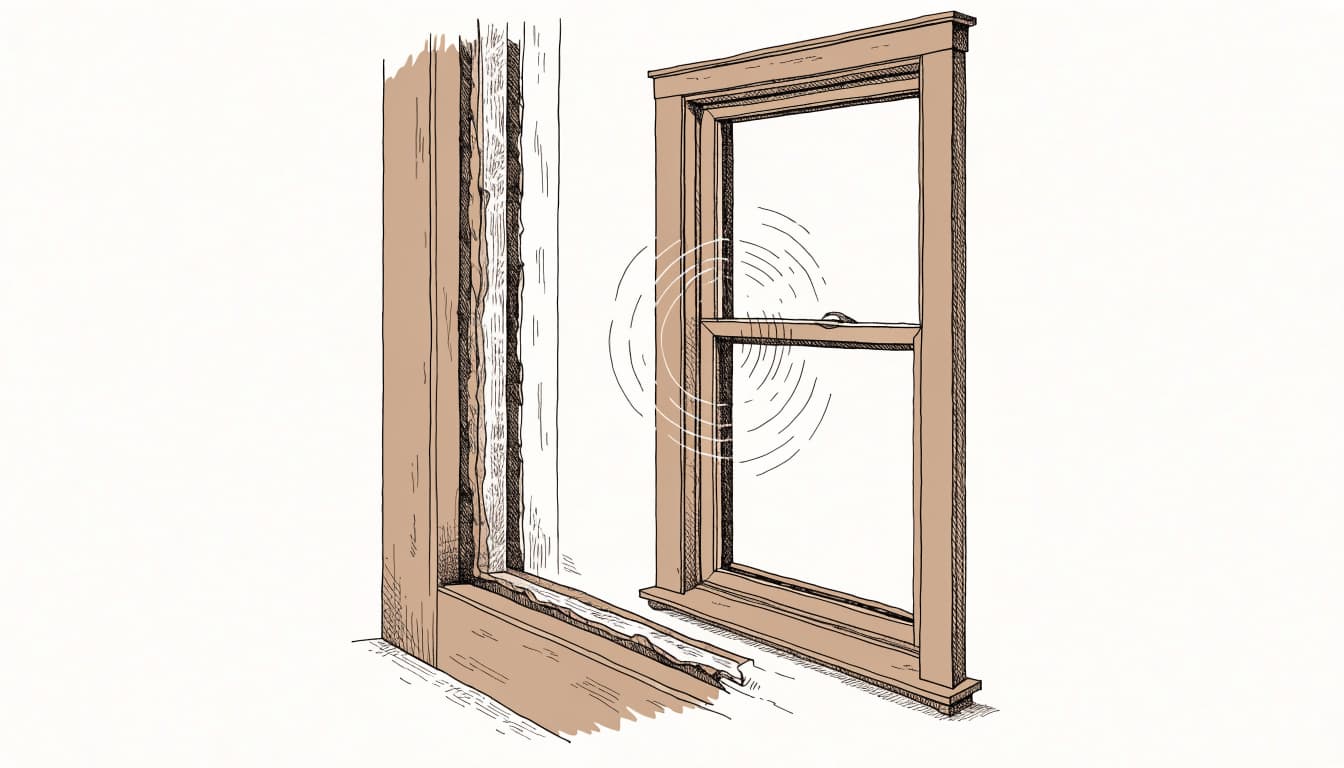
Possible signs around the glass
Look for a visible gap near the pane, loose or damaged glazing, or a bead that no longer holds the glass snugly. These parts help secure glass in the frame. With older windows, glazing compound or putty can deteriorate and leave the pane with room to move.
A window that rattles alongside a crack or cloudy appearance may need a different assessment than one that makes noise without visible glass damage. In double-pane windows, fog between the panes can indicate a failed insulated glass unit.
The sash and frame matter, too
The glass isn't the only part that can move. A sash that shifts in its tracks, loose hardware, or a frame that has changed shape can create noise near the pane. That's why replacing glass before checking the surrounding assembly can miss the actual problem.
A glazier can inspect the pane, sash, frame, and drainage. The condition of these parts helps determine whether the glass alone needs attention or whether the opening needs a broader repair.
What to notice when a window rattles
Before arranging service, note when the sound occurs and what else has changed. Does it happen when the window is closed, when the sash moves, or at particular times? Does the glass appear loose, cracked, or fogged? These observations help describe the issue, but they don't replace an inspection.
Check for changes without pressing on the pane
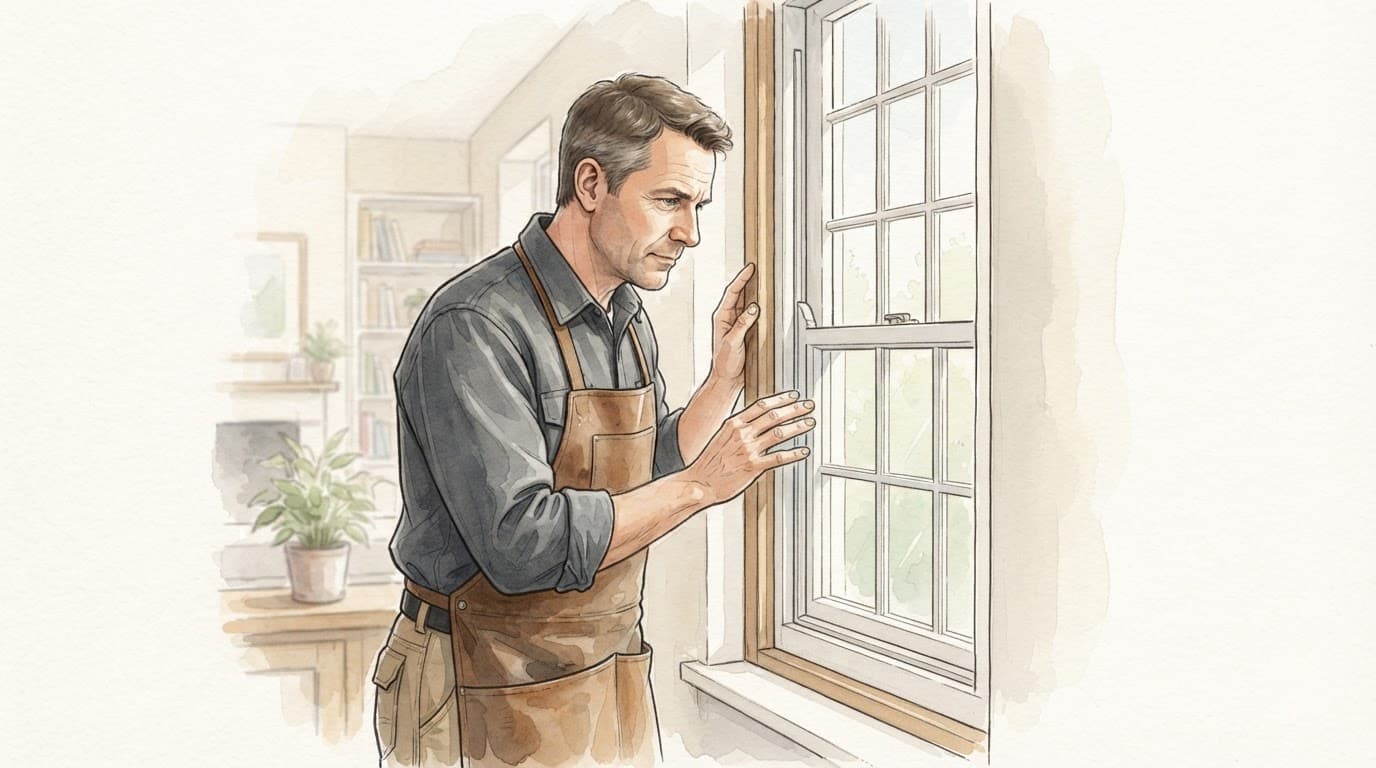
Look at the window from a safe distance. Note visible gaps, damage to the glazing bead, a sash that doesn't sit evenly, or signs of water around the frame. Don't push or tap the glass to test it, especially if you see a crack.
If the window is difficult to open or close, mention that as well. A problem with operation may involve the sash or hardware, not just the glass.
Treat broken glass as a safety concern
If the glass is cracked or broken, keep people and pets away from the area. Avoid handling loose pieces or attempting to remove the pane. Tempered glass can break during cutting or drilling, and insulated glass units need correct sizing and compatible specifications.
For a business, keep employees and customers clear of damaged commercial windows or doors until the affected area receives attention.
Repair the glass or replace more of the window?
The right option depends on the glass type, frame condition, and source of the stress. When the frame, sash, and drainage remain sound, glass-only replacement may address a damaged pane or failed insulated unit while preserving the rest of the window.
When glass-only replacement may fit
For a single-pane window, a professional removes the damaged pane and installs a correctly sized replacement. Double- or triple-pane windows usually require replacement of the sealed insulated glass unit, rather than replacing one layer with household tools.
The replacement needs to match the opening and the window's requirements, including thickness, safety properties, and any existing coating or tint. A careful measurement and inspection help establish the right fit.
When the assembly needs more attention
A damaged or unstable frame, water entering around the opening, or a window that can't hold glass securely may point to a larger repair. In those cases, replacing only the pane may not address the problem.
Caloosahatchee Glass & Mirror provides glass repair and replacement services, including window glass and insulated glass replacement. For homeowners considering new glass in the area, see our information about replacement window glass for Fort Myers homes.
What to do next
Write down when the rattling started, whether it changes with window operation, and any visible damage or fogging. If you can, take a photo from a safe distance. Share these details when you arrange an inspection so the glass professional knows what to look for.
Don't try to tighten glass by removing the stops or adding household sealant. The window may need a specific glazing method, and the wrong change can hide a gap without fixing the cause. We serve homeowners and businesses in Fort Myers, Cape Coral, Bonita Springs, Estero, Naples, Lehigh Acres, and Punta Gorda.
Frequently asked questions
Can a rattling window be repaired without replacing the whole window?
Often, yes, if the frame and sash remain sound. A glass-only repair may be appropriate for a damaged pane or a failed insulated unit. If the frame is compromised or water is getting around the opening, a broader repair may be needed.
Is rattling always caused by loose glass?
No. A sash, hardware, glazing, or frame issue can produce similar sounds. The noise is a useful clue, but an inspection is needed to identify which part is moving.
A secure fit starts with the right diagnosis
A rattle can come from the glass or from another part of the window assembly. Note what you hear and see, keep away from cracked or broken panes, and have the glass and frame assessed before choosing a repair. A sound fit depends on addressing the part that has actually shifted or failed.