
Window Setting Blocks in Fort Myers: How They Support Replacement Glass
A replacement pane needs more than the right width and height. Window setting blocks support the glass inside its frame, help hold it in position, and keep its edges from resting directly against hard frame surfaces.
They're small parts, but their location and fit affect how the glass sits in the window. Understanding their role also helps distinguish them from frame shims, which support a different part of the assembly.
Key Takeaways
- Setting blocks support the glass at the frame, while frame shims support or adjust the window frame within the opening.
- A correctly supported pane stays positioned in the sash or frame rather than bearing directly on a hard surface.
- Blocks don't replace the gaskets, glazing components, or sealants that secure and weather-seal the glass.
- Before choosing glass-only replacement, assess the sash and frame as well as the damaged pane.
What Are Window Setting Blocks?
A setting block is a small support placed between the glass and the window frame. It gives the glass a bearing point and helps keep the pane in its intended position within the sash or fixed frame.
Because a pane has weight, it needs support at the points intended by the window design. Without suitable support, the glass may sit unevenly or contact the frame directly. That contact can place stress on the glass edge, which is more vulnerable than the broad face of the pane.
The block supports the glass, not the whole window
Setting blocks work at the interface between glass and frame. They don't level the entire window, fill the gap between the window and the wall, or secure the frame to the building.
The rest of the glazing system also matters. Gaskets, stops, beads, and other components retain or seal the glass, depending on the window design. The block is one part of that system, not a substitute for the others.
Why a small support affects the fit
A pane that sits correctly has room to remain in its designed position within the frame. Its edges aren't pressed against an unsuitable surface, and the surrounding components can do their jobs.
That's important during replacement. A new pane that's cut to fit the opening still needs to suit the glazing pocket and its support system. Correct dimensions alone don't guarantee a sound installation.
How Setting Blocks Support Replacement Glass
When a replacement pane is installed, its weight transfers through the setting blocks to the frame. The blocks support the lower edge at the designed bearing points and help hold the pane in position while the glazing system retains it.
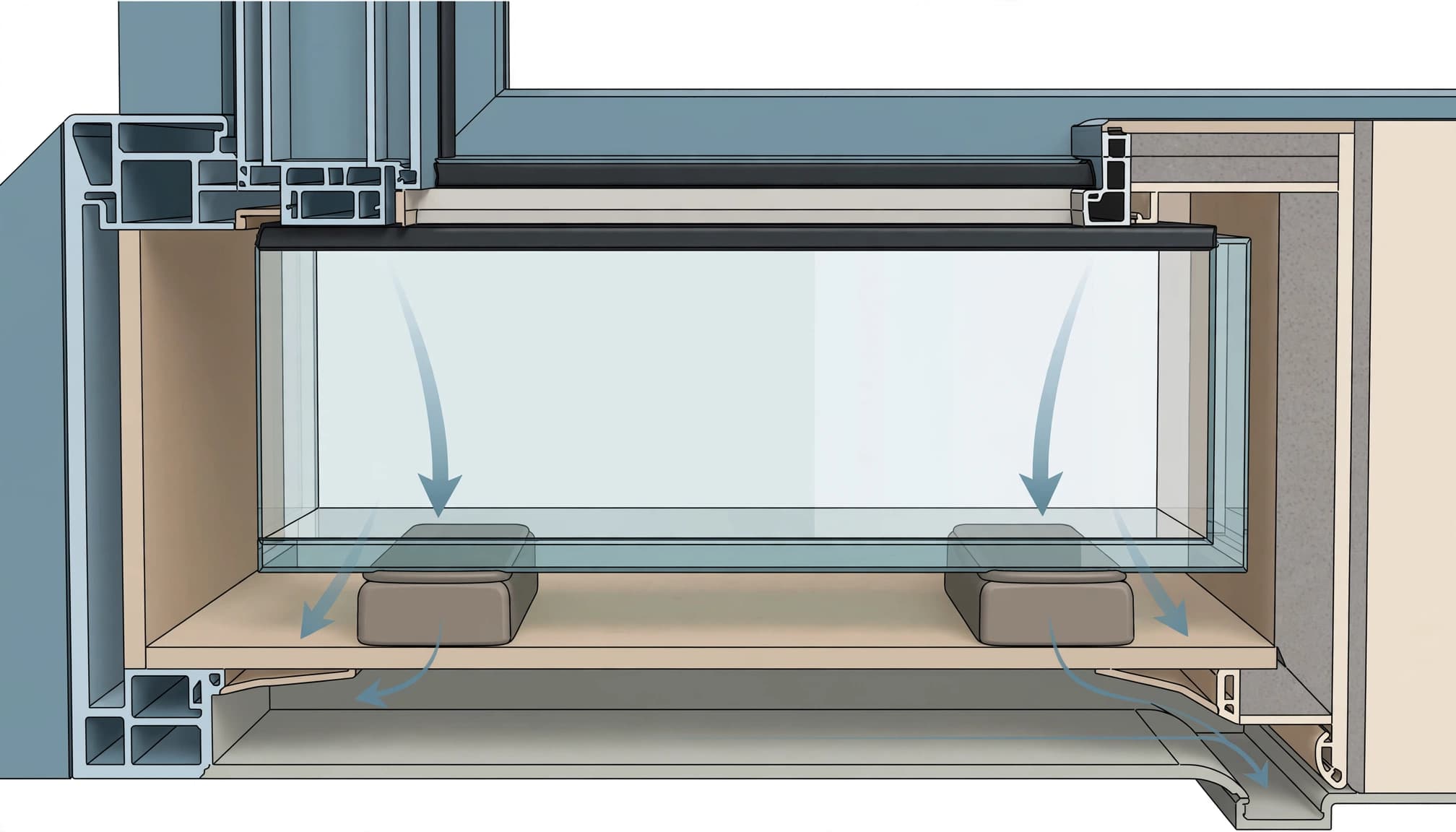
They help prevent direct glass-to-frame contact
Glass edges can be vulnerable to concentrated pressure. A support between the pane and frame helps avoid direct contact and provides a more controlled point of support.
The frame and glass also respond differently to movement and temperature changes. The glazing system must accommodate the movement its design allows, rather than pinching the glass edge or letting the pane shift freely.
They help keep the pane in position
Setting blocks contribute to the pane's placement within the sash or frame. If glass sits out of position, other parts of the glazing system may not fit or function as intended.
The exact support arrangement depends on the window assembly. There isn't one universal layout for every frame and glass type, so replacement work needs to account for the existing system rather than treating blocks as interchangeable spacers.
Setting Blocks Versus Frame Shims
The names sound similar, but setting blocks and frame shims do different jobs. The easiest way to tell them apart is to look at what each one touches.
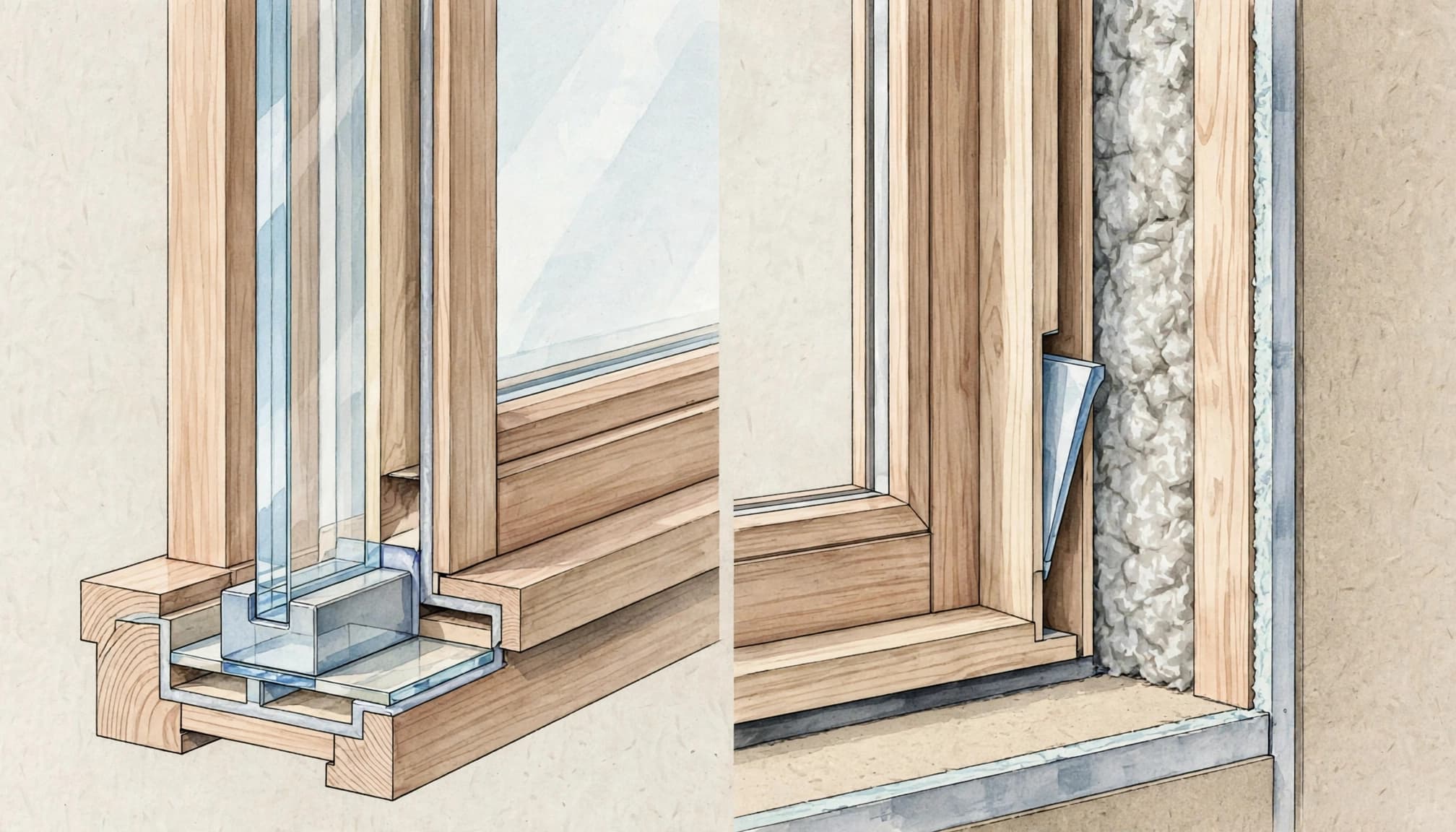
Setting blocks sit between glass and frame
A setting block supports the glass within the window sash or frame. Its position is tied to the glazing system, and its purpose is to support and position the pane.
If you're replacing only the glass, the setting system is directly relevant. It helps determine how the replacement pane sits in the existing assembly.
Frame shims sit between frame and opening
A frame shim goes between the window frame and the rough opening in the wall. Installers use shims as part of positioning or adjusting the frame. They don't support the glass inside the sash.
Confusing the two can lead to misunderstandings when discussing a repair. Replacing a setting block doesn't correct a frame that's out of position, and adjusting the frame doesn't automatically resolve a glass-support problem.
When Glass-Only Replacement May Be Appropriate
A cracked pane or failed insulated glass unit doesn't always mean the entire window needs replacement. Glass-only work may be suitable when the existing sash and frame can hold correctly sized replacement glass and remain in sound condition.
The frame still needs attention during the assessment. A replacement pane can't correct a warped sash, serious corrosion, a damaged frame, or a window that doesn't operate properly.
Check the sash and frame, not only the glass
Before ordering replacement glass, consider whether the sash holds its shape and operates as it should. Look for visible damage, movement, corrosion, or signs of water around the window. These conditions can affect how well a new pane fits and stays supported.
If the frame is sound, replacing the glass may preserve the existing window assembly. If the frame or sash is damaged, broader work may be more appropriate. Our guide to window glass repair versus sash replacement explains why the scope depends on which part has failed.
Match the pane to the existing glazing system
Replacement glass needs to suit the window's dimensions and the frame's glazing arrangement. The installation also depends on compatible retaining and sealing components. A pane that doesn't fit the system may not sit or operate correctly, even if it looks close to the original.
For window glass repair and replacement, we assess whether the existing frame can accept a replacement pane. The work may involve a single pane or an insulated glass unit, depending on the window and the damage.
Water Management and Coastal Conditions
Setting blocks support glass, but they don't make a window watertight. Gaskets, sealants, and the frame's design all play roles in managing water. The assembly also needs to preserve its intended drainage paths.
Weep holes and other drainage features should remain open. Sealing over a designed outlet can leave water with nowhere to go, so a fresh bead of sealant shouldn't block the window's drainage route.
Salt air can leave residue on exposed frames and hardware in coastal areas. Regular rinsing with fresh water and a mild cleaner can help remove residue, while the manufacturer's care instructions should guide cleaning choices.
For homeowners in Cape Coral, Bonita Springs, Estero, Naples, Lehigh Acres, and Punta Gorda, a local window assessment can consider the condition of both glass and frame. We provide replacement glass services in Southwest Florida, including Florida replacement window glass.
What Happens During a Professional Glass Replacement Visit?
A glass replacement visit begins with an assessment of the window. The technician identifies the window construction, examines the frame and sash, measures the glass, and discusses whether glass-only replacement fits the condition of the assembly.
After the replacement glass is prepared, the damaged pane and old glazing materials are removed. The frame is cleaned and assessed before the new glass is installed and secured with the appropriate support and glazing components.
Prepare the area safely
Before the appointment, move furniture and decorations away from the window where practical. If the pane is broken, keep children and pets away from the opening, and don't touch loose shards. Removing glass or dismantling a window can cause injury, especially when a pane is loose or hard to reach.
For more on preparing the work area, see our guide to getting ready for window glass replacement.
Pay attention to how the window performs afterward
After installation, the window should sit and operate as intended for its design. Watch for visible movement, rattling, or signs of water around the frame. Those symptoms can point to a fit, glazing, or surrounding-frame issue that deserves attention.
A glass replacement is one part of the repair. The support system, sealing components, and condition of the frame all contribute to the result.
Frequently Asked Questions
Are setting blocks the same as spacers between insulated glass panes?
No. Setting blocks support glass at the window frame. A spacer in an insulated glass unit separates the panes within the sealed unit. They're in different locations and have different functions.
Can I replace a setting block myself?
Glass can be heavy and break unexpectedly, especially if it's cracked, loose, or above ground level. Removing glazing materials may also release the pane or damage nearby components. A professional assessment is the safer choice when the glass needs to come out.
Does every replacement pane need the same setting blocks?
The support arrangement depends on the window and its glazing system. A replacement should work with the existing frame and the glass it's designed to hold. A generic part may not suit a custom or older window.
Do setting blocks stop window leaks?
No. They support and position the glass, but water management also depends on the frame, gaskets, sealants, and designed drainage paths. A setting block can't repair a failed perimeter seal or a damaged frame.
A Secure Replacement Starts With the Whole Assembly
Setting blocks support replacement glass at the frame, while shims help position the frame in the wall opening. Keeping those roles clear makes it easier to understand what a window repair needs.
The pane, support system, glazing components, and frame all affect the final fit. A sound replacement begins with assessing how the complete assembly holds the glass.