
Custom Shower Glass in Fort Myers: How to Choose
Custom shower glass gives you an enclosure built for your bathroom's finished dimensions, rather than a standard-size opening. The right choice depends on how your shower is laid out , how much room a door has to move, and the look you want.
For homeowners planning a remodel, those decisions are easier to make before the glass is measured and fabricated. Start with the shape of the enclosure and the way you'll use it each day.
Choose a Shower Enclosure That Fits Your Bathroom
A custom enclosure can work with an alcove, a corner shower, or a tub. Its design may include one door, a fixed panel, or several pieces of glass. The best layout depends on the finished opening and the space around it.
Frameless and Framed Enclosures
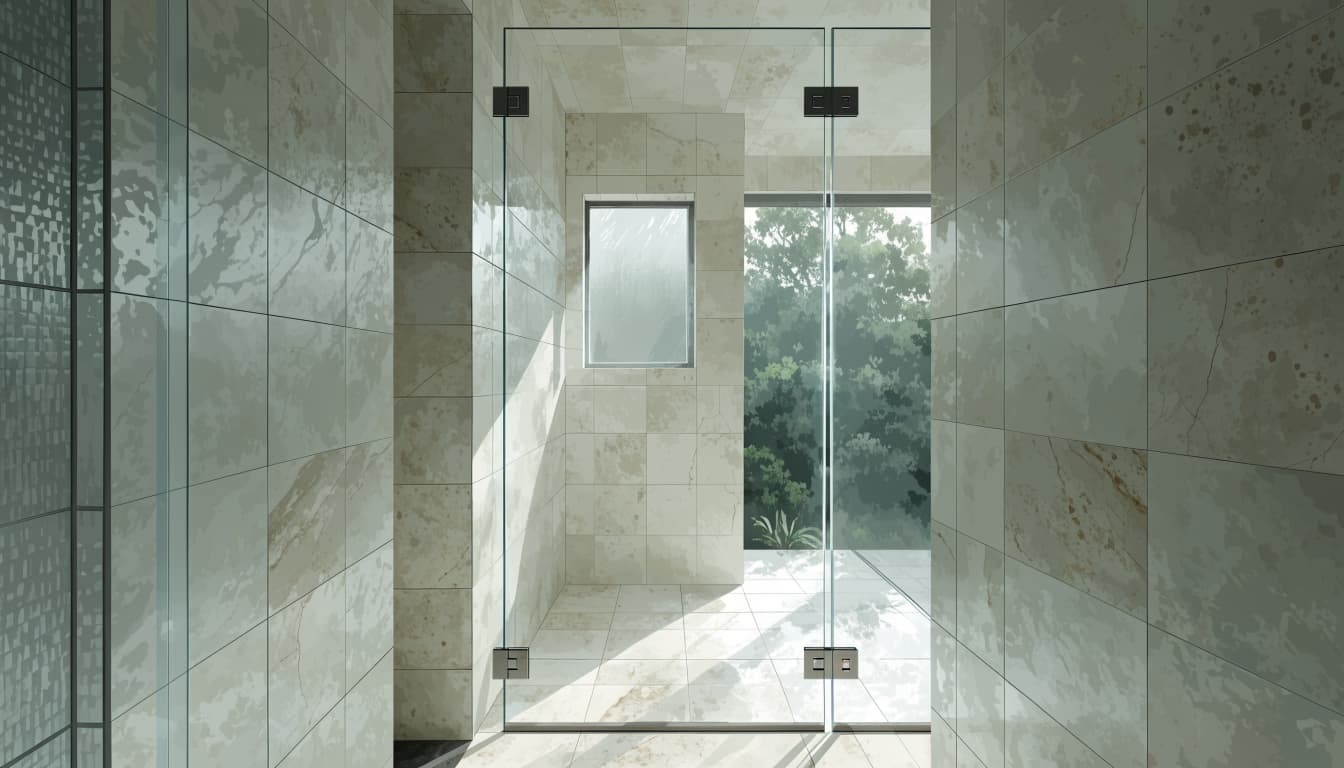
Frameless shower glass uses hinges, clips, or other hardware without a full metal frame around each glass panel. The exposed edges create a clean look and keep tile visible through the enclosure.
Framed enclosures use metal framing around the glass. That framing gives the enclosure a more defined outline, which can suit a traditional bathroom or coordinate with other metal finishes.
Both styles need the right glass and secure attachment. Your choice comes down to the appearance you prefer and the construction that fits your shower.
Corner, Alcove, and Tub Layouts
An alcove shower sits between walls, so it may need a door across the opening or a door paired with a fixed panel. A corner shower often needs glass on more than one side, with the panels meeting at a corner.
A tub enclosure has its own considerations. The glass must fit the tub opening while leaving comfortable access for cleaning and getting in and out. Our custom glass shower enclosures include options for showers and tubs throughout Southwest Florida.
Pick a Door That Works With Your Space
The way a door opens affects more than appearance. In a Cape Coral bathroom, for example, a vanity or toilet near the shower may limit the room available for a swinging door. Consider the entire bathroom, not only the shower opening.
Swinging Shower Doors
A hinged door opens on a swinging path. Before choosing one, consider where the handle will travel and whether the door can clear nearby fixtures, towel bars, and bathroom doors.
The glass also needs suitable support where the hinges attach. Wall conditions and the enclosure's design help determine the right mounting arrangement. A fixed panel beside the door can be useful when the opening is wider than the door itself.
Sliding and Bypass Doors
A bypass enclosure uses sliding panels, so it doesn't require the same floor clearance as a swinging door. This style can work well along a tub or in a bathroom where a nearby fixture restricts door movement.
With a sliding design, consider the width of the usable entrance as well as the overall opening. You'll want enough room to enter comfortably and reach the shower controls without awkward movement.
Select Shower Glass for Safety and Appearance
The glass you choose affects privacy and how much of the surrounding tile remains visible. Safety is the first consideration, followed by the finish that suits the room.
Why Tempered Glass Matters
Shower enclosures should use safety-tempered glass. If it breaks, tempered glass is designed to break into small pieces rather than large, sharp shards.
Fabricators cut, polish, and drill the glass before tempering. Once tempered, a panel cannot be cut or drilled without breaking. That's one reason the final measurements and hardware choices matter before fabrication begins.
The appropriate thickness depends on the enclosure and its support. Our guide to shower glass thickness for custom enclosures explains why thickness is only one part of a safe installation.
Clear and Patterned Glass
Clear glass keeps the shower tile visible and allows light to pass through the enclosure. It's a natural fit if you've chosen tile you want to see throughout the room.
Patterned or specialty glass can offer a different appearance and some privacy, depending on the product. If you're comparing options for a Naples bathroom, consider the view from the doorway and how the glass will look alongside your tile and fixtures.
Schedule Measurements After Finish Work
A shower opening that looks square can still have small variations. Tile thickness, wall angles, and curb slope all affect the size and shape of the glass. Measuring too early can mean the finished surfaces no longer match the planned enclosure.
Installers typically measure the opening at more than one height and assess both sides. They also look at the curb, the depth of any return panel, and the locations where hardware will attach.
For example, if a tiled wall leans slightly, the glass may need to account for that angle. A single width taken at the center of the opening wouldn't tell the whole story. Our guide to what installers measure for a custom shower door covers the details.
Before a measurement appointment, have the shower's finished surfaces in place. If you're remodeling an Estero home, that includes the tile and curb that will meet the glass. Final hardware and door choices also need to be part of the plan because they affect the fabricated panels.
Choose Hardware That Complements the Glass
Hinges and handles are the parts you'll notice and touch every day. The hardware that holds fixed panels in place matters, too. Its position affects both the finished appearance and how the enclosure is supported.
Hinges and Handles
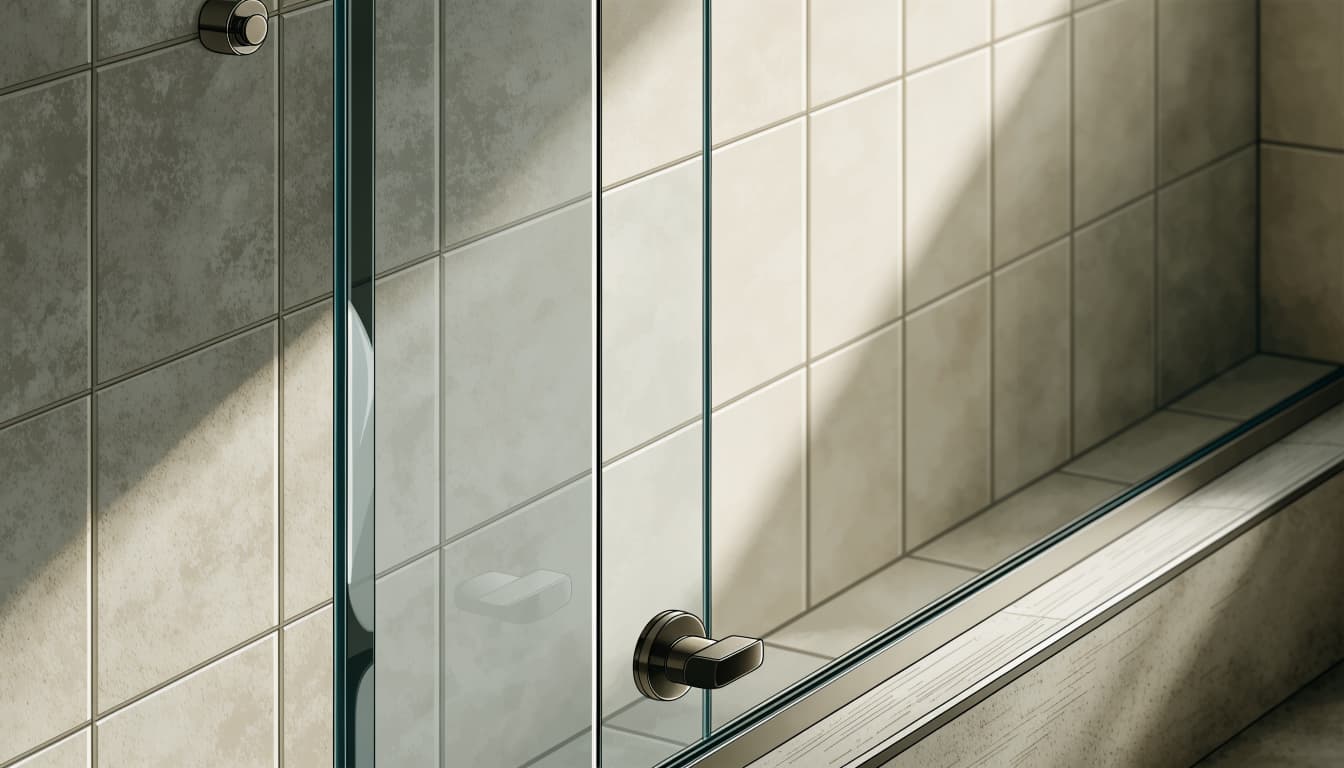
A handle should be comfortable to reach and use, while the hinges must suit the door and its attachment points. Consider how the door will open before settling on hardware placement.
Finish is a visual choice as well. Matching the shower hardware to faucets or other bathroom fixtures can give the room a consistent look. A contrasting finish can work too, especially when it's repeated elsewhere in the room.
Clips and Channel
Fixed glass panels may use clips or a metal channel, depending on the design. Clips provide attachment at selected points, while channel runs along an edge of the glass.
The choice affects what you see along the wall or curb, but the supporting surface matters too. Our comparison of U-channel versus clips for shower glass looks at the mounting methods in more detail.
Plan for Fabrication and Installation
Custom glass requires several stages before the panels arrive at your home. Understanding the sequence can help you coordinate the enclosure with the rest of a bathroom remodel.
Measurement Comes Before Fabrication
The process typically starts with a consultation or site visit. Once the shower is ready, the finished opening is measured and the enclosure details are established.
The glass is then cut, polished, and tempered. Any required holes are made before tempering, and hardware may need to be ordered for the project. The custom shower glass installation timeline explains how those stages fit together.
Because the panels are made for the opening, allow for fabrication when planning the rest of the work. The day the enclosure goes in is only one part of the project.
What Happens on Installation Day
For a straightforward enclosure, the on-site work often takes part of a day. A more complex design can take longer, particularly when it includes multiple panels or specialty hinges.
Installers set the glass, attach the hardware, and apply sealant where the system calls for it. They also check the door's movement and the fit of the panels.
If you're replacing an older enclosure in Lehigh Acres, removal or additional trim work can affect the on-site schedule. Follow the sealant's curing instructions before using the shower, even if the installation itself is complete.
Keep Your Shower Glass Looking Clean
Regular care helps prevent soap residue and mineral deposits from building up on the glass. It also gives you a chance to notice changes in the door or hardware before they become harder to address.
After showering, use a soft squeegee or cloth to remove water from the glass. Pay attention to the lower edges, where water can collect. For routine cleaning, use a nonabrasive product suitable for the glass and hardware, then rinse and dry the surfaces.
Avoid abrasive pads and harsh cleaners that could scratch the glass or damage a hardware finish. If your bathroom has natural stone, choose cleaning products appropriate for the stone as well.
A door should continue to move smoothly without rubbing against another panel or the surrounding tile. If you notice a loose handle, damaged seal, or change in the way the door closes, arrange for a professional to assess it rather than forcing the glass into position.
Frequently Asked Questions About Custom Shower Glass
Can Custom Glass Fit an Uneven Shower Opening?
Custom panels can be fabricated to account for variations in a finished opening. Measurements help establish the wall angles and panel dimensions needed for the design.
Does a Frameless Shower Need Hardware?
Yes. A frameless enclosure still needs hardware to attach and support its glass. The difference is that it doesn't use a full frame around every panel.
Can Shower Glass Be Changed After It's Tempered?
Tempered glass cannot be cut or drilled afterward without breaking. Panel dimensions and hardware holes must be established before tempering.
Plan Your Shower Around the Finished Space
Custom shower glass works best when the layout, door movement, and attachment points are considered together. Finished surfaces and accurate measurements give the glass the fit it needs.
Whether your project is in Fort Myers, Punta Gorda, or Bonita Springs, we can help you discuss the enclosure that suits your bathroom.
Contact Caloosahatchee Glass & Mirror for a free estimate on your shower glass project.