
Rainbow Patterns on Glass in Fort Myers: What They Mean
Rainbow patterns on glass don't automatically mean a window is damaged or needs replacement. Color alone can't tell you what's happening inside the pane or whether its seal has failed.
In a sunny Fort Myers home, you may notice colors only at certain angles or times of day. A closer look at the surrounding glass and frame can help you decide whether the pattern needs professional attention.
What Rainbow Patterns on Glass Can Tell You
A rainbow-like patch is a visual effect, but its appearance doesn't identify a specific problem. You might see a faint band, a broad patch of color, or a pattern that changes as you move around the room.
Pay attention to what else you can see. A clear pane with a shifting patch of color is different from one with trapped moisture, a crack, or a view that looks distorted through the glass.
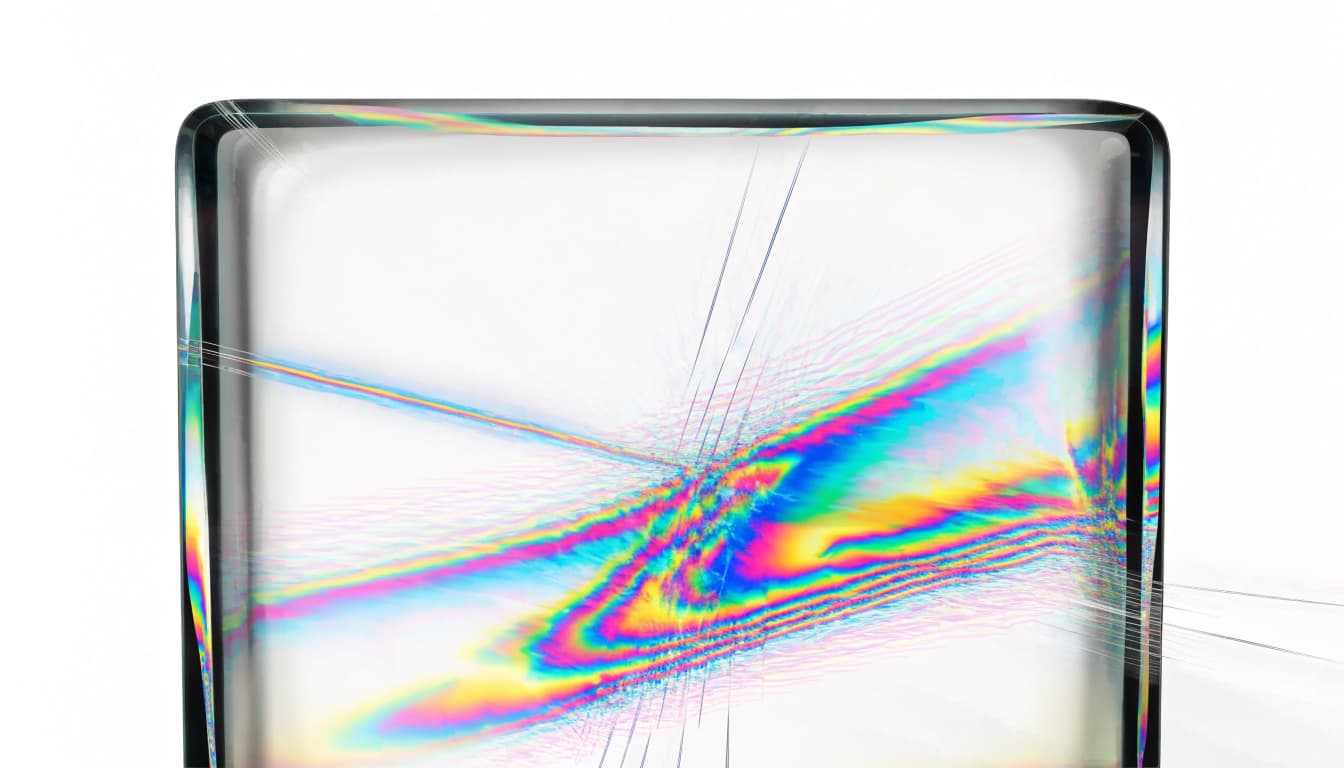
The distinction matters for replacement decisions. A color pattern by itself isn't proof of seal failure , so replacing the glass without looking for other symptoms may not be necessary.
Separate Color Patterns From Other Glass Changes
Windows can show several visual effects at once. Looking at each one separately makes it easier to describe what you're seeing.
Wavy reflections and distorted views
A reflected roofline, palm frond, or pool cage may appear to bend as you walk past a window. Minor changes in reflection can occur in tempered or insulated glass, especially at an angle.
Tempered glass can develop slight surface variations during manufacturing. Insulated panes can also flex as conditions change. Neither observation establishes the cause of a rainbow-like patch.
If a straight object looks distorted when you view it through the center of the pane, rather than in its reflection, arrange an evaluation. Our guide to why window glass can look wavy covers the difference in more detail.
Surface marks and changes in appearance
Dust, mineral deposits, old film, and surface wear can affect how a window looks. Start with a gentle cleaning of the accessible glass before judging its clarity.
If you're comparing a new pane with an older one, look at both in direct sun and shade. Differences in glass and coatings can change their appearance. Our guide to matching new glass to existing windows explains what can affect the match.
How to Examine the Window Safely
You don't need to take apart a window to make useful observations. A view from inside and a safe spot outside is enough to collect information for a glass professional.
Look at the pane in different light
View the window from your usual position in the room, then shift to either side. Notice whether the colors stay in the same place or become more visible at a certain angle. If possible, compare the pane with a similar window nearby.
Look again in shade and when sunlight reaches the glass. In Naples, for example, a window facing a bright afternoon sky may look different from one on the shaded side of the same home. A change in appearance is useful to note, but it doesn't identify the cause.
Check both accessible surfaces
Clean and dry the room-facing surface with a soft cloth. If the exterior is safely reachable, clean that side too. Don't climb to an upper window or press hard against the pane.
A mark that wipes away is on the surface you cleaned. If haze or streaking remains after both sides are clean, it may be between the panes. Don't remove glazing stops, drill into the frame, or try to reach the space inside an insulated unit.
When Haze Points to a Seal Problem
A double-pane window has a sealed space between its panes. Persistent fog, droplets, or mineral-like streaks inside that space are strong signs that the perimeter seal has failed.
That differs from condensation on an accessible surface. Exterior moisture may disappear as the sun warms the glass, while room-side moisture can form when humid indoor air meets a cooler pane.
If the haze stays between the panes, ordinary glass cleaner can't reach it. Our guide to signs of a failed window seal explains what to look for. A rainbow pattern alone doesn't establish that the seal has failed.
When to Request a Glass Evaluation
Arrange a professional assessment if you see a crack, chip, trapped moisture, bent spacer, or distortion that makes the view through the pane difficult. A sash that binds or no longer locks properly also deserves attention.
Take photos from a safe position while the appearance is visible. Include the full window, a closer view of the affected area, and any damage to the frame or surrounding trim. Note whether the colors appear in reflection, through the glass, or alongside another visible issue.
For a cracked or loose pane, keep children and pets away. Don't press on the glass, force the sash, or attempt to remove broken pieces from the frame.
At Caloosahatchee Glass & Mirror, we offer glass repair and replacement for property owners in Fort Myers, Cape Coral, and surrounding communities. When the glass needs replacement and the existing frame is suitable, a glass-only repair may be an option.
Start With the Whole Window
Rainbow colors can be noticeable without telling you whether anything is wrong. The useful clues are the condition of the glass, the space between panes, and the frame around it.
Look for persistent haze, damage, or operating problems before deciding on a repair. If you're unsure what you're seeing, a glass evaluation can help identify the appropriate next step.