
Single vs. Double Strength Window Glass in Fort Myers
Double strength window glass is thicker and heavier than single-strength glass of the same size. It can be a practical choice for some larger openings, but the existing frame and the window's safety requirements matter as much as the glass itself.
The word strength can be misleading when you're comparing replacements. It describes the glass thickness, not the number of panes or whether a window is approved for hurricane protection.
Here's what the difference means when you're repairing or replacing a window in Southwest Florida.
What Single-Strength and Double-Strength Glass Mean
Single-strength and double-strength describe two common thickness categories for sheet glass. Despite the names, double-strength glass isn't twice as thick as single-strength glass.
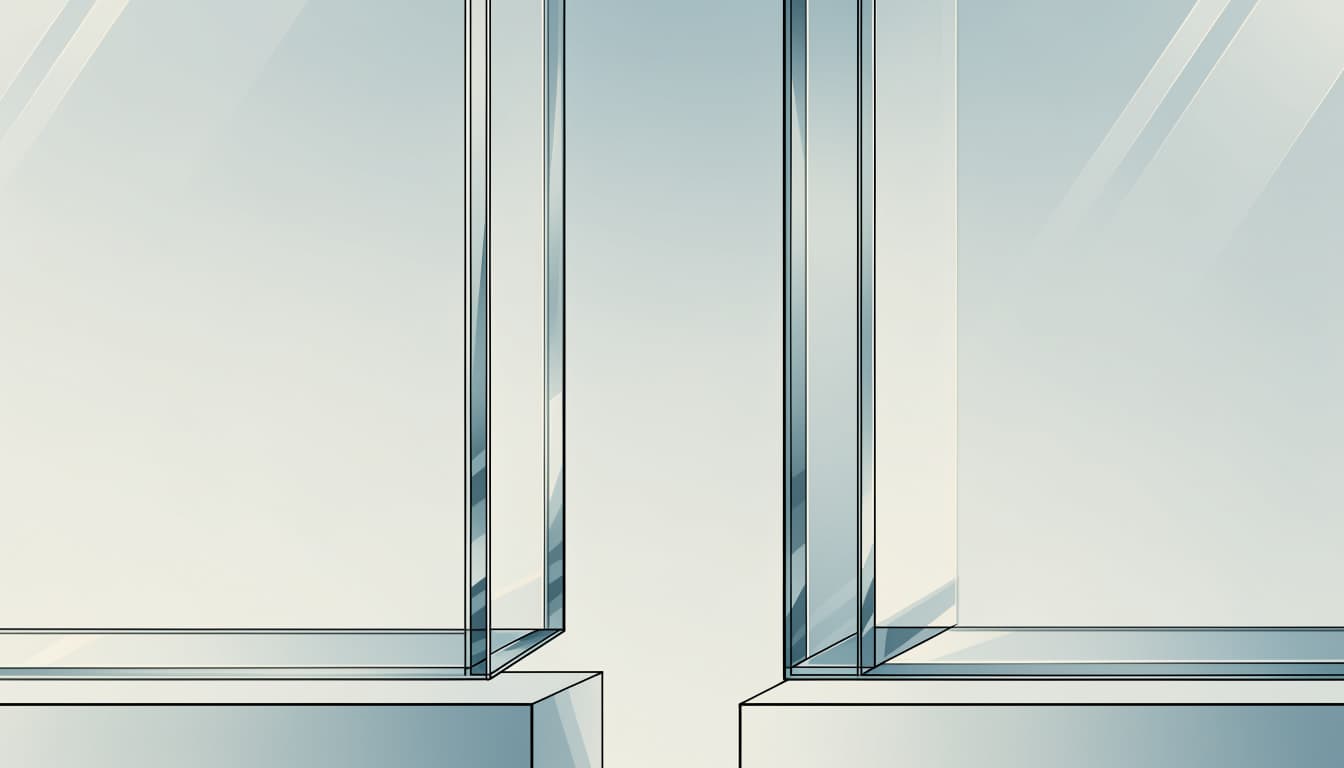
Both types can be used as a single sheet in a window. The right choice depends on the opening's dimensions, how the glass is supported, and whether the window needs safety or storm-rated glazing.
The comparison below assumes ordinary glass sheets of the same size.
| Feature | Single-strength glass | Double-strength glass |
|---|---|---|
| Thickness | Thinner sheet | Thicker sheet |
| Weight | Lighter | Heavier |
| Typical use | Often found in smaller or older windows | May be selected for larger openings when the frame and requirements allow |
| Rigidity | Flexes more readily | Generally stiffer |
| Safety or storm rating | Depends on the product and assembly | Depends on the product and assembly |
The takeaway is that double-strength glass gives you a thicker sheet, but its suitability depends on the complete opening. A large picture window, for example, may need a different glass specification altogether.
How Thickness Affects Everyday Durability
A thicker sheet generally resists bending better than a thinner sheet of the same material and dimensions. That can matter in a broad window, where more glass spans the opening.
Rigidity and breakage
Double-strength glass may feel more substantial, but ordinary glass in either thickness can crack. An impact, pressure on an unsupported edge, or movement in a damaged frame can cause a break.
The size and shape of the pane also matter. A small piece of single-strength glass and a large piece of double-strength glass don't face identical demands, even when they're made of the same material.
Weight and handling
Because it contains more glass, a double-strength sheet weighs more than an equally sized single-strength sheet. That difference affects handling during installation and may affect a movable window's operation.
A pane that's too heavy for worn sash balances can make a window harder to raise or keep open. Replacing cracked glass alone won't repair a failing balance, hinge, or track.
For homeowners in Cape Coral, the practical decision starts with the whole window: the glass, its supports, and the hardware that moves it.
Glass Strength Is Different From Pane Count
Single-strength and double-strength refer to the thickness of a glass sheet. Single-pane and double-pane describe how many panes make up the window's glazing.
A single-pane window
A single-pane window has one sheet of glass. Depending on the opening and its requirements, that sheet could be single-strength or double-strength.
Changing the thickness doesn't add another pane or create an insulating air space. If heat near the window is your main concern, thickness alone tells you little about the complete window's thermal performance.
A double-pane window
A double-pane window has two panes separated by a sealed space. Together, the panes, spacer, and seal form an insulated glass unit, often called an IGU.
Individual panes in an IGU can have different glass specifications. The full unit's thickness, however, includes the space between them, so it may be much thicker than a single sheet.
Our comparison of single-pane and insulated glass for older homes explains why an older sash may not accommodate an insulated unit. Insulated glass also doesn't automatically qualify as impact-rated glass.
Will Thicker Glass Fit Your Existing Window?
An upgrade only works if the replacement fits the frame and the window can support it. More thickness isn't useful if the pane cannot sit securely in its glazing channel.
The frame and glazing channel
The glazing channel is the part of the sash or frame that holds the glass. Its depth and width, along with the stops and seals, limit what can be installed.
A frame designed for a thinner sheet may not have room for a thicker replacement. Forcing the glass into place can interfere with proper seating and sealing.
The frame's condition matters too. Water damage, corrosion, or loose glazing components may need attention before a new pane can perform as intended.
The sash and hardware
In an operable window, the sash, balances, hinges, and other hardware must support the replacement's weight. A fixed window has different demands because it doesn't move, but its frame still needs to hold the glass securely.
For an insulated unit, matching involves more than the thickness of each pane. The overall unit, spacer, coating, and any specified gas fill may matter.
In Lehigh Acres, an older window with sound glass supports may be a good candidate for a focused repair. A damaged sash or frame can point toward a larger project.
When Safety Glass Matters More Than Thickness
Ordinary double-strength glass doesn't automatically meet safety-glazing requirements. Depending on its location, a window or door may need glass designed to reduce the risk of injury when it breaks.
Glass near doors, low windows, and certain bathroom openings can fall under safety-glazing rules. The applicable requirements depend on the opening and project, rather than on thickness alone.
Two common safety-glazing options are tempered and laminated glass:
- Tempered glass breaks into smaller pieces when it fails, which can reduce the risk of serious cuts.
- Laminated glass has an interlayer that helps hold broken pieces together, preserving a barrier after breakage.
These products aren't interchangeable in every application. Our guide to residential safety glass requirements covers why the window's location matters.
For a Bonita Springs home, a pane beside a door may need a different specification than an ordinary window elsewhere in the same room. The opening's location comes first; the glass choice follows.
Southwest Florida Weather Changes the Decision
Strong sun, heavy rain, and hurricane exposure make it important to separate everyday glass selection from the performance of a complete window system.
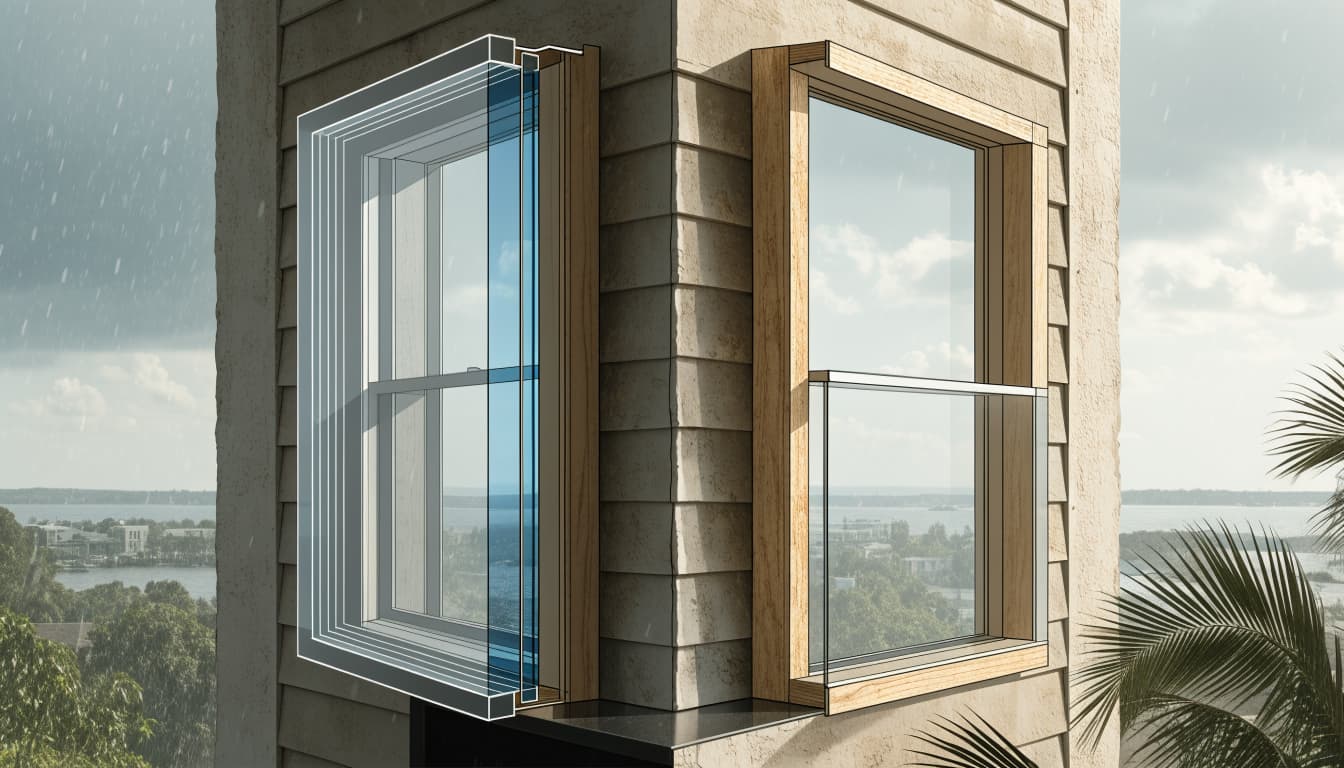
Storm protection involves the whole assembly
Impact-rated windows rely on a tested system that includes the glass and frame. The installation must also follow the system's approved requirements.
Many impact systems use laminated glass, but the word "laminated" alone doesn't establish an impact rating. Likewise, choosing ordinary double-strength glass doesn't turn an existing window into an approved impact system.
For a Naples home, exposure, opening size, and the applicable requirements all affect the replacement choice. Some properties may use an approved window system, while others rely on a suitable shutter system for opening protection.
Solar heat calls for different features
A sunny window in Estero may also need attention for comfort. Low-E coatings and insulated construction address heat transfer in ways that a thickness description doesn't explain.
When comparing complete window products, solar heat gain coefficient (SHGC) describes how much solar heat a window admits. A lower SHGC means less solar heat passes through the rated window.
The choice may involve tradeoffs with daylight and appearance. Our guide to choosing Low-E replacement glass explains the performance features to consider.
Glass-Only Repair or Full Window Replacement?
A cracked pane doesn't always mean you need an entirely new window. If the frame is sound and the proper replacement glass can be installed, glass-only repair may preserve the existing window.
This approach can make sense when a single sheet is damaged but the sash operates properly. It can also apply to a failed insulated unit when the surrounding assembly remains in good condition.
Fog or a milky appearance between insulated panes can indicate a failed perimeter seal. In that case, replacing the complete insulated glass unit may restore clarity without removing the entire frame.
A full replacement may make more sense when the frame is badly damaged, water enters around the opening, or the project calls for a different tested window system. Visible symptoms alone don't always identify the cause, so the surrounding parts deserve attention too.
Our guide to glass-only window replacement explains when an existing frame may be worth keeping. For homeowners in Punta Gorda, the choice comes down to the condition and construction of the individual window.
What Affects the Cost of Replacement Glass?
Double-strength glass can cost more than a comparable single-strength sheet because it uses more material. The difference in the glass price is only part of a replacement estimate, however.
Pane size and shape affect the job. A straightforward rectangular pane generally involves different fabrication and handling than an arched or unusually shaped piece. Access to an upper-floor window can also change the installation work.
Safety treatment, laminated construction, Low-E coatings, and insulated units add different specifications to the order. If a frame or hardware needs repair, that work affects the project scope as well.
The most useful comparison is between estimates for the same opening and complete scope . One quote for ordinary sheet glass and another for a custom insulated or safety-glazing unit may describe different jobs.
We offer residential glass repair and replacement, including window glass and insulated glass replacement. Our free estimates account for the work the opening needs.
Choose the Glass That Fits the Window
Double-strength glass gives you a thicker, heavier sheet than single-strength glass. That difference can matter for rigidity and handling, but it doesn't tell you whether a window is insulated, safety-rated, or approved for storm protection.
Start with the opening and its condition. The right replacement fits the frame, meets the requirements for its location, and addresses the problem you want to solve.