
Bird-Safe Glass Options for Southwest Florida Homes
Bird-safe glass helps birds see windows by adding visible patterns that break up reflections and transparent flight paths. For Southwest Florida homes, the right choice also needs to fit your view, maintenance preferences, and storm-protection requirements.
You don't always need to replace a window to reduce collision risk. Exterior markings or screens can help on existing glass, while patterned glazing may suit a renovation. Start by looking at why birds strike windows and which features make the glass easier to see.
How Bird-Safe Glass Works
Reflections and Clear Flight Paths
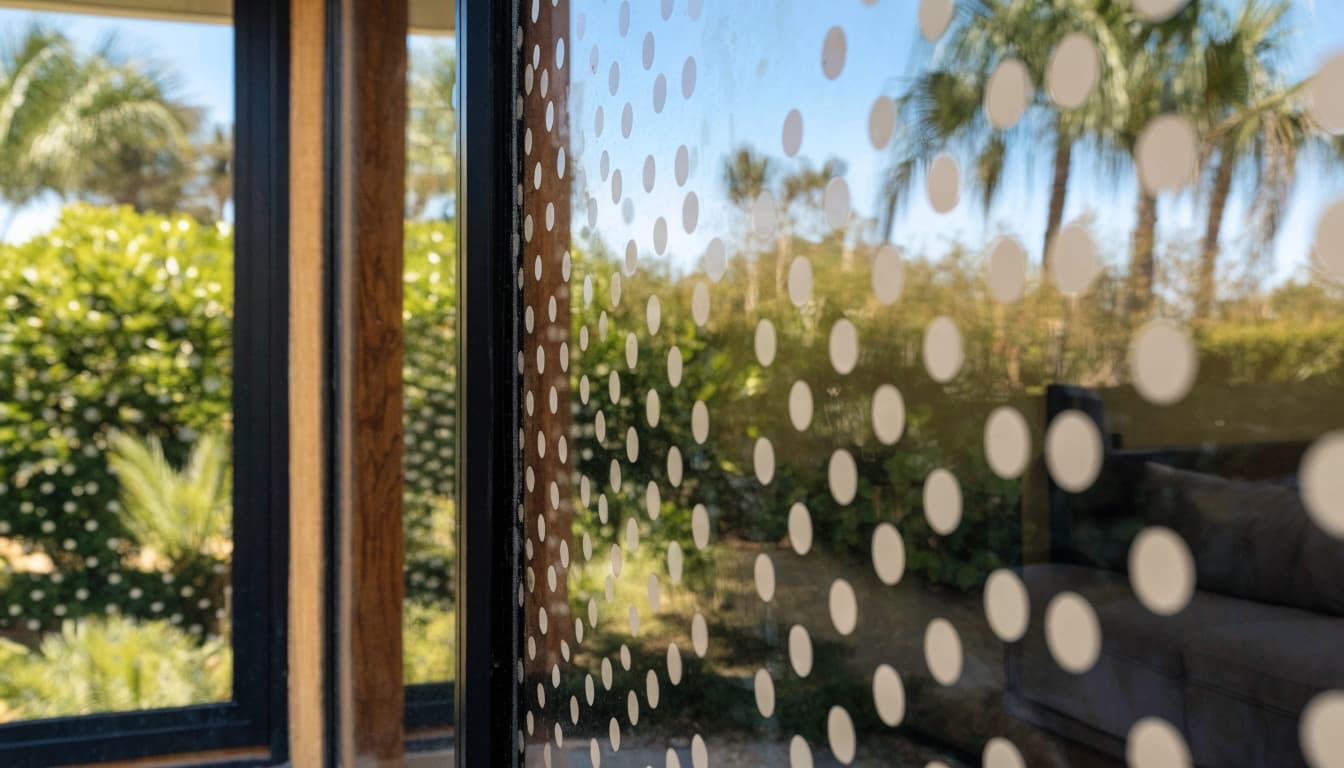
Birds can mistake reflected trees and sky for open space. They may also see through glass toward plants or another window and try to fly through it. A large picture window facing a Fort Myers garden can present either problem, depending on the light and what surrounds it.
Bird-visible dots, lines, and other markings make the surface easier to recognize as a barrier. Exterior patterns are often preferable because they're visible in front of reflections. Interior curtains can reduce views through a room, but they don't necessarily interrupt reflections on the outside.
No treatment guarantees that a bird will never strike a window. The aim is to reduce risk across the glass, rather than mark only one small area.
Spacing and Pattern Placement
The American Bird Conservancy (ABC) recommends patterns spaced no more than 2 inches apart horizontally and vertically . This spacing offers better protection for small birds than the older 2-by-4-inch rule.
ABC's prescriptive rating criteria include solid lines at least 1/8 inch wide, with no more than 2 inches between their edges. Dot patterns also have minimum size requirements. A single bird-shaped decal or a widely spaced decorative grid leaves large gaps that birds may attempt to fly through.
Patterned Glass and Exterior Films
Fritted or Patterned Glass
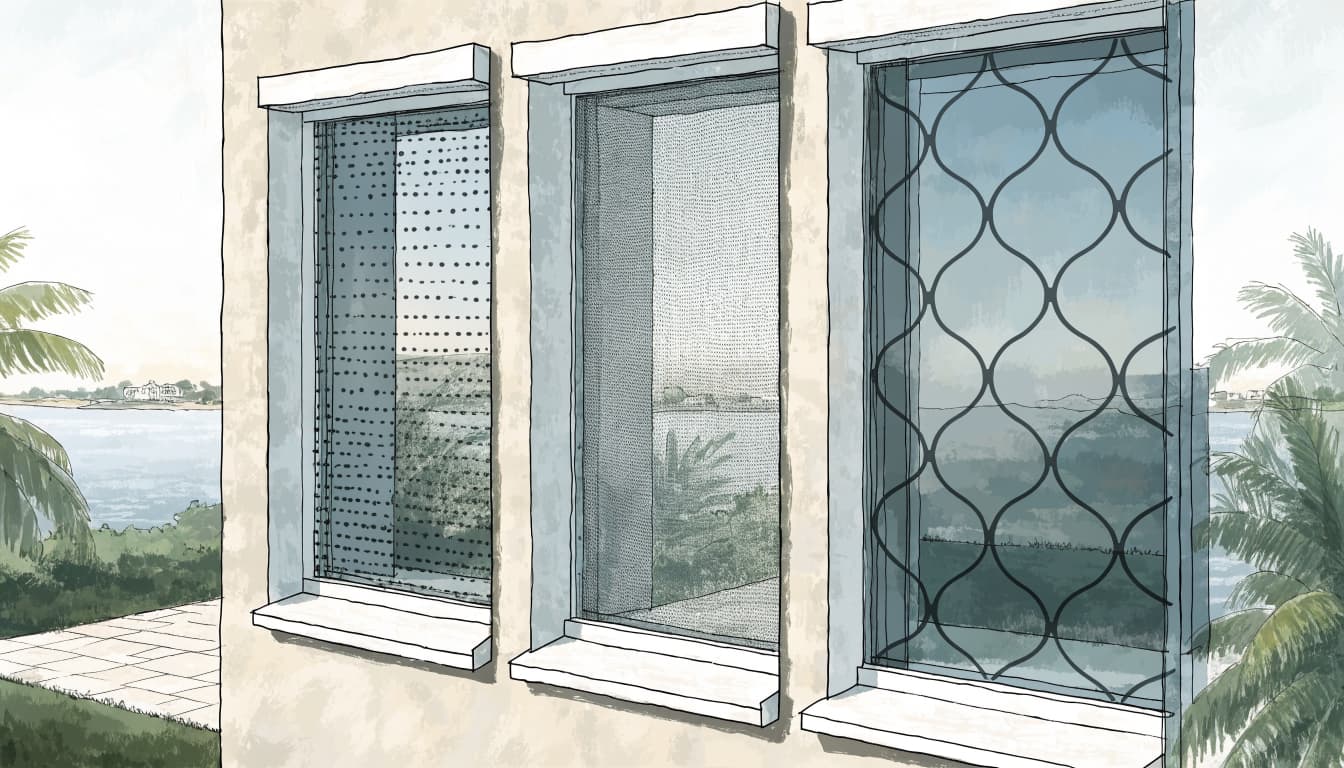
Ceramic frit is a pattern applied during glass manufacturing. It can appear as dots, lines, or other repeated shapes across a pane. Because the design is part of the glass product, it's an option to consider when replacing a window or planning a larger renovation.
Frit can be subtle from inside, although its appearance depends on the size, color, and spacing of the markings. On a broad Cape Coral living-room window, a sample can help you judge how much of the pattern you notice against the landscape.
Placement matters as much as the pattern itself. A design behind a reflective outer surface may be less visible to birds than one on the exterior.
Films and Applied Markings
Exterior films, tapes, and decals can add a pattern to existing glass without replacing the pane. For effective coverage, the markings need to extend across the window at bird-safe spacing. A handful of scattered decals won't provide the same coverage as a close, repeated pattern.
Applied treatments offer choices in appearance, including dots and narrow lines. They also need attention as exterior materials: missing sections or gaps can leave part of the glass difficult for birds to see.
Compare the options based on the opening and your plans.
| Option | Where it fits | Main consideration |
|---|---|---|
| Patterned or fritted glass | A replacement or renovation | The pattern is selected with the glass |
| Exterior film or markings | Existing windows | Coverage and placement matter across the pane |
| Exterior screen | A suitable screened opening | The screen must cover the glass birds approach |
| UV-reflective pattern | A glazing product with UV-visible features | Visibility varies by bird and lighting |
For a window you plan to keep, an exterior treatment may offer a practical starting point. For a replacement, compare the bird-visible pattern alongside the glass and window assembly.
What to Know About UV-Reflective Glass
Some bird-visible glazing uses patterns designed to reflect ultraviolet light. These markings can be less noticeable to people than dots or lines in the visible spectrum, which appeals to homeowners who want an uninterrupted view.
However, UV patterns have limits. The American Bird Conservancy notes that their visibility depends on available UV light and can decrease in shade, overcast weather, or low light near the beginning and end of the day. Birds also differ in how they perceive ultraviolet light.
For a shaded Bonita Springs patio door, consider how those conditions affect a UV-based approach. A visible exterior pattern gives you a different way to mark the surface throughout the day.
UV-reflective bird patterns aren't the same thing as a Low-E coating. Low-E glass manages heat transfer; it shouldn't be assumed to make a window visible to birds.
Screens and Other Ways to Mark Existing Windows
An exterior insect screen can reduce collision risk when it covers the glass birds approach. The mesh gives birds a visual cue and creates a surface in front of the pane. This can be useful on an Estero window where a full exterior pattern would change the view more than you'd like.
Coverage is the important detail. A screen over only the operable half of a window leaves an exposed pane untreated. Similarly, a screened lanai doesn't necessarily address glass elsewhere on the house.
Exterior cords or closely spaced lines are another way to make a window visible. They need consistent spacing across the opening, including the edges. Any treatment also has to coexist with the way the window opens and how the household uses it.
Keep storm protection separate from these choices. An ordinary insect or bird screen is not hurricane protection and doesn't replace an approved impact-resistant assembly or qualifying covering.
Balance Views, Daylight, and Energy Efficiency
Compare the Pattern in the Room
A bird-safe pattern doesn't have to turn a window opaque. Even so, the markings can look different against a bright sky, a shaded garden, or a dark interior. Their visibility will also change as you move closer to the glass.
In Naples, a window facing a water view may call for a different appearance than a pane beside a walkway. Look at a representative sample against the view you want to preserve. Also consider whether a treated replacement pane will look noticeably different beside untreated glass.
Tint affects appearance too. Darker glass can reduce glare, but it also changes the color and amount of light entering a room. A frit pattern and a tint are separate design choices.
Compare Energy Ratings Separately
Bird-visible markings don't tell you how well a window controls heat. For that, compare the complete window's energy ratings. The National Fenestration Rating Council label includes the solar heat gain coefficient (SHGC) and U-factor.
A lower SHGC can be helpful for sunny Southwest Florida openings because it indicates less solar heat passing through the window. U-factor measures the rate of heat transfer; lower numbers indicate better insulation.
A west-facing room may need stronger solar control than a shaded opening. Our guide to Low-E coatings for Florida homes explains how coatings fit into that decision. Pattern placement and coating placement both matter when combining bird visibility with solar control.
Coordinate Bird-Safe Choices With Storm Protection
Glass Is Only Part of the Assembly
Bird-safe markings address collisions. Impact-rated windows address a different problem: windborne debris and pressure during severe weather.
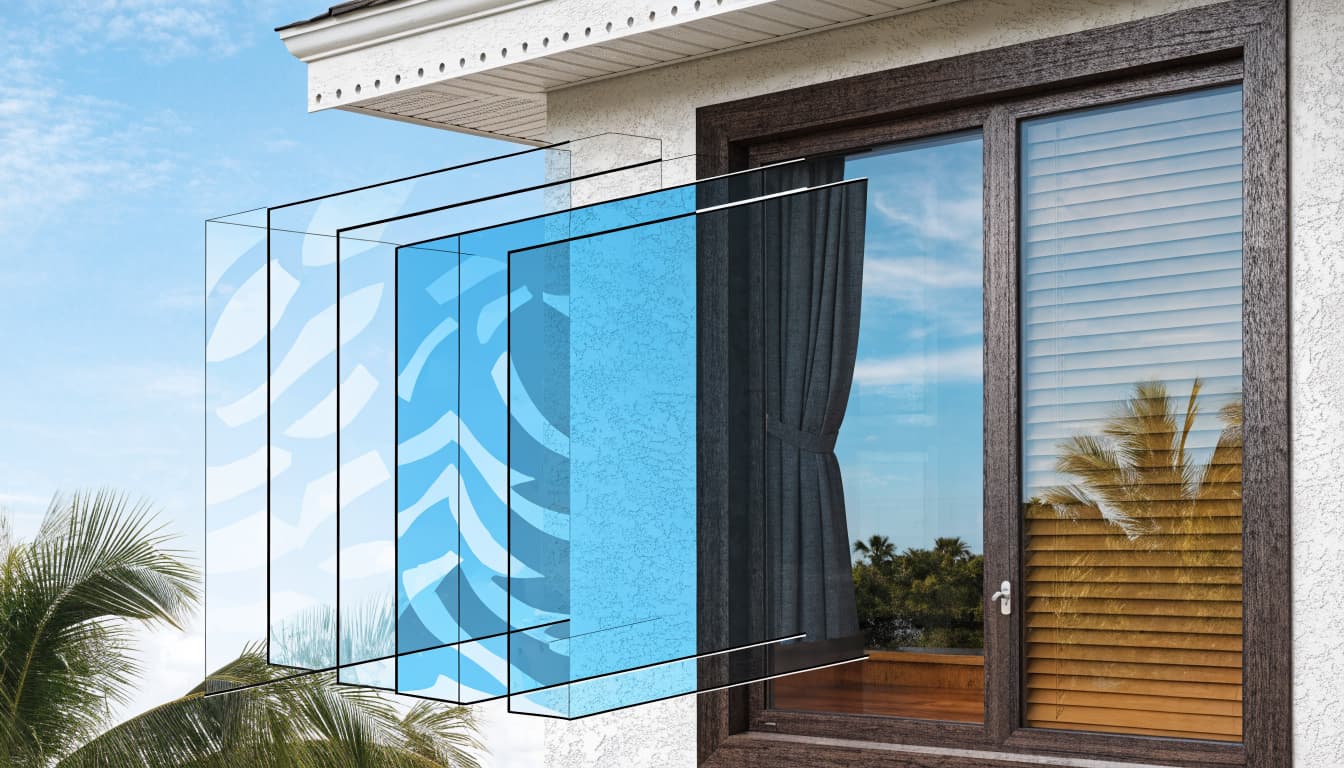
Many impact-rated systems use laminated glass, which has an interlayer that helps hold broken glass together. However, laminated glass by itself isn't automatically hurricane-rated. The frame, glazing, anchors, seals, dimensions, and installation all belong to the tested assembly.
Our comparison of tempered and laminated window glass explains how those materials behave after breakage. Neither name alone establishes that a complete window meets storm-protection requirements.
Plan the Two Features Together
For a Punta Gorda replacement, discuss bird-visible patterns as part of the window selection, rather than treating them as an afterthought. The glass package needs to fit the approved window system and the opening's requirements.
Florida's building provisions can require impact-resistant glazing or qualifying protective coverings for openings in windborne-debris regions. Requirements depend on the property and project. An inland Lehigh Acres home still needs an assessment of its opening and applicable wind requirements.
Avoid drilling into an impact-rated sash or frame to attach a screen or other treatment. A qualified glass professional can help plan a bird-visible approach around the existing assembly and its installation details.
Identify the Windows That Need Attention First
Start outside and look at what each pane presents to a bird. A reflection of trees can make solid glass look like a continuation of the yard. Glass doors opposite another window can create a visible path through the house.
Large panes near vegetation deserve attention, as do windows where you've found evidence of a strike. Treating the whole pane matters more than marking only the spot where a collision occurred.
Then consider the condition of the window itself. If the glass is sound, an exterior pattern or screen may fit your plans. If an insulated unit is fogged, damaged, or due for replacement, you can consider bird visibility while choosing the new glass.
The existing frame also affects the options. Our comparison of single-pane and insulated window glass covers the frame and fit considerations that matter in older homes. Some openings can accept replacement glass; others may need more extensive work.
Read Bird-Safety Ratings in Context
ABC uses a Threat Factor rating to compare tested bird-visible materials. According to its rating guidance, a rating of 30 or lower corresponds to an estimated collision reduction of at least 50% in real-world conditions.
That estimate isn't a guarantee for an individual window. The tested pattern, its placement, and the surrounding conditions all matter. When comparing options, look for the actual pattern and rating rather than relying on a broad "bird-friendly" description.
For an existing treatment, keep an eye on coverage over time. A missing section can leave an opening in the pattern, even if the rest of the window remains marked.
Choose a Window That Works for Your Home
Bird-safe glass makes a window more visible to birds while preserving the daylight and views that make it useful. Close spacing and exterior visibility are good starting points, whether you choose a manufactured pattern or an applied treatment.
For a replacement, consider bird visibility alongside the frame, energy performance, and storm requirements. At Caloosahatchee Glass & Mirror, we offer residential glass repair and replacement and free estimates for homeowners considering their options.