
Window Glazing Gasket Replacement in Southwest Florida
Window glazing gasket replacement may be needed when the flexible seal around your glass no longer fits or seals as intended. The gasket helps cushion the glass and resist air and water entering at the glass edge, but a draft or damp sill can have other causes.
For homeowners in Southwest Florida, the right repair starts with identifying the affected part . A glazing gasket, a glazing bead, and the seal inside a double-pane glass unit do different jobs.
What a window glazing gasket does
A glazing gasket is a flexible strip that fits along the edge of the glass where it meets the window sash or frame. Depending on the window design, it may sit on the interior side, the exterior side, or both.
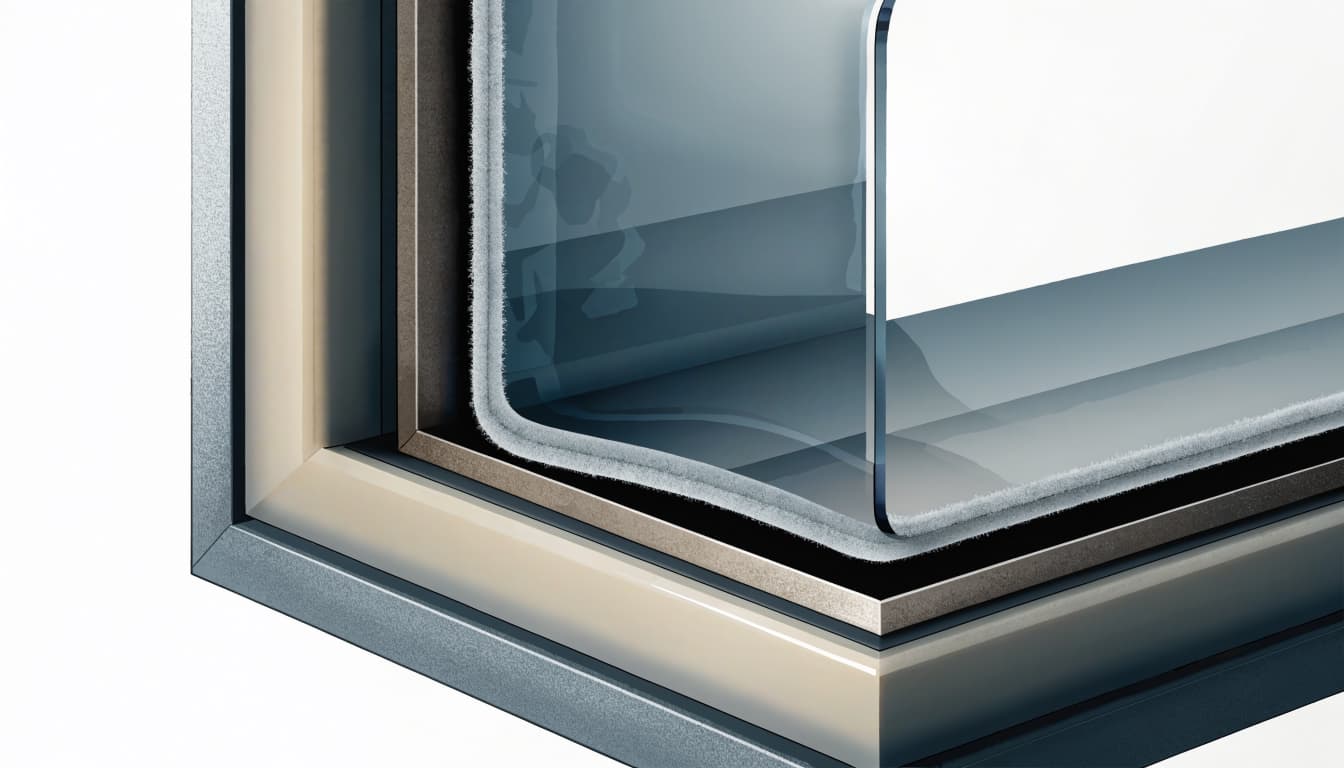
The gasket helps cushion contact between the glass and frame. It also forms part of the window's barrier against air and water at that joint. Its shape allows it to fit the window's glazing channel and make contact with the glass.
Some windows use rubber or rubber-like materials, including EPDM or thermoplastic elastomers. The exact material and shape depend on the window system. A gasket is only one part of that system, so a new strip won't correct every leak or draft.
In Fort Myers, wind-driven rain can expose a weak point that isn't obvious on a dry day. The gasket deserves attention when the gap at the glass edge appears uneven or the material no longer sits against the glass as intended.
How a gasket differs from other window seals
Several parts sit close together around a pane. Knowing which one has a problem helps you avoid paying for a repair that doesn't address the cause.
Glazing beads and weatherstripping
A glazing bead is a retainer that helps hold the glass in the sash or frame. It may look like a narrow strip beside the glass, but it has a different job from the flexible gasket.
A loose or damaged bead can affect how securely the glass sits. Our guide to window glazing bead replacement explains the warning signs and why the replacement profile must match the window.
Weatherstripping usually seals the moving parts of an operable window when it closes. If you feel a draft where the sash meets the frame, weatherstripping or a closing problem may be responsible.
The seal inside double-pane glass
An insulated glass unit, or IGU, has a perimeter seal that encloses the space between its panes. That seal is separate from the glazing gasket around the outside of the unit.
Persistent haze or moisture between the panes often points to an IGU seal failure. Replacing the visible gasket won't reseal the space inside the glass. Our guide to failed double-pane window seals covers those symptoms in more detail.
Signs a glazing gasket may need attention
A gasket doesn't have to fall out completely to deserve a closer look. Changes in its fit or condition can help you identify where a window needs inspection.
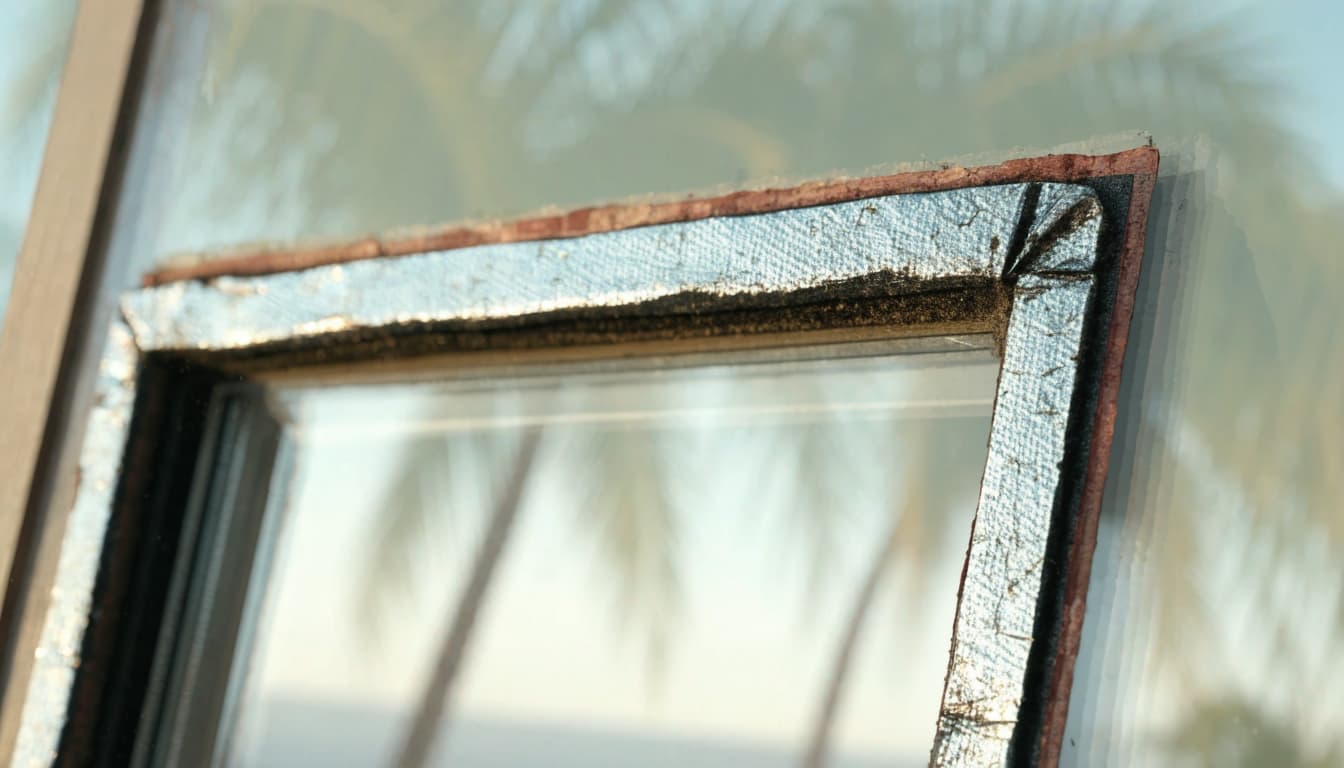
Visible changes along the glass edge
Look for a strip that has pulled away from the glass, shifted out of its channel, or left a gap at a corner. Cracks, flattened areas, or material that appears brittle can also indicate wear.
These signs don't automatically mean the gasket is the source of a leak or that it must be replaced. They do provide a useful starting point for an inspection, especially if the same area repeatedly collects water.
Compare the strip around the full perimeter of the pane. A section that looks different from the rest of the window may be easier to identify than a small change in isolation.
Drafts, water, and movement
Air near the glass edge, water on the sill after rain, or a rattling pane can signal a window problem. Each symptom has several possible causes, including a loose bead, poor drainage, a frame gap, or a sash that doesn't close correctly.
If glass appears loose or moves in its frame, stop operating the window and arrange an inspection. Avoid pressing on the pane to test it. A professional can assess the glass, retainers, and surrounding frame without creating more movement.
How Southwest Florida weather affects windows
Heat, sun, humidity, and heavy rain place demands on window assemblies. As temperatures change, glass and frame materials expand and contract at different rates. Gaskets need to remain properly fitted through that movement.
In Cape Coral and Naples, exposure also varies with the property's distance from salt water and its position relative to prevailing weather. Salt residue can collect on exterior surfaces, while corrosion can affect hardware that helps a sash close tightly.
Inland properties in Lehigh Acres face their own mix of sun, humidity, and wind-driven rain. A west-facing window may receive long periods of direct afternoon sun, while a shaded opening on the same house may experience different conditions.
After a tropical storm or heavy rainfall, look for new staining, loose components, or water collecting inside. Observe exterior windows from ground level and avoid climbing or handling damaged glass. A new symptom after a storm is a reason to have the assembly inspected, even if the pane itself appears intact.
How to inspect a window without taking it apart
Start with a visual inspection on a dry day. Clean accessible glass and frame surfaces with mild soap and water, then use a soft cloth to dry them. Removing dirt makes gaps and changes in the gasket easier to see.
Look along each side of the pane and at the corners. Note whether the strip appears continuous and evenly seated. Don't pull it out to test its flexibility. Some window designs rely on the gasket or adjacent components to keep the glass properly positioned.
For a suspected draft, hold your hand near the closed window on a windy day. Move along the glass edge, then compare the sash perimeter and surrounding frame. Your observation can help narrow the area of concern, although it won't identify the failed part by itself.
Water also needs a location. Moisture on the outside surface of cool glass can be ordinary condensation in humid weather. Our explanation of exterior window condensation can help you distinguish it from other moisture problems.
Photograph any visible gaps or staining. If water appears after rain, note whether it collects at the glass edge, sash, sill, or nearby wall. That information gives a glass professional a useful starting point.
When window glazing gasket replacement makes sense
Replacement may be appropriate when an inspection shows that the gasket has deteriorated, no longer fits its channel, or cannot maintain contact with the glass as the window design requires. The condition of the bead, glass, sash, and frame matters as well.
Matching the gasket to the window
Gaskets are shaped for particular glazing systems. Two strips can look similar from the front but have different profiles where they fit into the channel. Glass thickness and the depth and shape of the frame also affect the fit.
An incorrect strip may sit proud of the frame, leave gaps, or put the wrong pressure on the glass. A compatible replacement should fit the window's construction rather than rely on appearance alone.
A professional may use the window's manufacturer and series information, along with the existing profile and frame dimensions, to identify the appropriate part. Some systems also require the glazing bead or glass to be removed before the gasket can be accessed.
Why installation deserves care
The glass must remain supported and correctly positioned during the repair. Corners, joints, and the gasket's seating along the full edge all affect the finished fit.
Avoid filling a gap with household caulk as a substitute for a missing or displaced gasket. Caulk may conceal the problem and can interfere with the way the window is designed to drain or be serviced.
Impact-rated windows require particular care because their components work together as a tested assembly. A qualified professional can assess the repair without treating the gasket as an interchangeable piece.
When the glass or frame needs repair instead
Gasket replacement is useful only when the gasket is part of the problem. If the glass is cracked, the sash is distorted, or water enters around the wall opening, the repair needs to address that damage too.
For persistent fog between panes, replacing the insulated glass unit may be the appropriate option. A sound frame can sometimes remain in place. Our guide to replacing glass without replacing the frame explains when that approach may work.
A full window replacement may make more sense when the frame is damaged or the assembly no longer operates properly. Impact requirements and the condition of the surrounding opening can also affect the choice.
The scope determines the cost. A gasket repair, a replacement glass unit, and a complete window assembly involve different materials and labor. For homes in Bonita Springs and Estero, an inspection can establish which parts need attention before you commit to a larger project.
Caring for window gaskets in Punta Gorda
Routine cleaning won't restore a failed gasket, but it can keep the glass edge visible and help you notice changes sooner. Use mild soap and water on accessible surfaces, then dry the sill and frame.
Avoid harsh solvents, abrasive pads, and scraping around flexible strips. Don't paint over a gasket or block drainage openings in the frame. Those openings are part of many window designs and help direct water back outside.
A few times during normal cleaning, look for changes at corners and along the glass edge. Give the window another visual inspection after severe weather, especially if you notice new moisture indoors.
If a pane is cracked, loose, or difficult to operate safely, leave the repair to a professional. Taking apart a window can disturb the glass and its retainers.
Choose the repair that fits the problem
A glazing gasket cushions the glass and helps seal its edge. When it shifts or deteriorates, replacement may restore the fit, provided the surrounding window parts are in sound condition.
The most useful first step is to identify where the problem occurs . That distinction helps separate a gasket issue from a failed insulated glass seal, loose bead, or frame leak.
At Caloosahatchee Glass & Mirror, we offer glass repair and replacement and free estimates for Southwest Florida properties. Contact us if you've noticed a damaged glass edge, recurring moisture, or another window concern.